

Luxury Residence in Madrid
A former aristocratic owner, beautiful neoclassical architecture, five-star amenities and only 15 units makes Palacio Torre-Almiranta a compelling luxury residence.
By Luo Jingmei

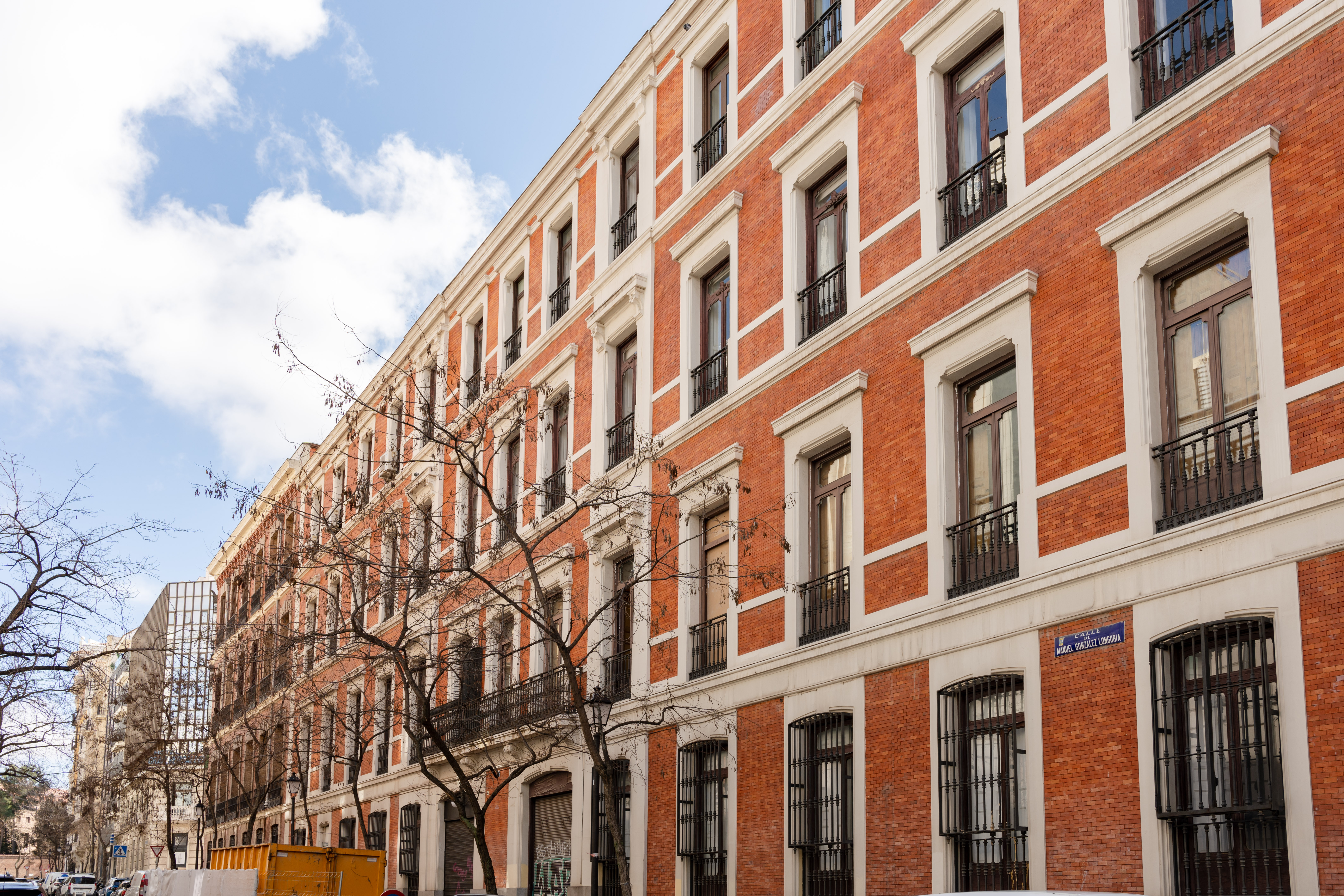
Eduardo Adaro Magro was born in 1948 in Austria, but Madrid became his home. He had studied architecture at the Royal Academy of Fine Arts and thereafter, designed many noted buildings including the main building of the Banco de España (Bank of Spain). In 1893, Carlos Ramón Jiménez y González-Núñez, who was the Viscount of Torre-Almiranta, commissioned Magro to build the Palacio Torre-Almiranta, which contains his private home.
The Viscount was ahead of his time, renting out the other apartments to Madrid’s elite. This makes the building one of the first dual-use urban housing models in the city combining a noble family’s private abode with luxury rental homes. In the first quarter of 2027, it will become home to 15 new dwellers in a luxury project developed by Persepolis Investment and marketed by Knight Frank. Touza Arquitectos and Lázaro Rosa-Violán Studio are collaborators for this historic edifice.
A rooftop terrace with a solarium, a spa with massage room and sauna, a heated indoor pool and a library bar are integrated into the project in the manner of a grand home. “They’re intimate, understated and luxurious, and furnished with custom pieces and lighting that reflect the tone of the palace; the idea was to create places for quiet enjoyment and calm rather than showpieces,” says Lázaro Rosa-Violán.


Palacio Torre-Almiranta is more than luxury apartments with hotel-like amenities; it also offers potential buyers a compelling narrative as both a home and investment. “As one of the few remaining 19th century palaces in central Madrid, it’s a true landmark. Its restoration is a cultural investment as much as a commercial one,” says a representative from Persepolis Investment. Undoubtedly, it is an attractive proposition for the global Ultra-High-Net Worth-Individual (UHNWI) looking for a property that doesn’t exist elsewhere.

Rather than the ostentatious show of wealth, such buyers value the intangible luxuries of authenticity, privacy and quality over branding. “Palacio Torre-Almiranta offers that in spades, with great spaces, thoughtful restoration and premium amenities – all in a low-density format. Prices range from just under €2 million to €8 million, depending on the unit size and layout; these residences are legacy investments,” states Julio Touza Rodriguez, whose reputed firm has completed a staggering 2,500 projects since he established Touza Arquitectos in 1974.
The largest unit on offer is the Viscount’s former quarters – now a 158 sqm four-bedroom residence featuring dual frontage over the main avenue and internal garden courtyard as well as an intricate, coffered timber ceiling, marble fireplaces and a grand foyer with a timber staircase. “The restored building is the core of the entire project,” Touza Rodriguez elaborates. “The structure reflects a neo-renaissance style with a mix of eclectic details. It is essential for us to preserve its historical value, not only to respect its architectural legacy, but also to ensure that the sense of place and uniqueness remain central to the development project,” he adds.


Palacio Torre-Almiranta is situated in Chanberí – one of Madrid’s most desirable and culturally rich areas known for its quiet charm, grand architecture and proximity to key cultural landmarks, such as the Museo Sorolla and Teatros del Canal. Touza Rodriguez highlights, “The neighbourhood balances traditional elegance with a vibrant urban lifestyle. Views from the residences include surprising inner courtyards with ornamented facades, historical facades, and open cityscapes from the rooftop, providing both privacy and connections to the heart of Madrid.”
While it was important that Touza Arquitectos preserved the building’s antiquated elevations as an emblem of collective memory, it was also crucial to update it for modern needs of the UHNWI target buyer. “The concept was to bring a 19th century palace into the 21st century without losing any of its grandeur. This meant designing layouts that enhance natural light and flow, while introducing new components like the rooftop solarium spa and pool, and landscaped courtyards,” says Touza Rodriguez.
Thus, a laborious, exacting process is being undertaken to preserve original elements such as mouldings, window frames, ceiling details, stained glass, Art Deco wrought iron balconies, façade elements like brickwork, stone carvings, a historical elevator shaft and grand carriage entrance. Fire safety, energy efficiency and accessibility standards will also be met. “One of the biggest challenges was integrating mechanical systems and lifts without disturbing the architectural fabric. Every intervention had to be reversible and sympathetic to the historic structure, as per Madrid’s heritage preservation regulations,” says Touza Rodriguez.
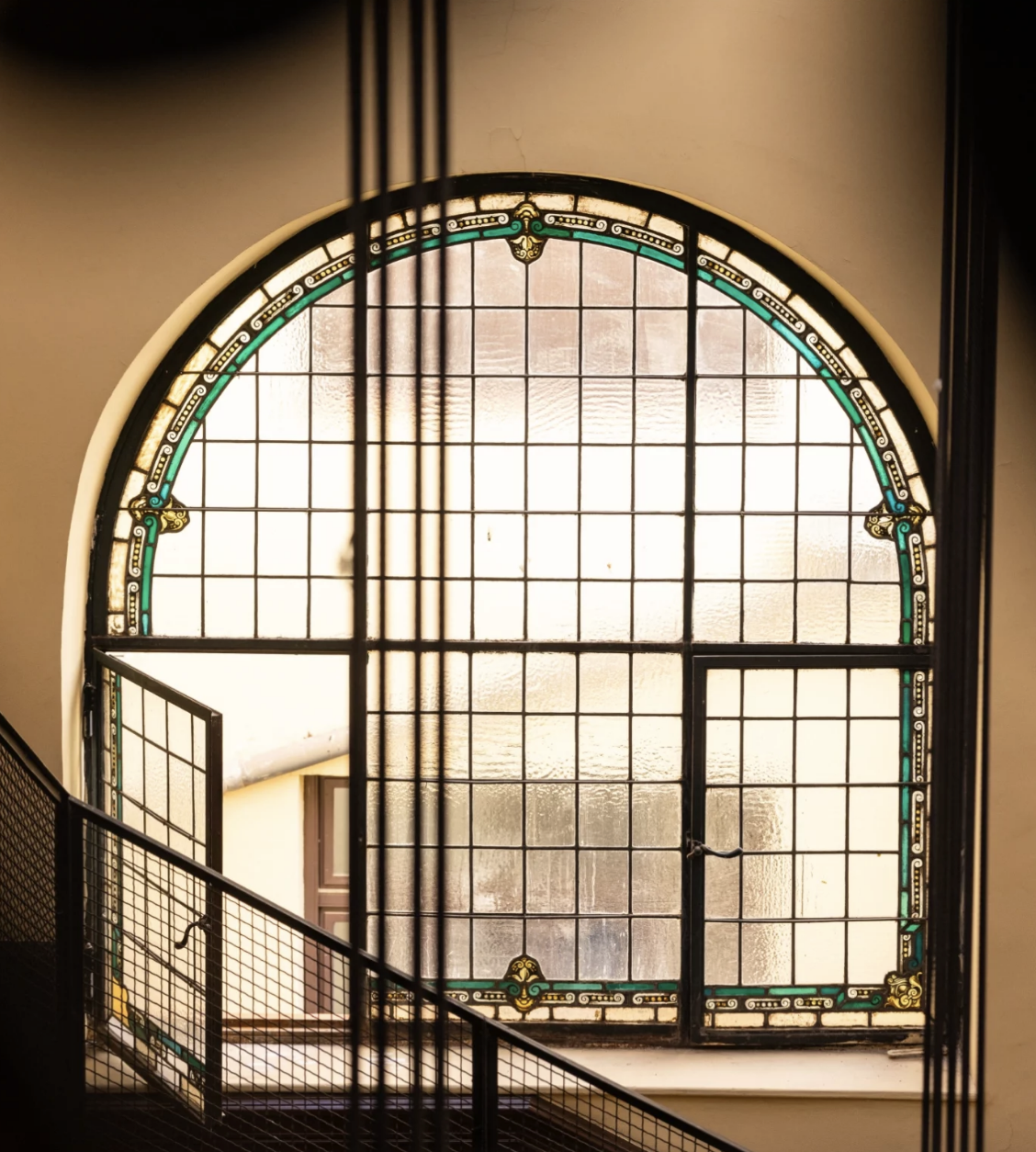
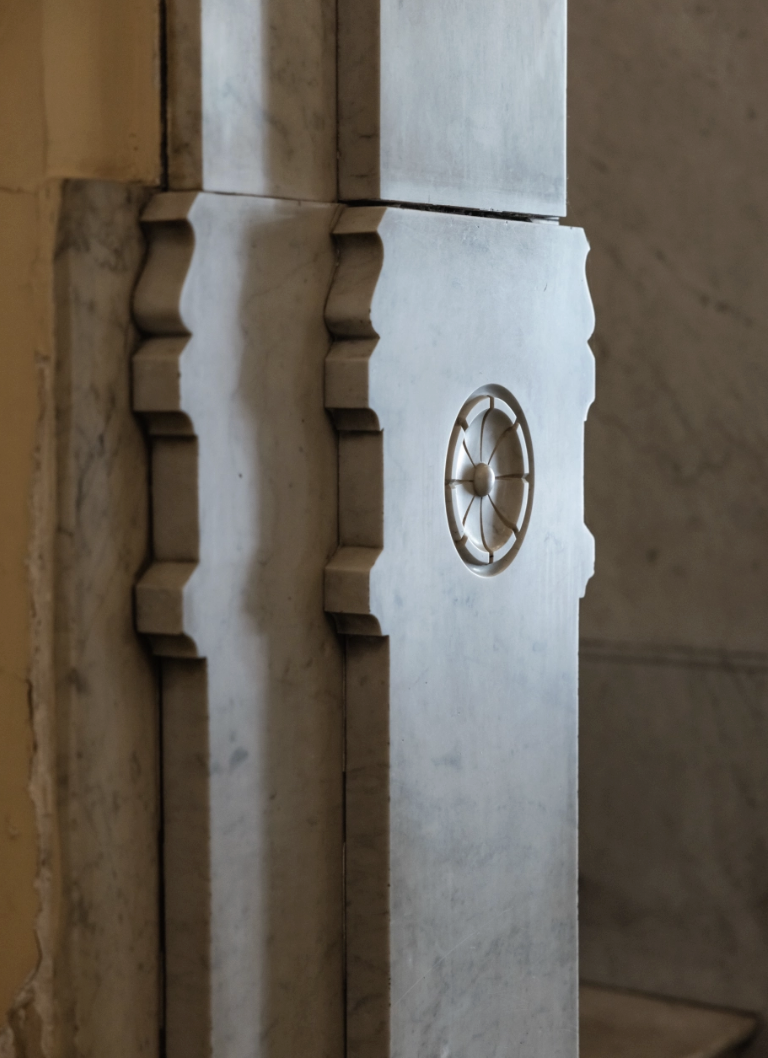
“Restoration was carried out using materials that matched the historical elements of oak, marble and hand-finished plasterwork,” Rosa-Violán shares. A refined material palette of oak veneer, white-painted wood, checkerboard marble floors and bespoke cabinetry with classical mouldings result in an “elegant but not ostentatious” ambience. “Every detail was crafted to feel intentional and authentic – more akin to a collector’s piece than a branded residence, ” states Rosa-Violán.
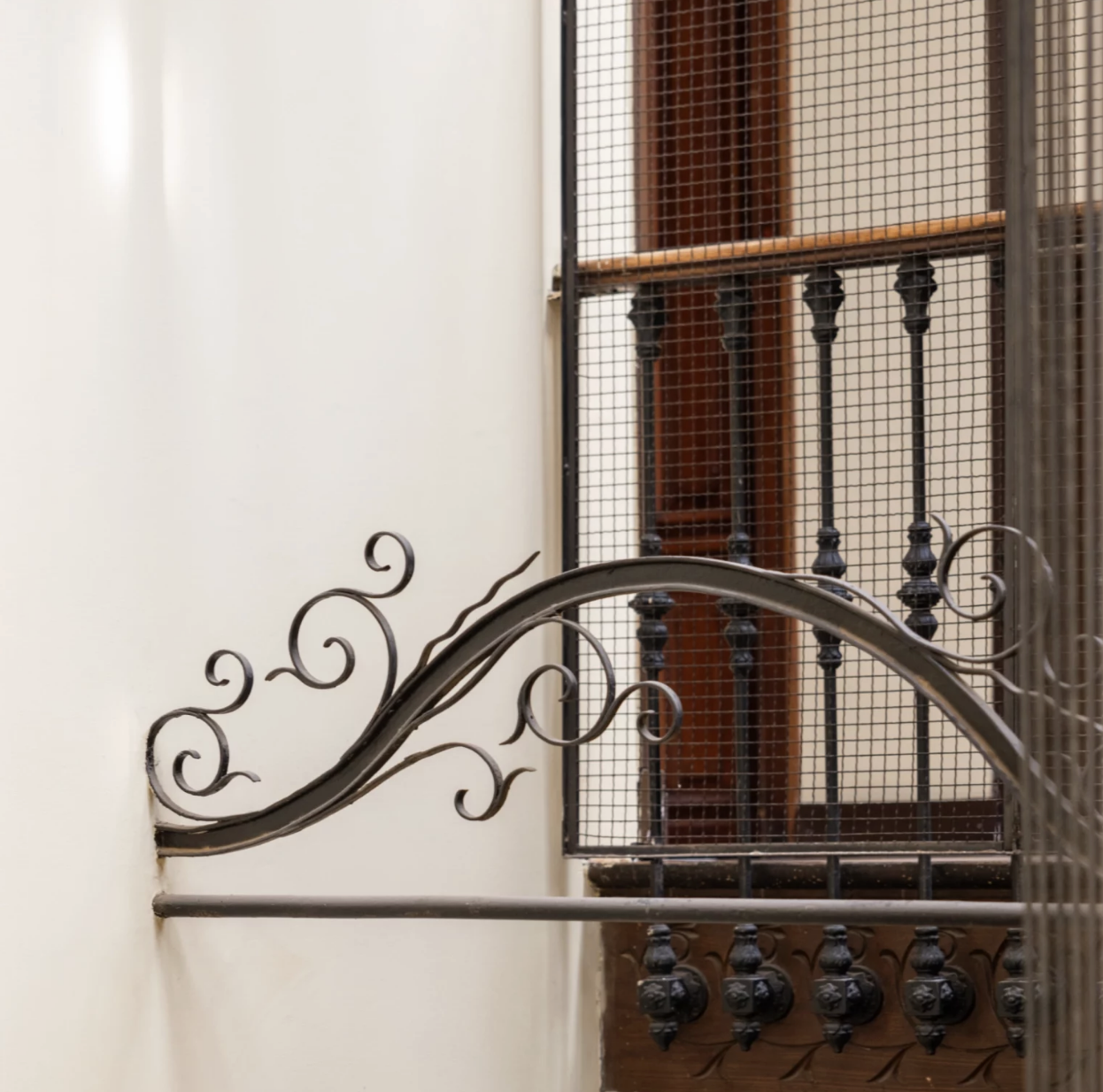
Old buildings hide many secrets, and it was no different for Palacio Torre-Almiranta. “During the early phases of restoration, we uncovered hidden cornices and wall panels that had been concealed behind later modifications. Some of the original plasterwork and timber framing were in remarkably good condition so we decided to restore rather than replace them, which added a richness and integrity we hadn’t initially anticipated,” says Rosa-Violán. Herein lies another wonderful aspect of living in a historical home – exquisite craft that cannot be replicated today and an irreplaceable sense of discovery.
Koa Super Villa: Niseko’s New Benchmark for Ultra-Luxury Alpine Living