


Next-Generation Propulsion: Electric & Hydrogen On The Horizon
What short-range electric aircraft and hydrogen concepts mean for the premium travel segment — and whether wealthy early adopters will embrace them or stick to proven turbines.
Text by Robert Stedman
Every revolution in aviation has posed the same question to its first passengers: Do you trust this? The first jetpowered airliners were met with wonder and unease. Range anxiety existed even then, and the noise was terrifying. Yet within a decade, the turbine had rendered the piston engine obsolete for all but the lightest aircraft. The question now facing the private aviation world is remarkably similar — and the answer, depending on whom you ask, is either in the pipeline or perpetually 10 years away.
Electric and hydrogen propulsion are no longer sci-fi curiosities. They are, right now, at various stages of certification, investment, and commercial deployment. But for the premium segment — for the owner-operator of a Gulfstream or a Bombardier Global, for the passenger accustomed to intercontinental range and unhesitating performance — the technology arrives with a caveat that cannot be engineered away overnight: simple physics.
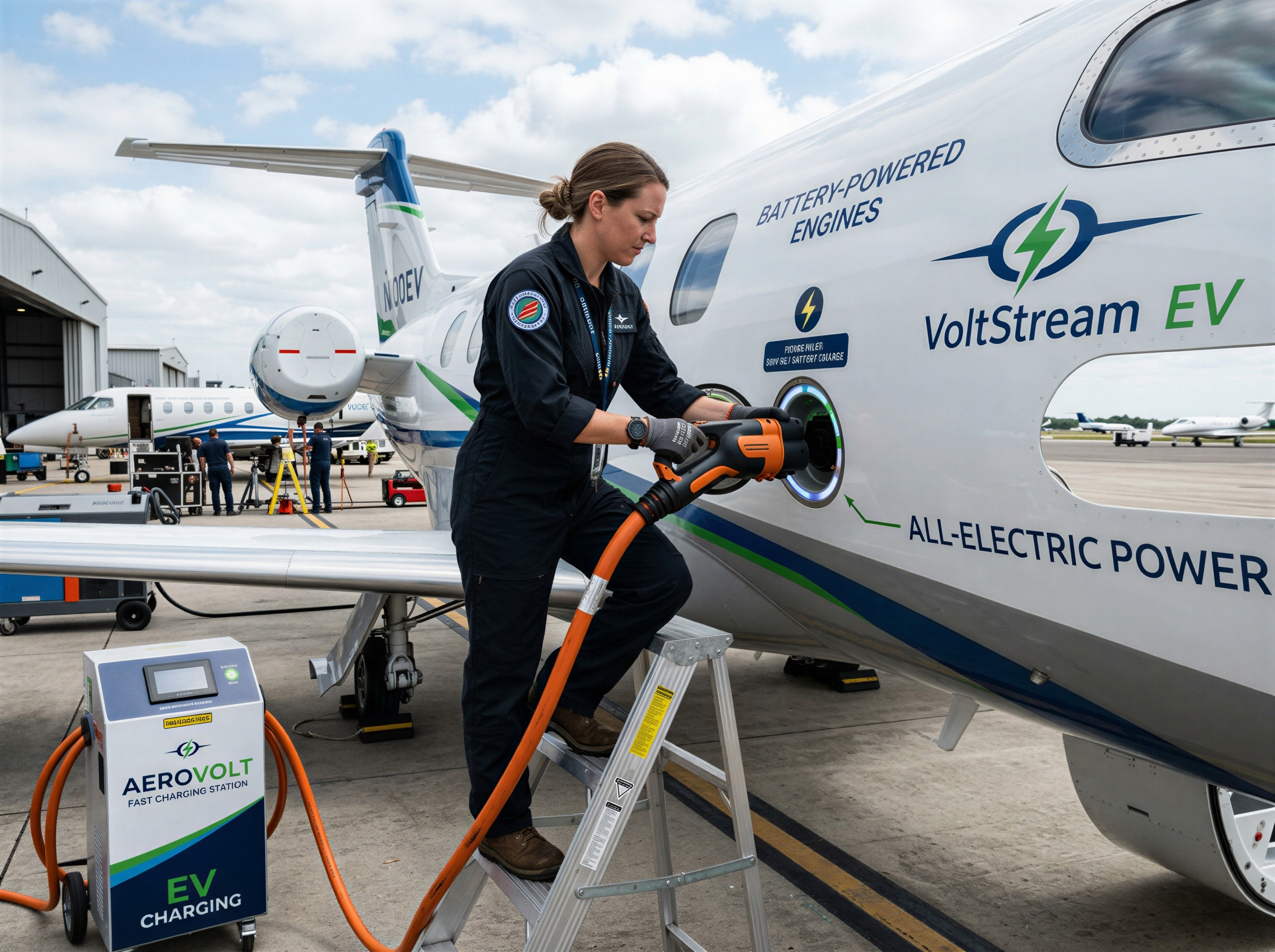
The fundamental constraint of batteryelectric flight is energy density. Today’s best lithium-ion cells store roughly 250 watt-hours per kilogram; Jet-A fuel contains around 12,000. That gap is not narrowing at a pace that rewrites the equation for large aircraft. Fully electric aviation is, for now, a regional proposition: short-range hops under 500 nautical miles, carrying eight passengers or fewer at altitudes well below those of long-range business jets.
For the Singaporean business traveller who needs to be in Jakarta before lunch and in Tokyo by evening, this is not yet realistic. It is, however, exactly the right technology for much shorter journeys — and that distinction will shape how the premium market approaches what comes next.
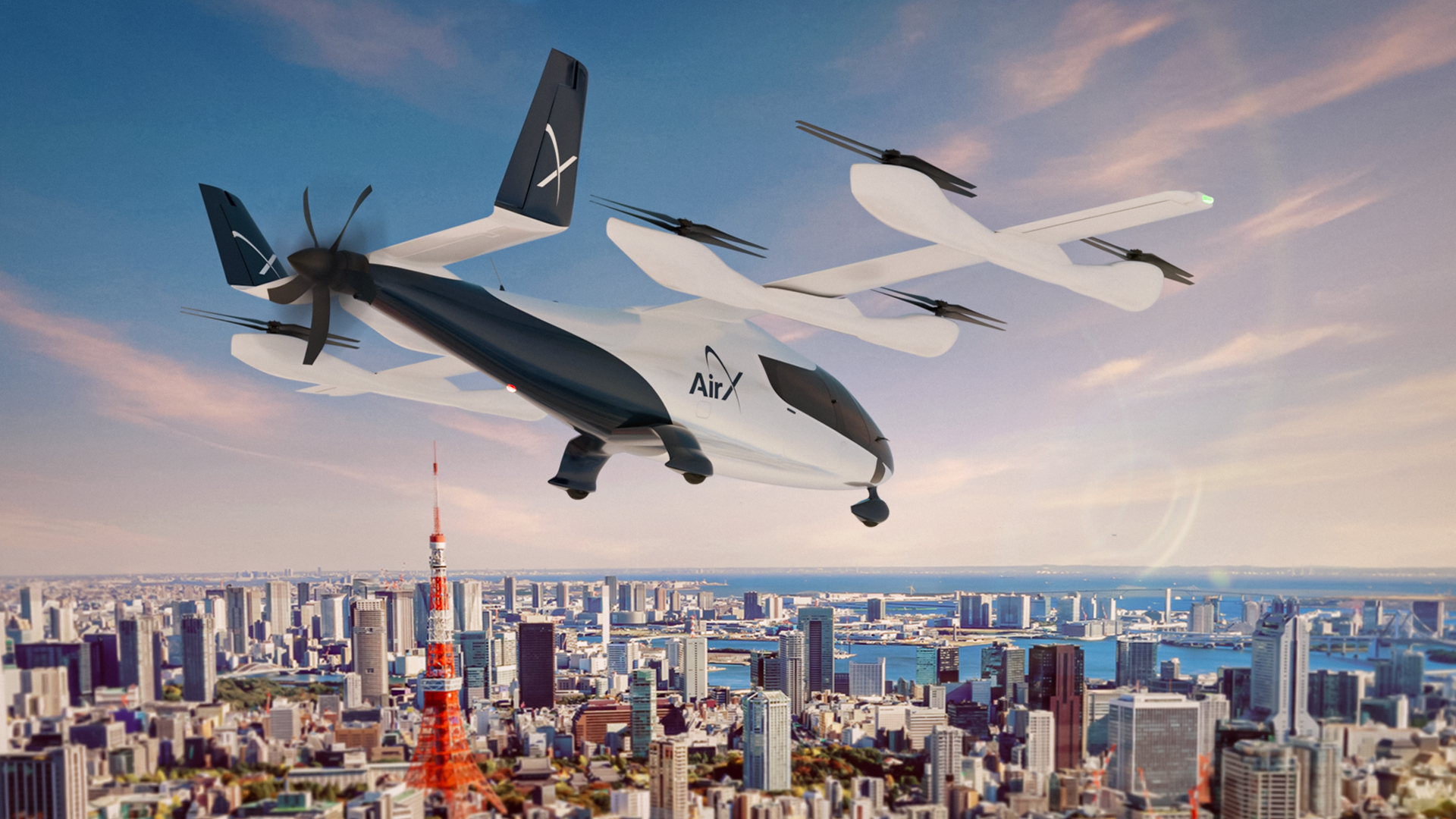
The most compelling near-term option is not a jet at all. The eVTOL — electric vertical take-off and landing aircraft — is quietly redefining the first and last miles of a private journey. Joby Aviation, the furthest along in FAA certification, has a commercial launch planned in Dubai for Q3 2026, with US service targeted shortly after. Singapore and other Asia-Pacific cities are already positioning themselves as early adopters, with infrastructure planning and regulatory sandboxes underway.
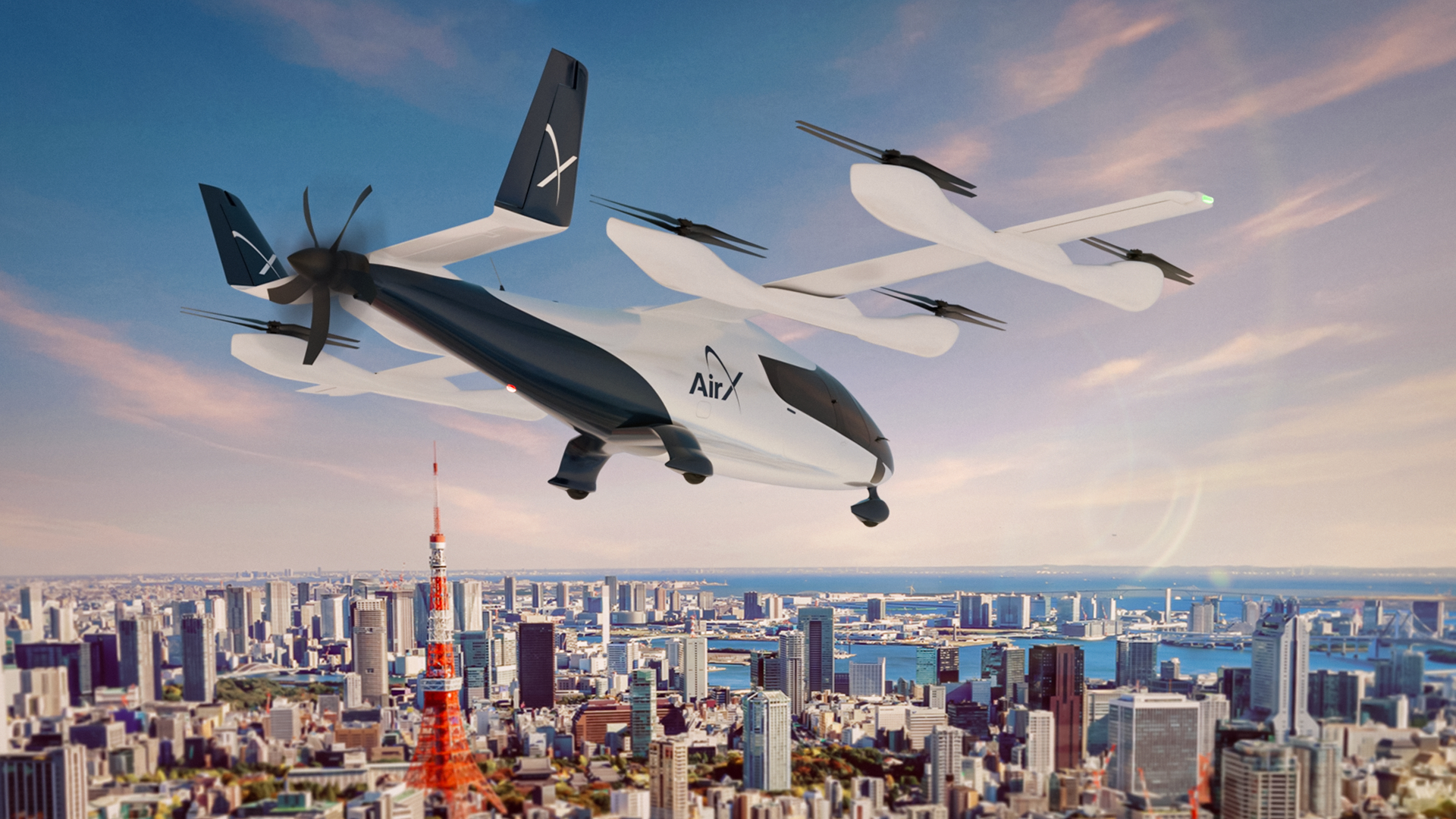
For the private aviation client, the vision is elegant: land at Seletar, step into an electric air taxi, and arrive at your Marina Bay meeting without once touching the road. The proposition is not about replacing the private jet — it is about making the experience seamless in ways ground transport never could.
For fixed-wing electric aircraft, the timeline is longer, but the ambitions are serious. French start-up Beyond Aero has become one of the most closely watched names in the sector. Its hydrogen-electric business jet, the BYA-I One, has completed its Preliminary Design Review and is targeting commercial entry in 2030. Designed to carry eight passengers over 800 nautical miles at 300 knots, it is powered by six 400 kW hydrogen fuel cells delivering a combined 2.4 megawatts and emitting only water vapour. It has already secured USD914 million in Letters of Intent for 108 aircraft. That is not a market hedging its bets. That is conviction.
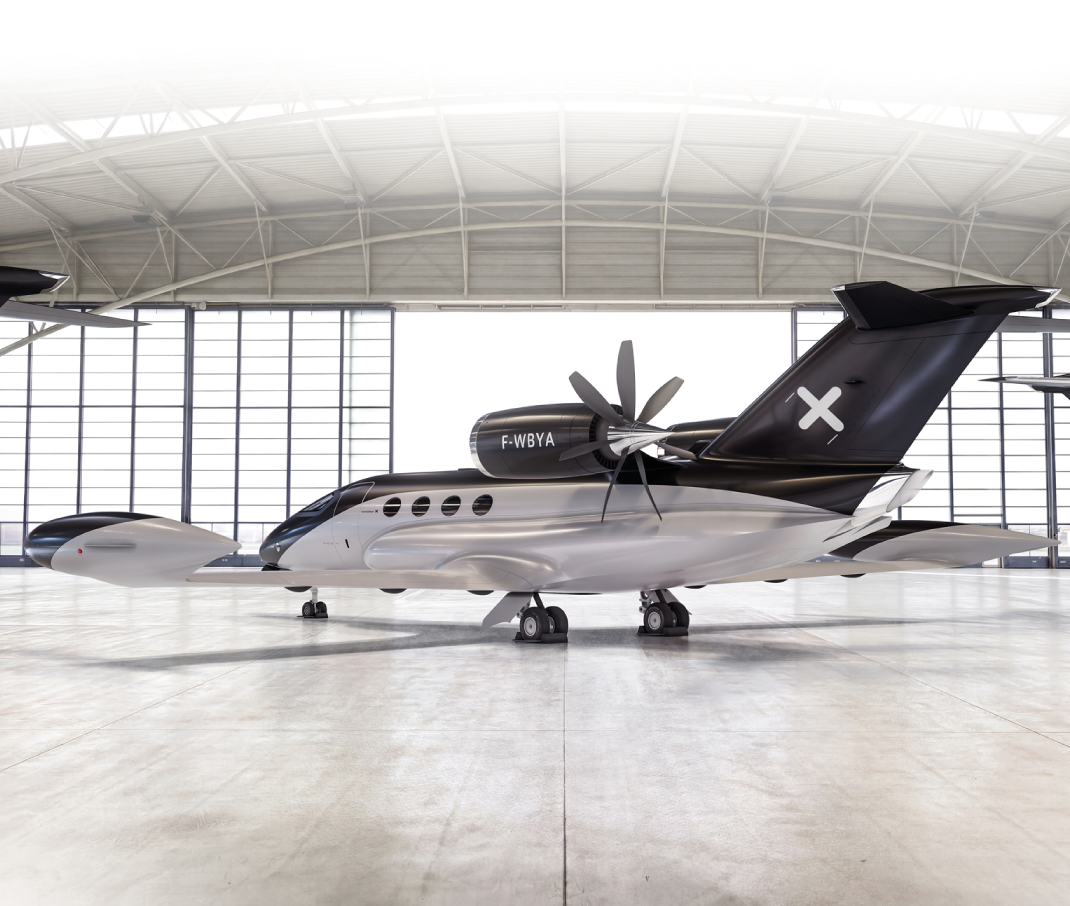
Hydrogen offers the most credible promise of bridging the gap between electric’s range limitations and the performance demands of premium travel — with roughly three times the energy density of kerosene by weight. The challenge is infrastructure. Hydrogen is not a drop-in fuel; it requires cryogenic storage at -253°C or high-pressure gaseous tanks, neither of which is available at most airports. Building a reliable supply chain requires significant investment in renewable energy and specialised refuelling networks — though producing hydrogen from fossil fuels rather defeats the purpose. For Singapore, with its sophisticated infrastructure and government appetite for aerospace investment, this is less an obstacle than a planning horizon.
Which brings us to the real question: will wealthy early adopters embrace the new, or stick with proven RollsRoyce and GE turbines that have logged millions of flight hours and have an almost unblemished safety record?
The conventional jet engine is not going anywhere soon. It, too, is undergoing revolutionary upgrades and modifications that may extend its use. But the horizon for next-generation propulsion has never looked more interesting.

Engineering Wellness At 39,000 Feet