

The Future of Flight with eVTOLs
eVTOLs are ready for take-off and change the way we travel.
By Robert Stedman
Urban skies may never be the same again. Electric vertical take-off and landing aircraft, or eVTOLs, are poised to take off, literally. They represent a significant leap in urban transport since the motorcar revolutionised road travel over a century ago. These new aircraft aim to bypass traditional delivery hubs and navigate congested areas with unprecedented efficiency, potentially making the morning commute a short flight.
A New Dawn in Aviation
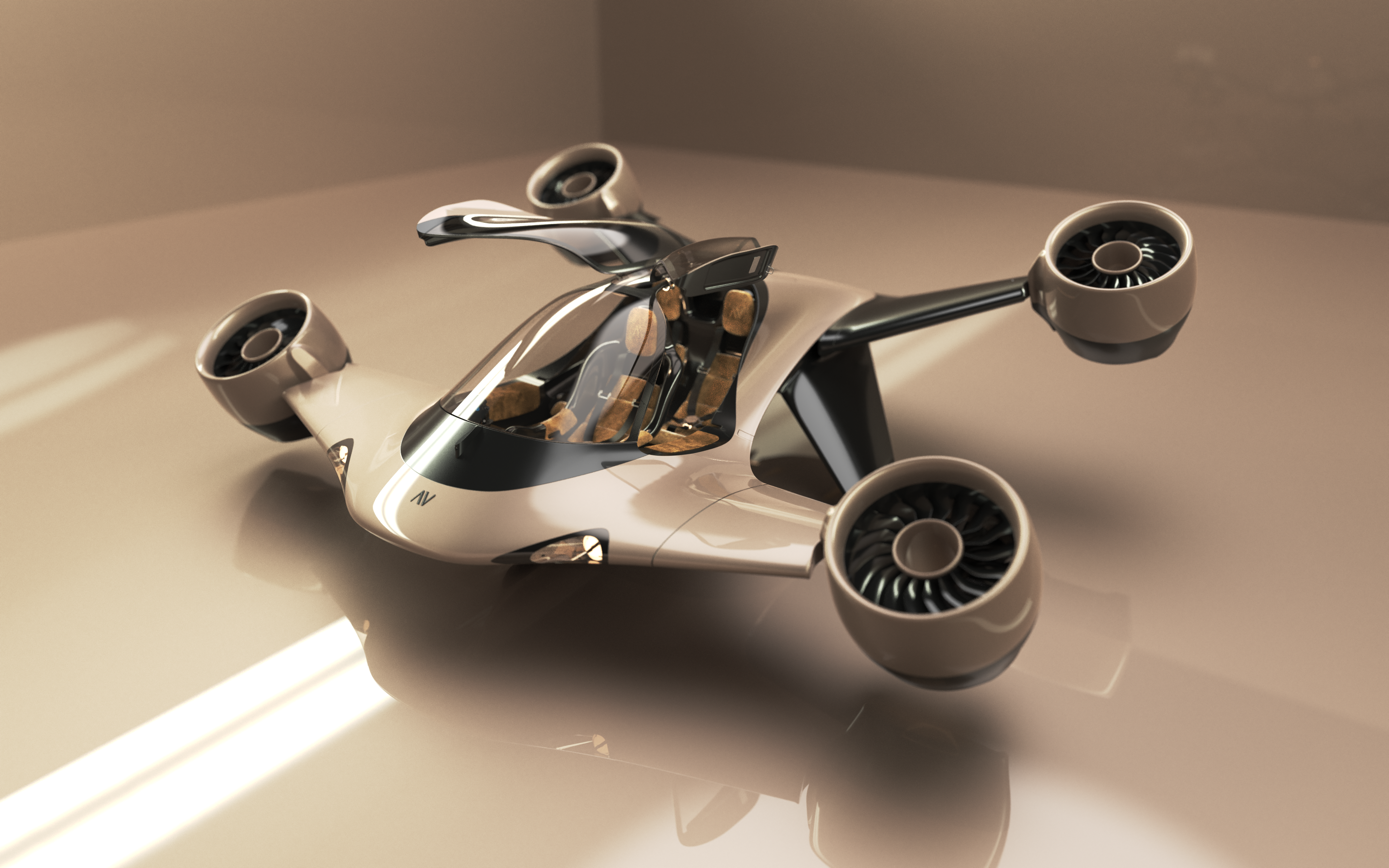
The eVTOL revolution has gained considerable momentum, especially after regulatory breakthroughs that allowed for commercialisation. The technology combines electric propulsion, advanced materials, and autonomous flight systems, producing aircraft that can take off and land vertically like helicopters while operating with the quiet efficiency of electric vehicles.
Unlike traditional aircraft, which need long runways and centralised airports, eVTOLs can operate from small “vertiports” in cities. This flexibility fundamentally rethinks how people and goods move through urban areas, possibly reducing traffic jams while creating entirely new sky routes.
Leading the Charge: AltoVolo’s Bold Vision
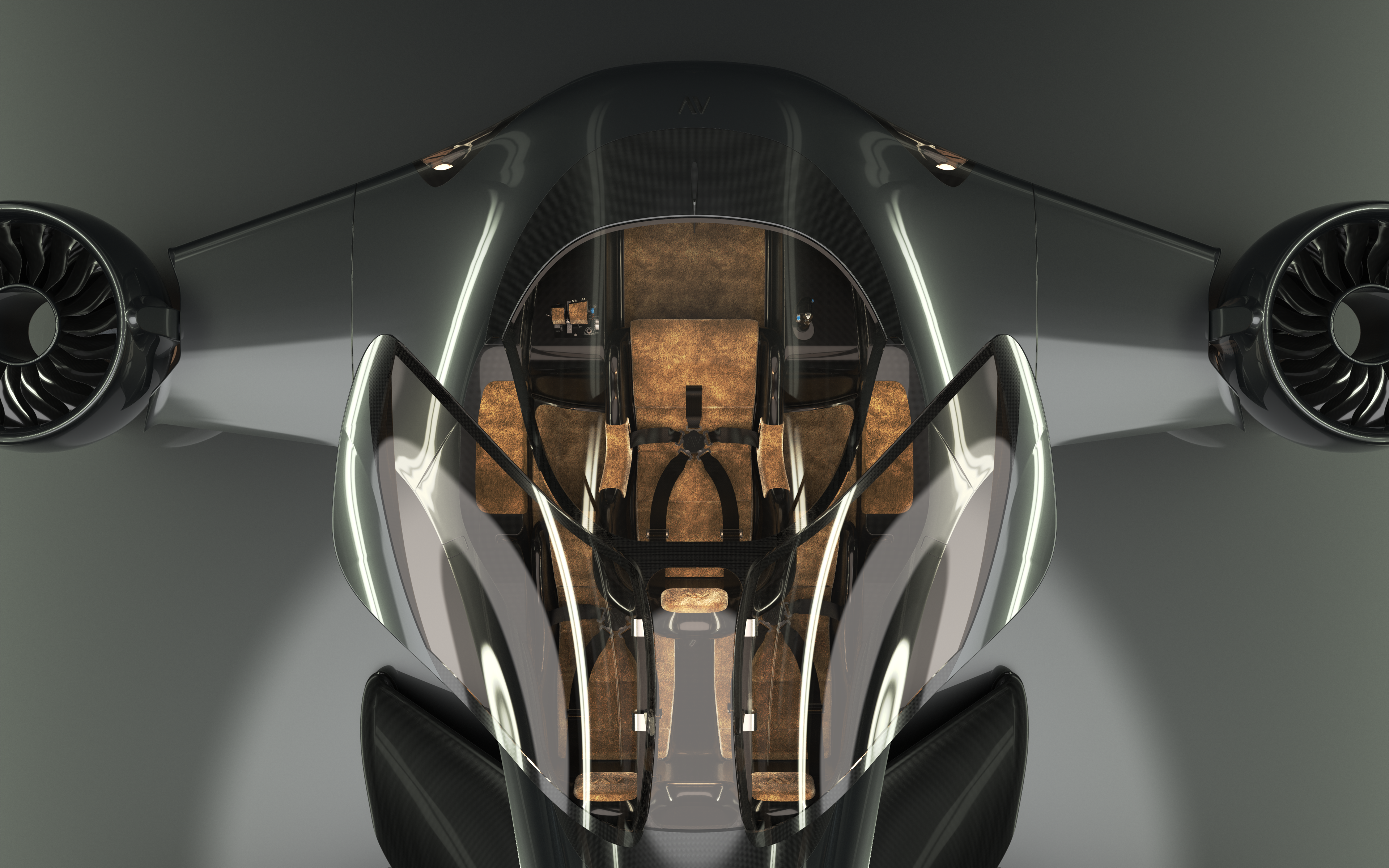
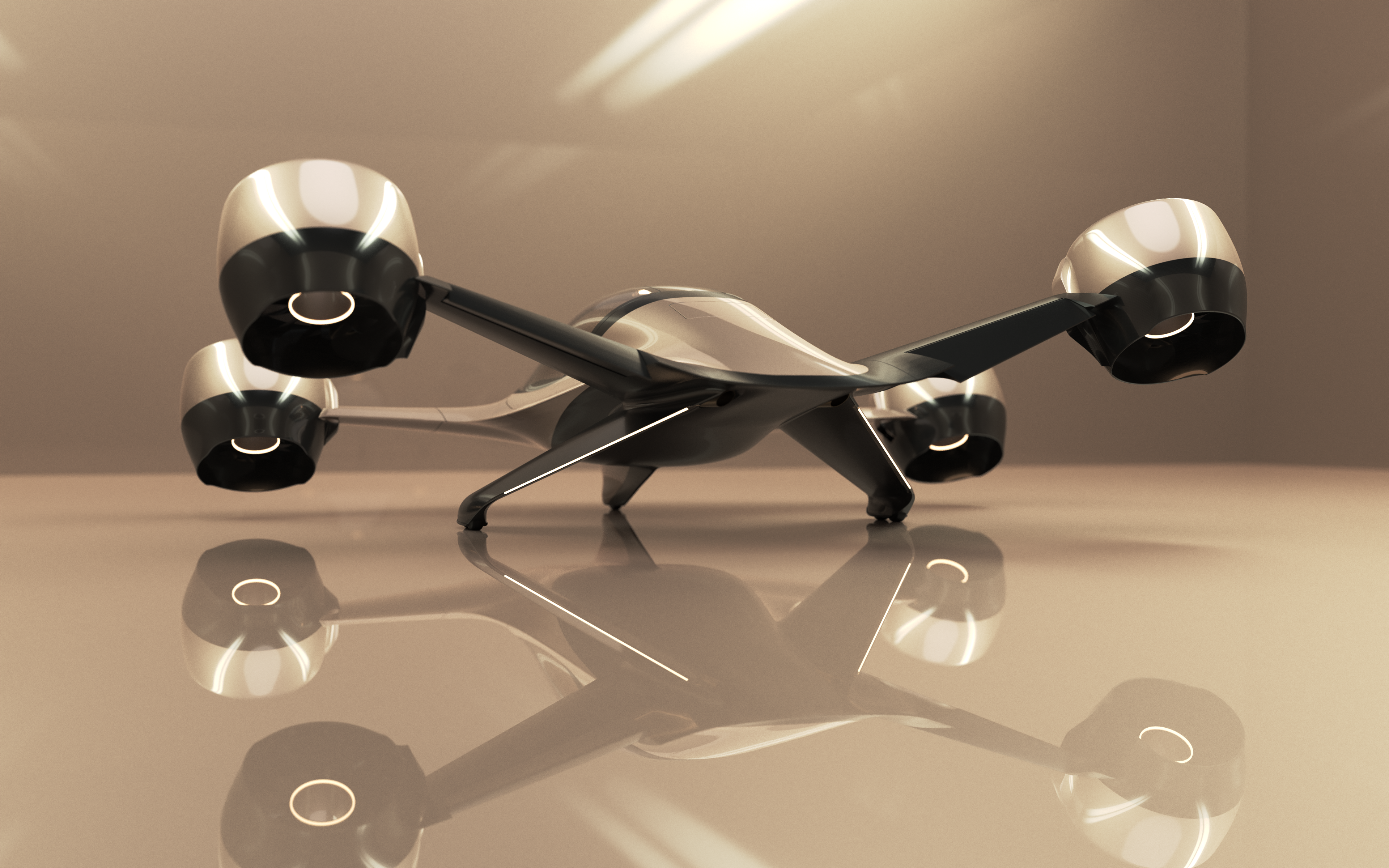
Among the companies leading this transformation, AltoVolo stands out with its Sigma aircraft. The company’s approach differs markedly from competitors, opting for a hybrid-electric design that delivers exceptional range and performance capabilities.
The AltoVolo Sigma challenges traditional ideas about electric aircraft limits. With an intended range of 500 miles and cruise speeds reaching up to 220 mph, the three-passenger aircraft aims to bridge the gap between personal flying and commercial transport. The Sigma is designed to operate with 80% less noise than conventional helicopters, addressing one of the main concerns about eVTOL air travel.
What makes AltoVolo’s approach particularly intriguing is its focus on personal flight instead of the ride-sharing model employed by many other eVTOL firms. This perspective could open up markets among private pilots and aviation enthusiasts who have long been waiting for more accessible and eco-friendly alternatives to traditional general aviation aircraft.
Embraer’s Strategic Evolution
While newer companies like AltoVolo make headlines with bold designs, established aviation giants, like Embraer, are also asserting their presence in the eVTOL future. Embraer, through its spin-off Eve Air Mobility, has adopted a more cautious approach, drawing on decades of aircraft manufacturing experience to develop one of the most advanced eVTOL programmes in the industry.
Eve’s aircraft exemplifies the careful evolution of proven aviation principles applied to eVTOL flight. The company has focused extensively on the passenger experience, recognising that widespread adoption will depend not only on technical capability but also on creating comfortable, familiar environments that ease the transition from ground-based transportation.
This focus on passenger comfort was demonstrated at the 2025 Aircraft Interiors Expo in Hamburg, where Eve collaborated with Recaro Aircraft Seating to showcase specialised seating solutions designed explicitly for eVTOL operations. The seats utilise lightweight materials, such as high-grade aluminium, and incorporate features that address the unique challenges of vertical flight operations.
Interior Innovation and Passenger Experience
The Aircraft Interiors Expo has emerged as a key platform for eVTOL advancements, showcasing the industry’s evolution from focusing solely on engineering to considering the whole passenger experience. The 2025 event demonstrated that interior design aspects are increasingly vital to eVTOL development, as companies recognise that passenger comfort and safety will ultimately influence market acceptance.
The evolution of eVTOL interiors presents a fascinating design challenge. Unlike traditional aircraft interiors designed for horizontal flight, eVTOL cabins must accommodate the unique dynamics of vertical take-off and landing while ensuring comfort during both vertical and horizontal flight. This has led to innovative approaches in seating design, noise management, and psychological comfort features that help passengers adapt to this new form of transportation.
Advanced materials and haptic technologies are being integrated to create sophisticated cabin environments. These developments reflect a growing understanding that urban air mobility success depends as much on passenger acceptance as on technical performance.
Regulatory Tailwinds
The regulatory landscape has undergone significant changes to support eVTOL growth. Recent policy measures have focused on simplifying certification processes and establishing frameworks for urban air mobility operations. This regulatory support has been crucial in transforming eVTOL technology from experimental ideas into commercial reality.
The focus on removing regulatory hurdles while maintaining safety standards demonstrates a delicate balance that aviation authorities worldwide are carefully managing, encouraging innovation while ensuring new aircraft meet strict safety standards.
The Sky’s the Limit
As eVTOL technology advances, its impact extends far beyond urban transportation. These aircraft could transform emergency medical services, enable access to remote areas, and establish entirely new sectors of commerce and logistics. The quiet, efficient operation of eVTOLs creates opportunities for use in noise-sensitive environments where traditional helicopters would be unsuitable.
The convergence of regulatory backing, technological advancements, and increasing investment indicates that the eVTOL revolution is progressing rapidly. As companies like AltoVolo push performance boundaries and established firms like Embraer utilise their manufacturing expertise, the idea of personal flight is finally becoming real. The skies above our cities may never look the same again.

AERO Asia 2025: Essential International Hub for General Aviation And Low-altitude Expansion