

Engineering Wellness At 39,000 Feet
Advanced air systems, humidity control and circadian lighting are transforming the future of long-haul flying into an experience designed to help travellers land refreshed.
Text by Robert Stedman

Sarah Chen settled into her business-class seat for the 17-hour flight from Singapore to New York, bracing for the familiar ordeal: dry eyes, swollen ankles, awkward constipation, and the inevitable jet lag that would trouble her for days. Yet as the cabin lights shifted to a soft amber glow, she noticed the air felt unexpectedly fresh. This time, she realised this journey might be different.
Welcome to a new era of aviation wellness technology, where flying is no longer just about travelling from point A to point B, but arriving healthy, refreshed, and ready for the day ahead.
Breathing Easy: The Air Quality Revolution
Since the early days of commercial aviation, passengers have complained about stale cabin air, recirculated endlessly through cramped fuselages. However, today’s advanced air purification systems are changing that. Airlines are installing HEPA filters capable of capturing 99.97% of airborne particles, including viruses, bacteria, and allergens. But the innovation doesn’t stop there.
Some carriers now use ultraviolet germicidal irradiation systems that actively eliminate pathogens as air passes through the ventilation system. Others have adopted bipolar ionisation technology, which releases charged ions that bind to contaminants and render them inactive in real time. The result? Cabin air that’s often cleaner than what you breathe in most offices or homes.
Light That Heals: Circadian Rhythm Management
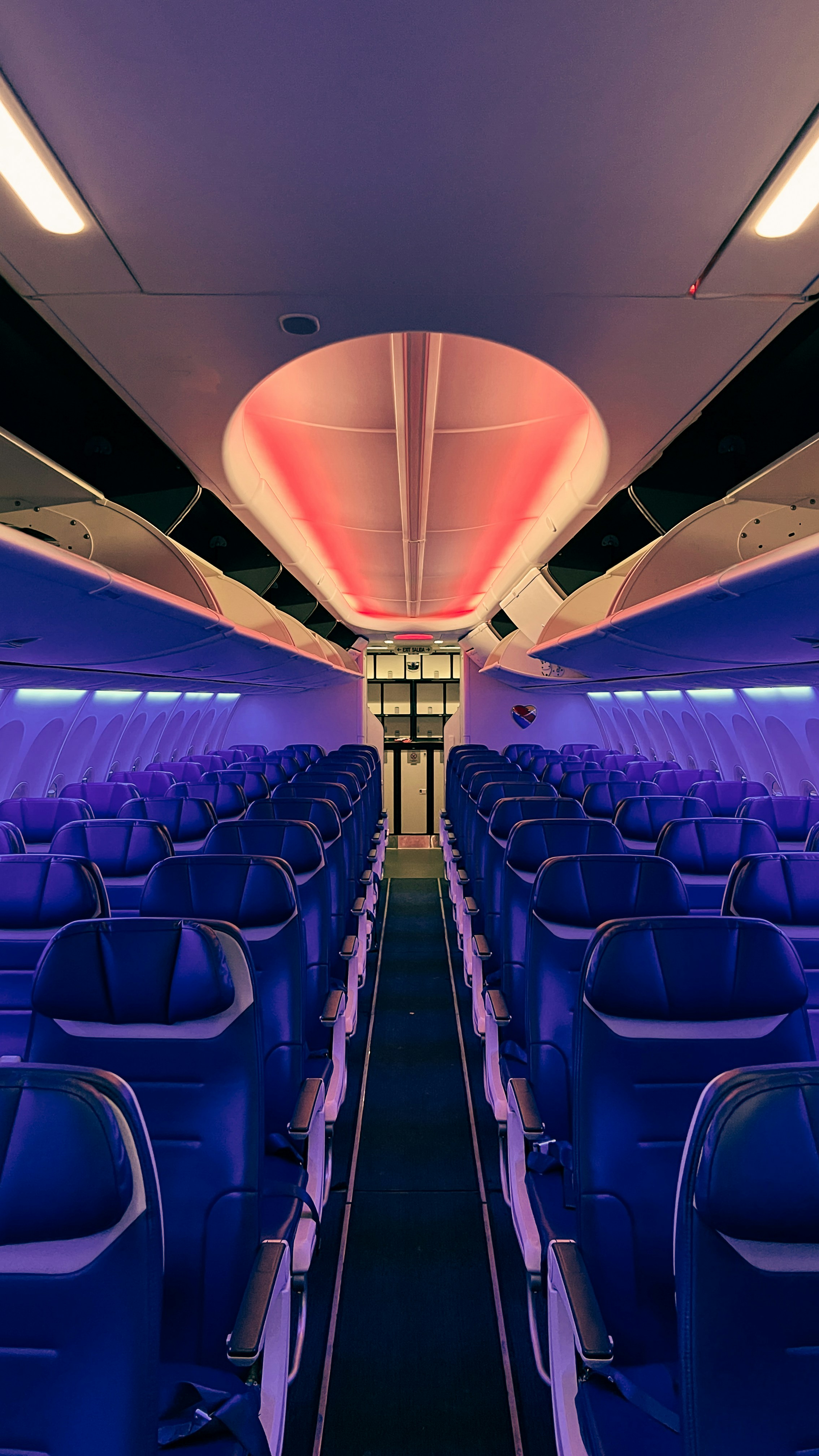
Perhaps the most revolutionary wellness technology soaring through our skies is dynamic circadian lighting. These advanced LED systems do far more than illuminate the cabin; they actively combat jet lag by mimicking natural daylight cycles and helping passengers adjust to their destination time zone before landing.
On long-haul routes, the cabin may begin with bright, blue-enriched lighting that mimics midday sun, helping passengers stay alert. As the flight progresses, the system gradually shifts through sunset colours—warm oranges and reds— before settling into dim, amber tones that promote melatonin production and sleep. Prior to landing, brightness gradually increases again, preparing the body for local time at the destination.
“Light is the major environmental time cue that resets the circadian clock in our brains each day, which is easily thrown off when travelling,” explains Steven Lockley, associate professor of medicine at Harvard Medical School.
The Comfort Zone: Mastering Humidity
Anyone who has flown long-haul knows the parched sensation of cabin air. Traditional aircraft maintain humidity levels around 5-10%. New humidity control systems are transforming this situation. The latest aircraft, such as the Boeing 787 and Airbus A350, feature advanced humidity systems that can sustain levels up to 25%, a significant improvement. The benefits go beyond comfort. Proper humidity levels help protect the mucous membranes, which are the body’s first line of defence against airborne pathogens. This increased moisture, made possible by the new jet’s corrosion-resistant composite fuselage, reduces issues with skin and breathing. Besides flying higher, the newer composite aircraft fuselages also enable cabin pressure to be maintained at lower altitudes, improving passenger oxygen saturation.
Peter Landquist, vice president of sales and marketing at CTT Systems, a leader in aircraft humidification, highlights the importance: “The well-being era, debuting with new-generation widebody aircraft, has made great strides in lowering cabin altitude, generating draught-free and fresher air, multiple temperature zones and advanced mood lighting to counter jet lag. The last frontier to significantly improve well-being is a noticeable increase in humidity.”
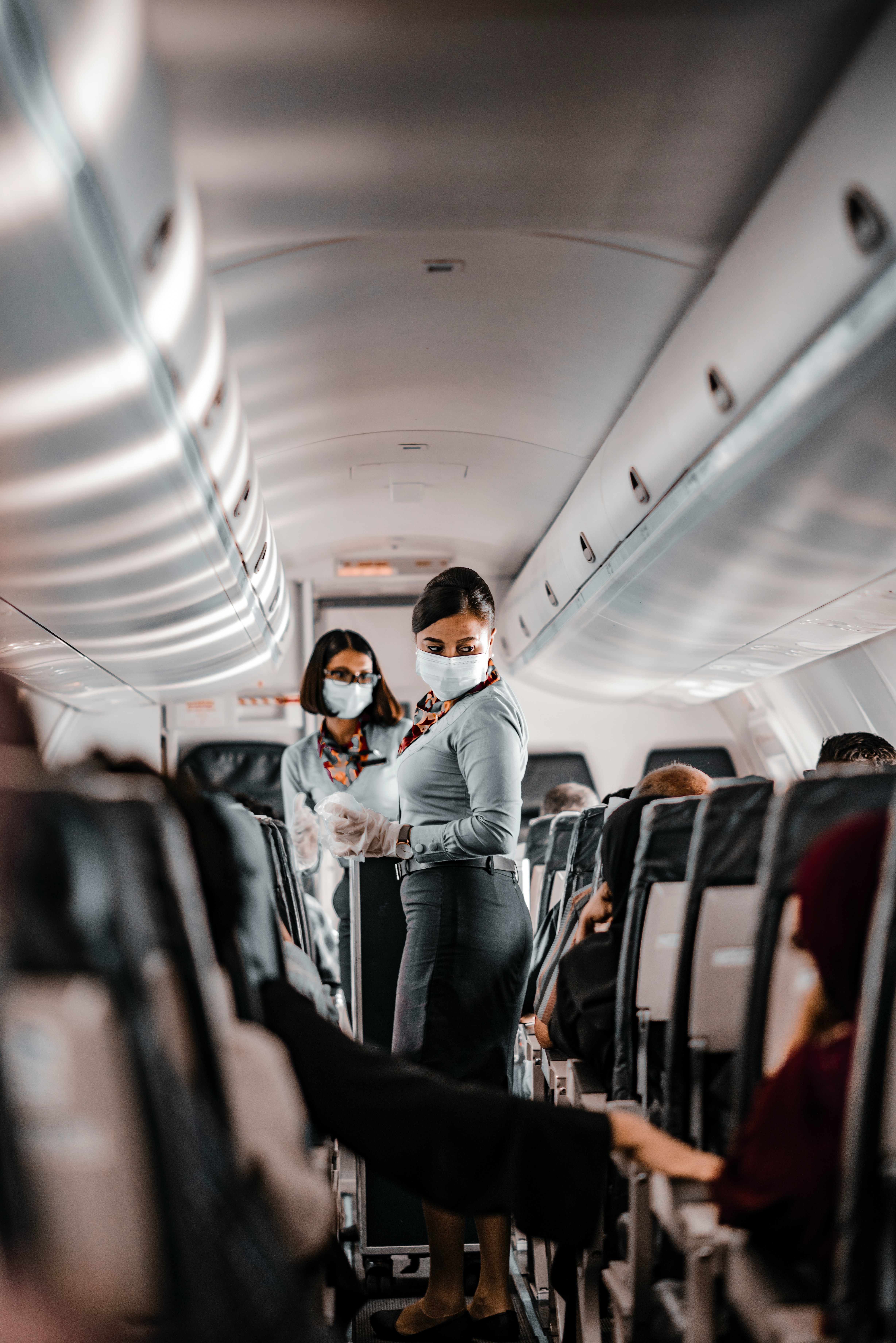
Your Health, Monitored: The Next Frontier
The most advanced aspect of aviation wellness technology might be in-cabin health monitoring. Although still in early development, several airlines and aircraft manufacturers are testing systems that could transform how we consider passenger wellbeing.
Leading the initiative has been Qantas with its Project Sunrise research flights. In 2019, the airline carried out three pioneering ultra-long-haul test flights from New York and London to Sydney, accommodating up to 40 passengers equipped with wearable monitoring devices. Researchers from the University of Sydney’s Charles Perkins Centre monitored sleep patterns, food and drink intake, lighting exposure, physical activity, and entertainment choices to evaluate their effects on health and body clocks.
The initial findings indicated that well-timed interventions—from lighting schedules to meal timing—could notably reduce jet lag symptoms. These insights are now guiding the development of Qantas’s new A350 aircraft, which will include dedicated “Wellbeing Zones” where passengers can follow guided stretching exercises on screens and access healthy refreshments.
Prototype seats with biometric sensors can track heart rate, breathing patterns, and blood oxygen levels. If a passenger exhibits signs of distress—such as early signs of deep vein thrombosis or a cardiac event—the system can discreetly alert flight attendants.
The Flight Ahead
As these technologies advance and become more common, flying could shift from a test of endurance to an opportunity for wellness. Imagine arriving at your destination feeling better than when you boarded, with your body already adjusted to the new time zone and your immune system supported rather than weakened.
The aviation industry is investing billions in these innovations, recognising that passenger wellbeing isn’t just a luxury—it’s a competitive necessity. The future of flying isn’t merely faster or more luxurious. It will also be significantly healthier.

Next-Generation Propulsion: Electric & Hydrogen On The Horizon