


The Ritz-Carlton Maldives, Fari Islands Safeguards The Deep Blue
The Ritz-Carlton Maldives, Fari Islands: A future-proofing paradise safeguarding ocean and earth.
Text by Amy Van
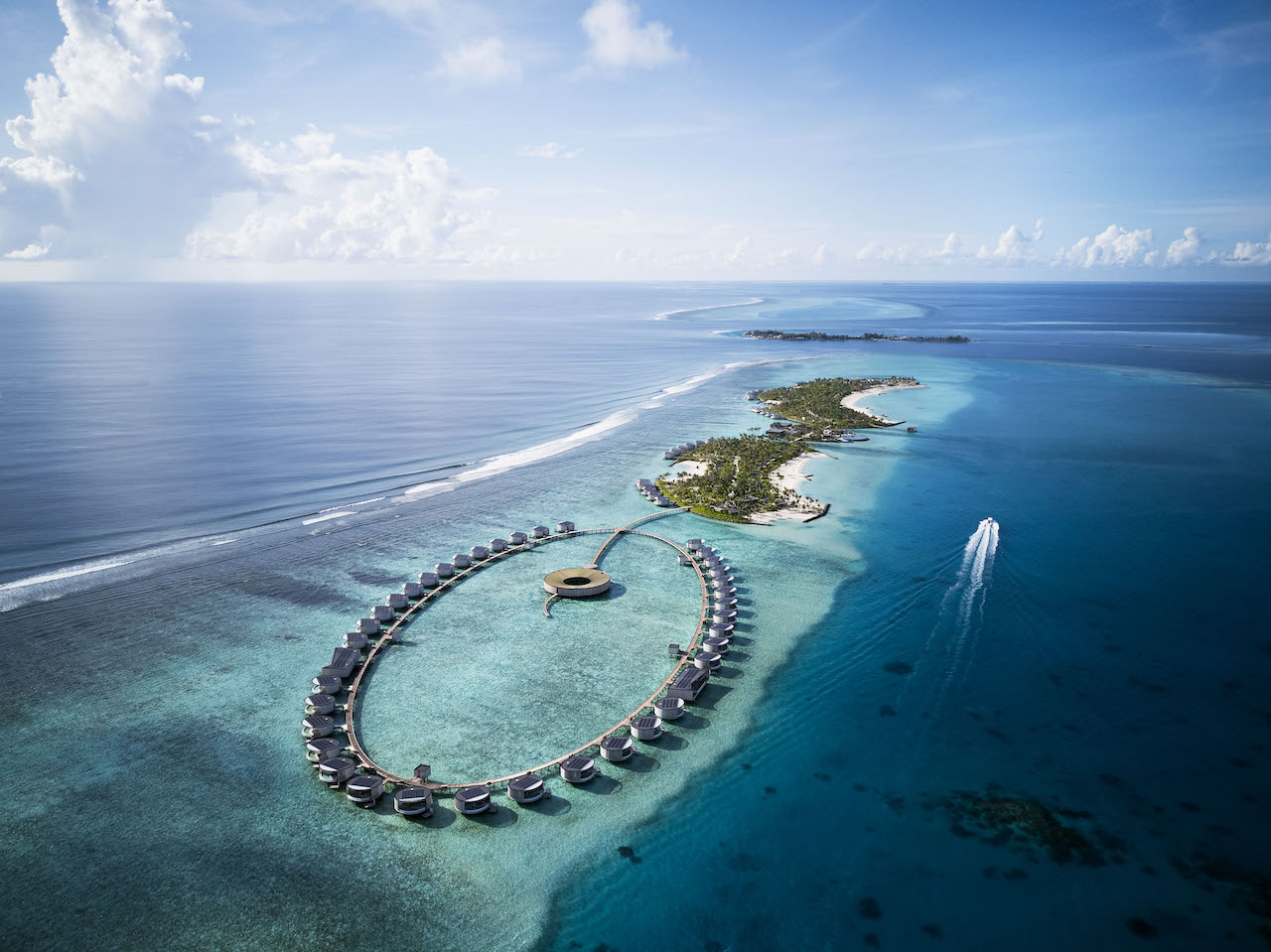
In the Maldives, the ocean’s sparkling shades of blue change from dawn to dusk, slipping from aquamarine to turquoise, then deepening into shades reminiscent of paraiba tourmaline and deep sapphire gems. The effect is almost restorative by design: white sand reflects sunlight back into the water, amplifying the blue spectrum, while coral reefs scatter the light to create that otherworldly glow.
It’s a beauty worth safeguarding, and at The Ritz-Carlton Maldives, Fari Islands, preservation of the picture-perfect blues goes hand in hand with hospitality. Sustainability isn’t a philosophy here; it is embedded in the resort’s architecture, daily rituals, and guest experiences.
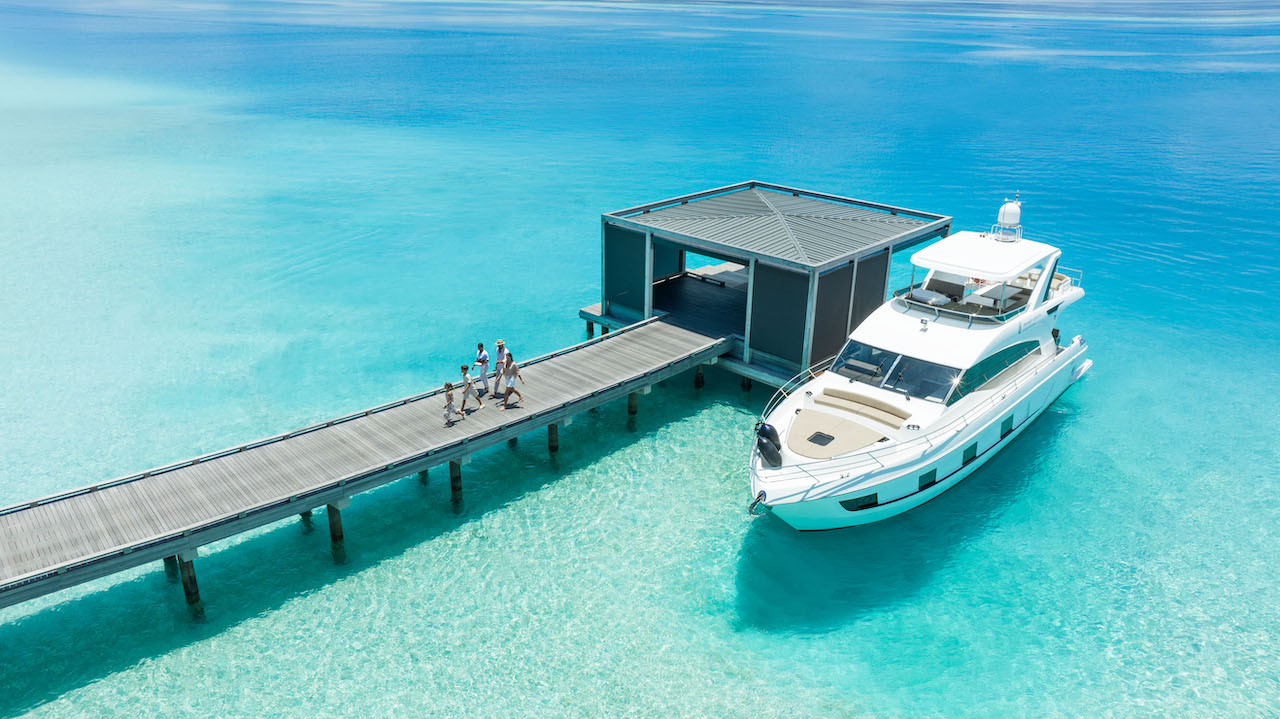
The resort is also an innovation hub for marine conservation and education in the Indian Ocean. Under the stewardship of its naturalist team, more than 1,000 guests participated in enhanced environmental programmes in 2025. Some highlights include a coral adoption initiative establishing a new coral sanctuary, and ‘Ocean Discovery through VR’, a virtual-reality underwater experience to explore and learn about reef life from a new perspective.
One of the resort’s most pioneering efforts is its ‘Eye in the Sky’ ocean-plastics research initiative, the first UAV-based plastics detection programme in the Maldives. It was originally launched by Dr. Melissa Duncan-Schiele, an experienced drone engineer and marine scientist.
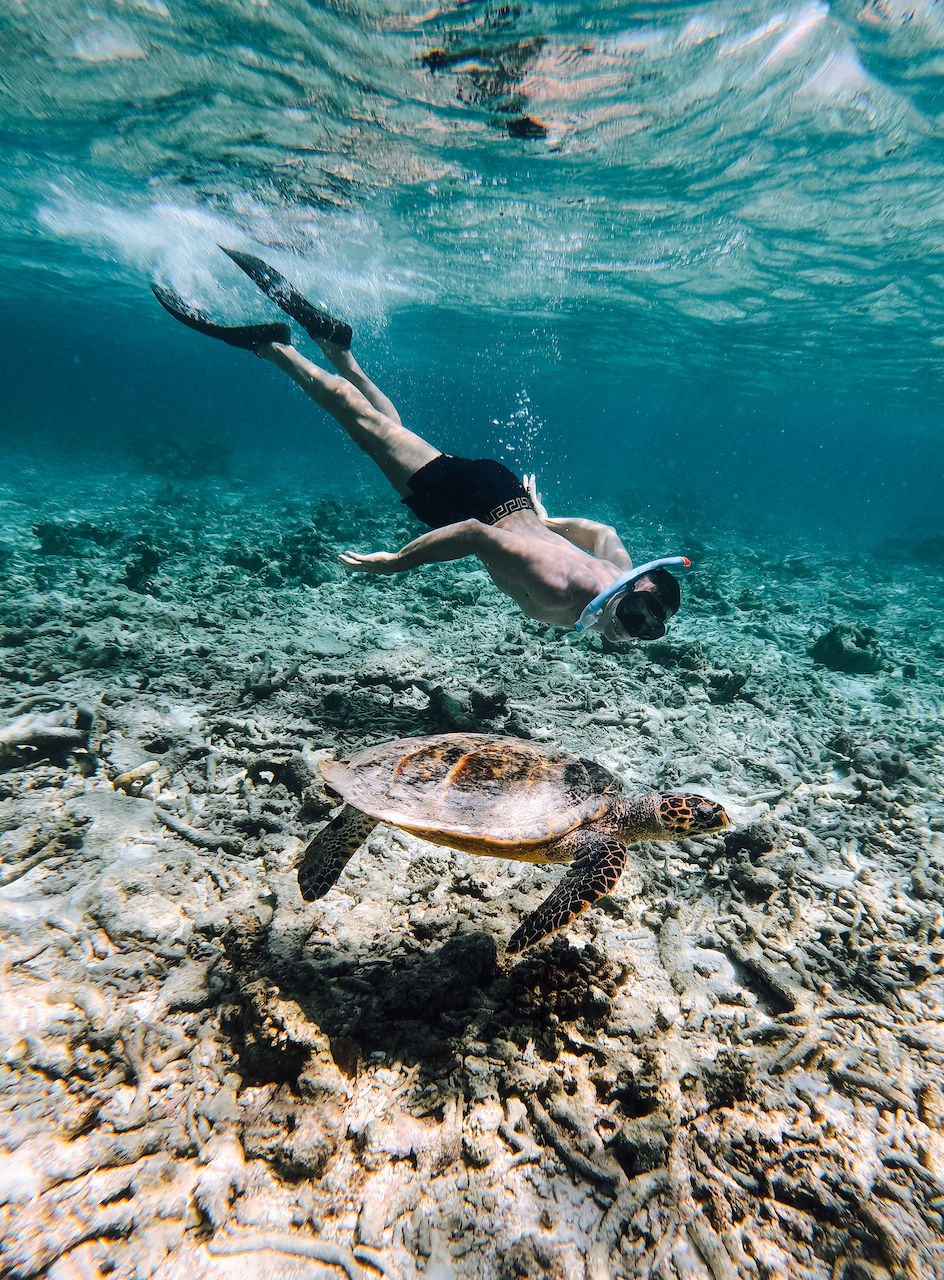
Led by the resort’s naturalist team and a progressive research community, the project tracks where ocean plastics accumulate and how they travel with wind and currents, laying the groundwork for a nationally replicable monitoring methodology.
Since opening in 2021, the resort has conducted 902 drone flights, including 84 this year alone, logging more than 21 hours of aerial survey time. Over 1,840 kg of ghost nets — lost or abandoned fishing gear — have been removed to date, with 450 kg collected this year.
Not only used for detecting marine debris, the drones also capture wildlife sightings, patterns and behaviours – recording more than 17 marine species in 2025, from blue whales and orcas to ornate eagle rays, guitarfish and blacktip reef sharks.
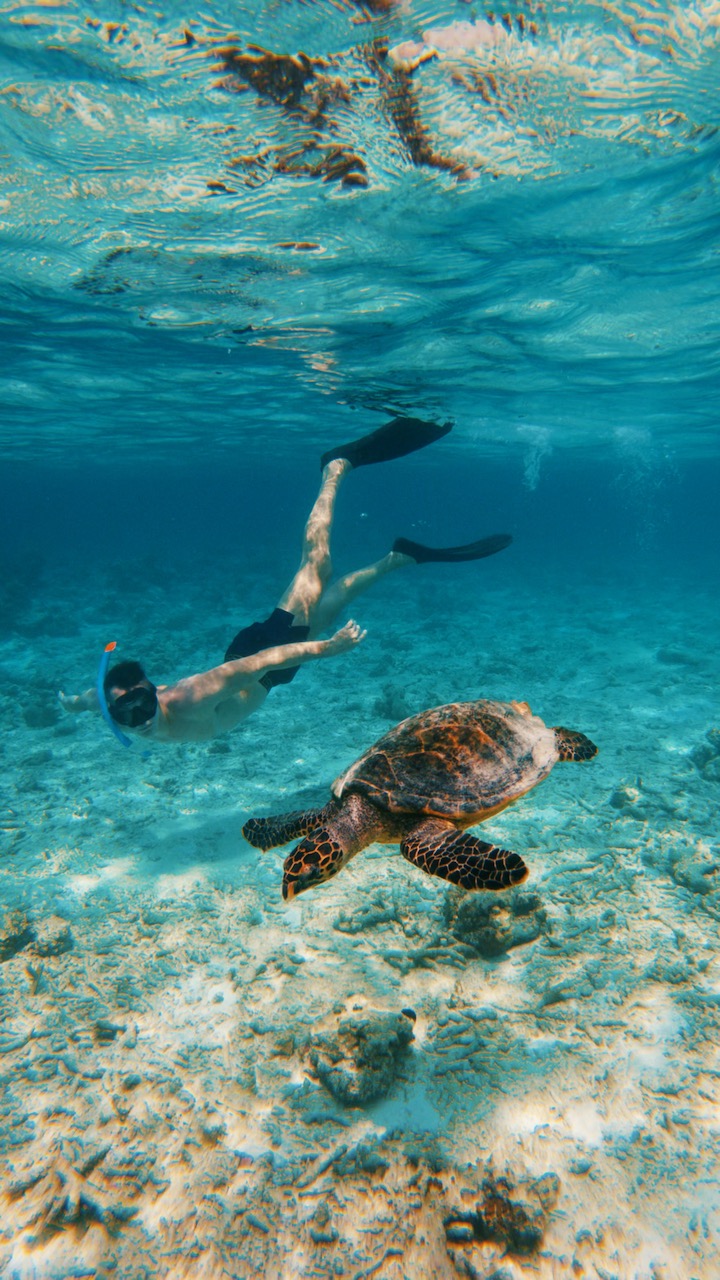
In partnership with the Olive Ridley Project (ORP), the resort submits sea turtle sightings and ghost-gear encounters to the national database. In 2025, 15 turtle sightings were documented, and six injured turtles entangled in abandoned nets were successfully rescued and transferred to ORP’s veterinary facilities.
In-house naturalist Olivia Forster, who contributes to Dr Melissa’s project, also leads guest programmes designed to nurture a deeper emotional connection to the ocean and highlight its fragility.
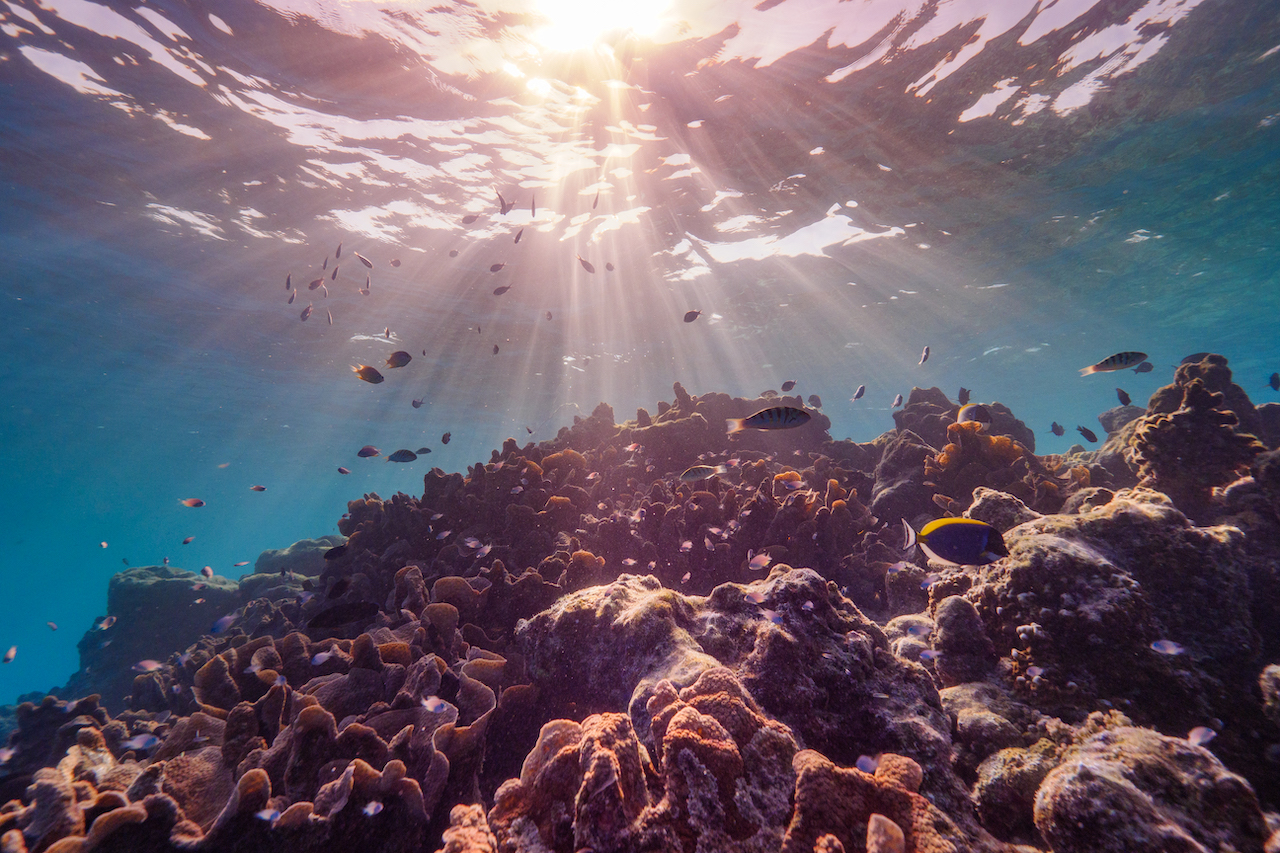
She notes the urgency of the work: “I have been working in the Maldives for nearly five years now, and have definitely noticed changes in both the ocean and local weather patterns. Of particularly note, last year the Maldives experienced a significant coral bleaching event and as a result we saw entire reefs turning white as a stress response to unfavourable environmental conditions (in this case it was rising sea temperatures). Thankfully, most of the corals in our coral restoration project recovered, however, we did witness one reef filled with beautiful Acropora corals almost completely die over the space of a few months.”
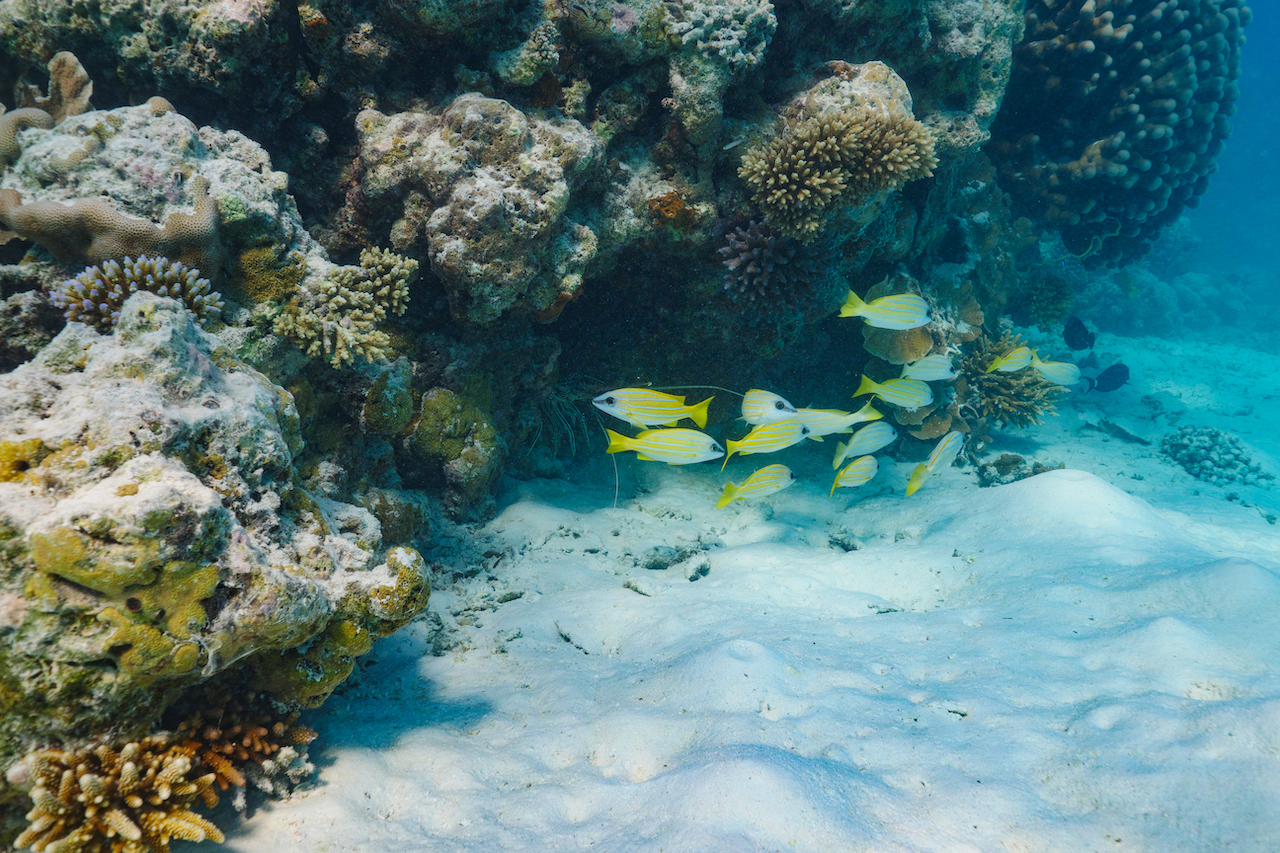
Regeneration remains a priority. In 2025, the team also planted 140 new coral frames, bringing the total to 243. Some 2,532 coral fragments were planted this year with the support of 290 participating guests. A nursery trial yielded 25 new Acropora colonies. A new coral sanctuary, accessible via swimming jetty, now welcomes guests into the heart of the restoration work.
Meanwhile as part of the resort’s ‘Masters of Crafts’ programme, scientists, oceanographers, and ocean advocates—known as ‘Visiting Heroes’ —regularly arrive at the resort to share research and deepen the environmental engagement with both guests and staff.
Operationally, 2025 marked significant strides. Energy consumption and waste were significantly reduced through new resort-wide measures. The solar garden and expanded rooftop network increased total solar capacity across Fari Islands to 6.4 MWp—capable of supplying up to 50% of the islands’ energy demand.
Single-use waste continues to dip by replacing coffee pods with by ground-coffee machines, and launching food-waste reduction programmes, including repurposing fruit peels from detox water and introducing coffee-scrub workshops for the staff. Additional systems, including motion sensors, photocells, sensor taps, and a bio-digester for wet waste, have strengthened energy- and water-efficiency across the property.
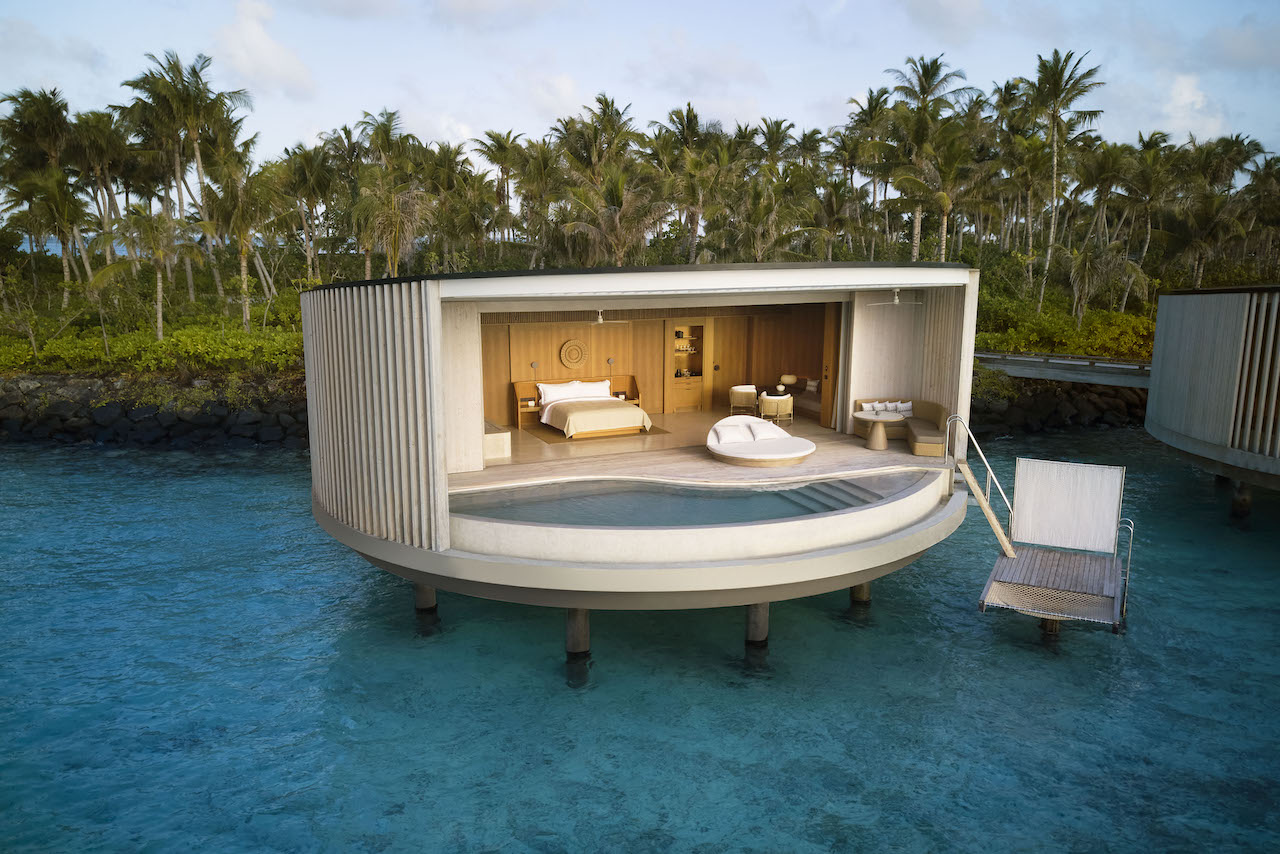
The resort’s targets for 2026 include: an 80% reduction in single-use plastics, a 5% reduction in water use, and a 20% increase in compost production. Guests already feel the shift—through bamboo amenities, refillable bottles, reusable materials, and the absence of plastic where luxury once assumed it belonged.
As The Ritz-Carlton Maldives, Fari Islands looks ahead, its promise is clear: immersive experiences that honour the ocean, deepen conservation knowledge, and prove that luxury and environmental stewardship can not only coexist—but elevate one another.

How Puyi Optical Shaped Luxury Eyewear Over the Last 25 Years