

How AMAC Aerospace Is Meeting Rising Demand for VVIP Aircraft Completions and Modernisation
This year, AMAC Aerospace is navigating rising demand for VVIP completions, connectivity upgrades and next-generation aircraft programmes — while expanding its engineering and design capabilities in Basel.
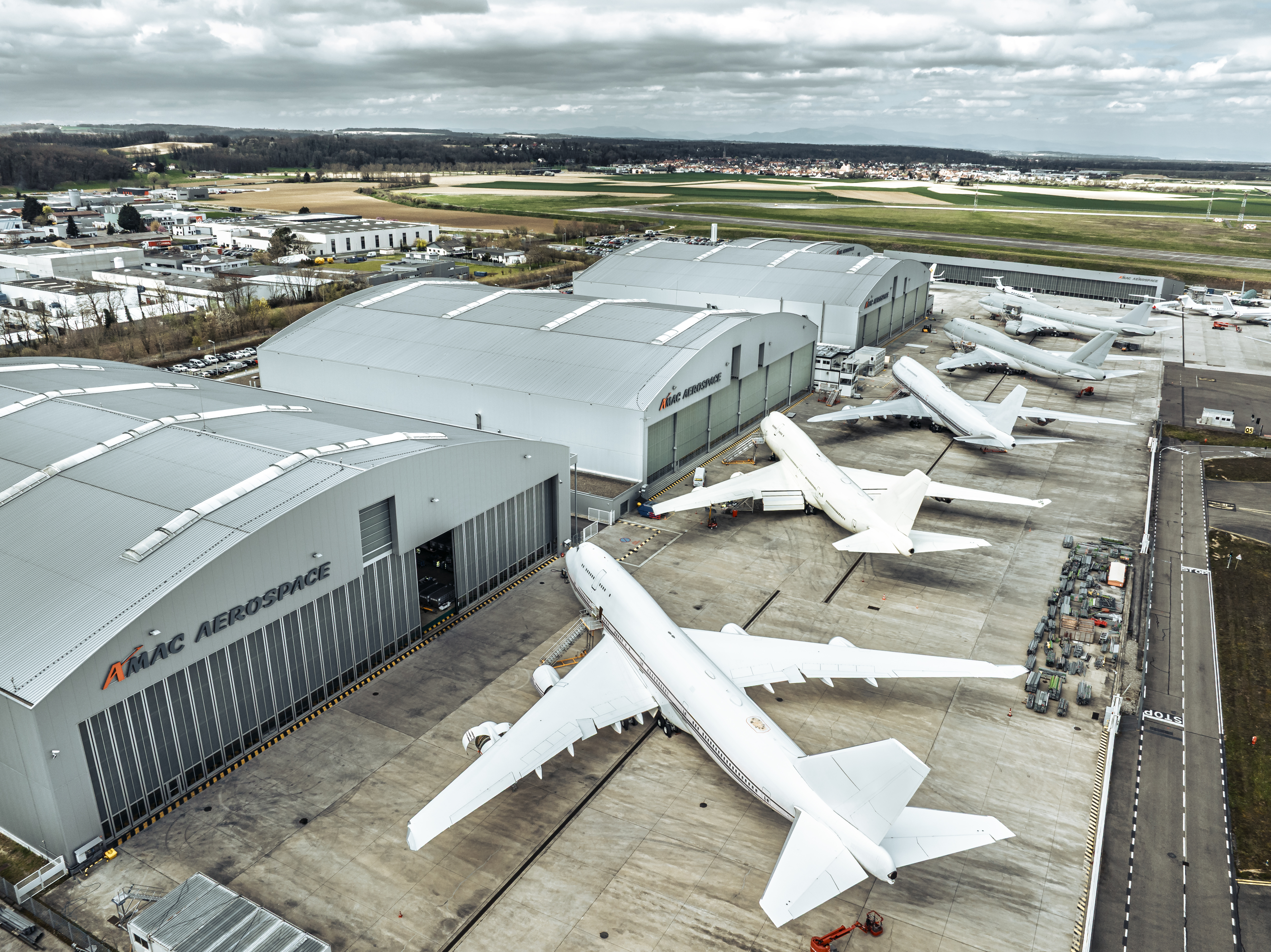
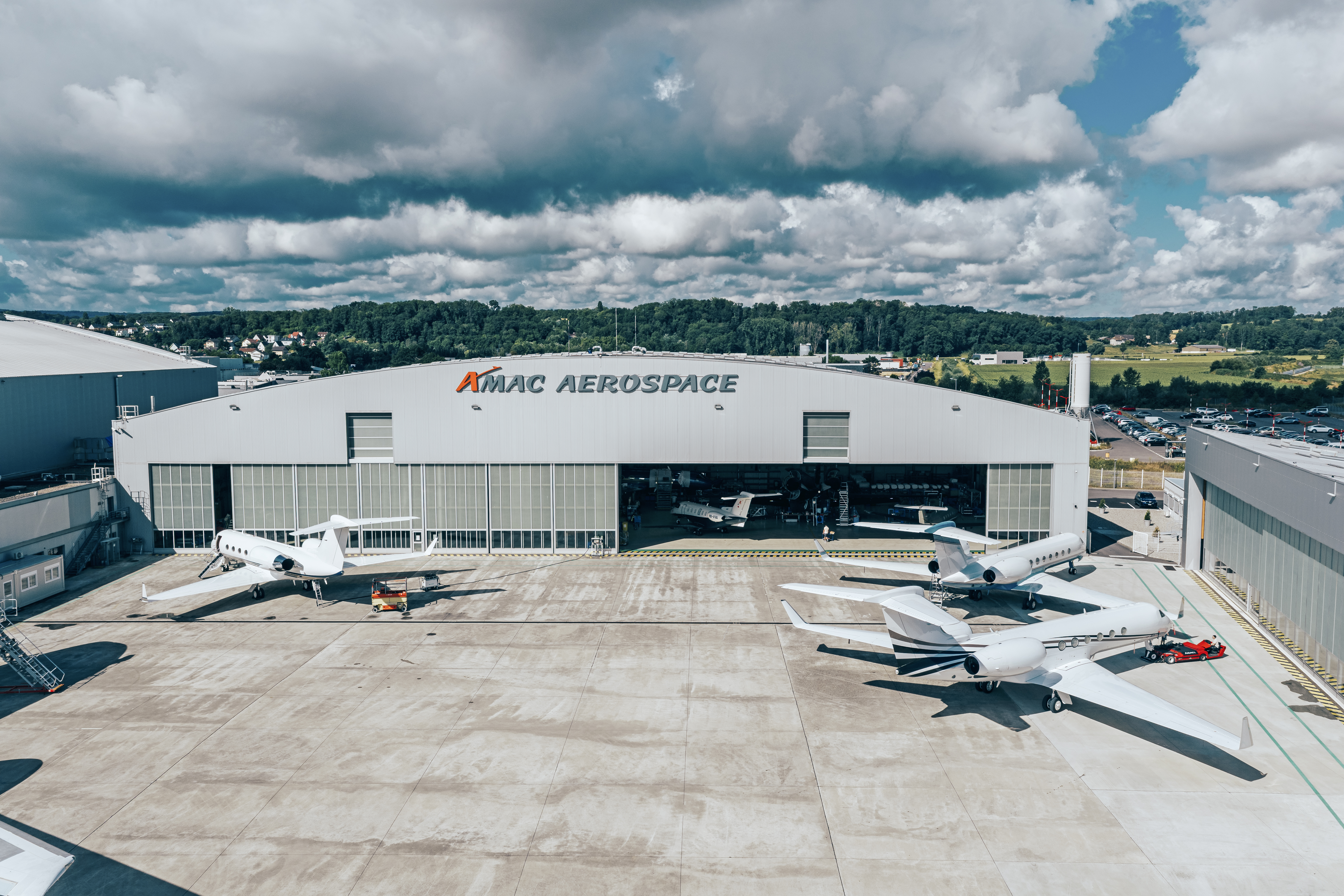
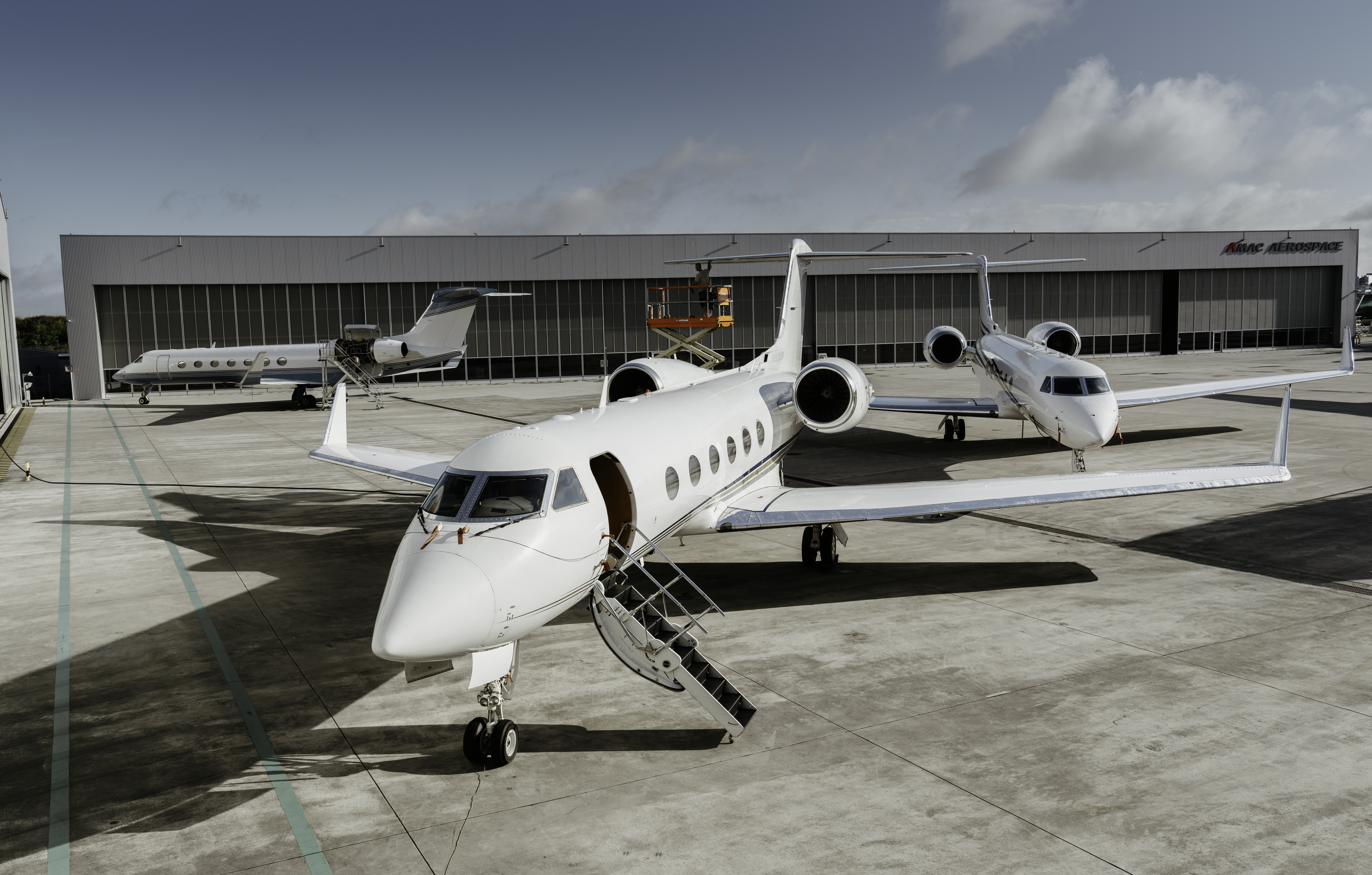
In 2026, the hangars at AMAC Aerospace’s Basel headquarters have remained consistently full to date. The momentum reflects broader demand across both the VVIP and business aviation sectors, particularly as operators invest in refurbishment programmes, advanced connectivity systems and newgeneration aircraft completions.
“The market remains highly dynamic and at times fluid; however, overall activity continues to be supported by high fleet utilisation and ongoing investment in completion, maintenance, refurbishment, and upgrade programmes,” says Alexis Lang, Senior Manager Completion & Group Sales. He adds that to ensure smooth project execution and alignment with their operational requirements customers should secure their slots early.
The company has seen a significant increase in maintenance work on Bombardier and Gulfstream aircraft, alongside a growing number of pre-purchase inspections.
At the same time, demand has remained steady across Boeing and Airbus platforms, including highly specialised structural repair projects. Among them were major repairs on three Boeing 747-8i aircraft linked to cracked fuselage stringers — technically challenging work requiring specialist engineering expertise.
Alongside maintenance programmes, AMAC Aerospace has also experienced growing appetite for cabin refurbishments, system upgrades and satellite connectivity installations. Starlink integrations, in particular, have become one of the fastest growing areas of activity.
Building Beyond Maintenance
While AMAC Aerospace remains best known for aircraft maintenance and VVIP completions, the company has steadily evolved into a far broader aviation platform encompassing engineering, design, refurbishment and technology integration.
Part of that expansion became visible in 2025 with the inauguration of a new three storey engineering facility and gatehouse at EuroAirport Basel. Together spanning 4,500 sqm, the buildings represent a CHF14 million (SGD22 million) investment into the company’s long-term infrastructure strategy.
The expansion was partly driven by scale. AMAC Aerospace now operates one of the largest aviation engineering departments in Europe, with more than 160 engineers based onsite. The new engineering building was designed to improve coordination between departments while accommodating future growth. The adjacent gatehouse consolidates security, safety and facility management operations while also functioning as a dedicated reception space for customers and visiting delegations.
The facilities also reflect a growing focus on sustainability within the aviation sector. Constructed entirely from wood, the buildings incorporate enhanced insulation systems and solar-powered hot water generation to improve energy efficiency across operations.
That broader operational expansion comes at a time when AMAC Aerospace is managing increasingly large-scale projects across multiple categories simultaneously.
“The current growth of AMAC Aerospace is driven by a combination of high fleet utilisation, increasing demand for modernisation and evolving customer requirements. Towards the end of last year, we observed a clear increase in cabin interior completion requests, alongside continued growth in refurbishment activity,” says Lang.
According to him, this trend is largely driven by rapid advancements in onboard technologies — particularly in connectivity — where customers seek to align their aircraft with the latest standards.
“In addition, the global environment has led to a noticeable rise in demand for self-protection systems, reflecting an increased focus on safety and security among both private and governmental operators,” Lang adds.
Together, these factors are shaping a solid and forward-looking project pipeline, supported by AMAC Aerospace’s integrated capabilities across design, engineering, and completion.
The Scale Of Complexity
The past 12 months at AMAC Aerospace have been marked by operational intensity, alongside several significant business milestones.
“A key achievement has been the ability to manage increasing project volumes while consistently maintaining quality, safety, and delivery standards across all activities,” says Lang.
He describes the A350 completion as a defining milestone not only for the company but for the wider industry. “AMAC Aerospace successfully completed and redelivered the world’s first VVIP Airbus A350, representing a major industry milestone and demonstrating the company’s capability to manage highly complex, largescale completion programmes.”
He adds that in 2025, the company also launched a series of continuous improvement initiatives, leveraging lessons learned from project to project to futher enhance efficiency, processes, and execution quality.
That process is supported through certifications including ISO 9100 and ISO 9110, which govern aerospace quality management and maintenance standards.
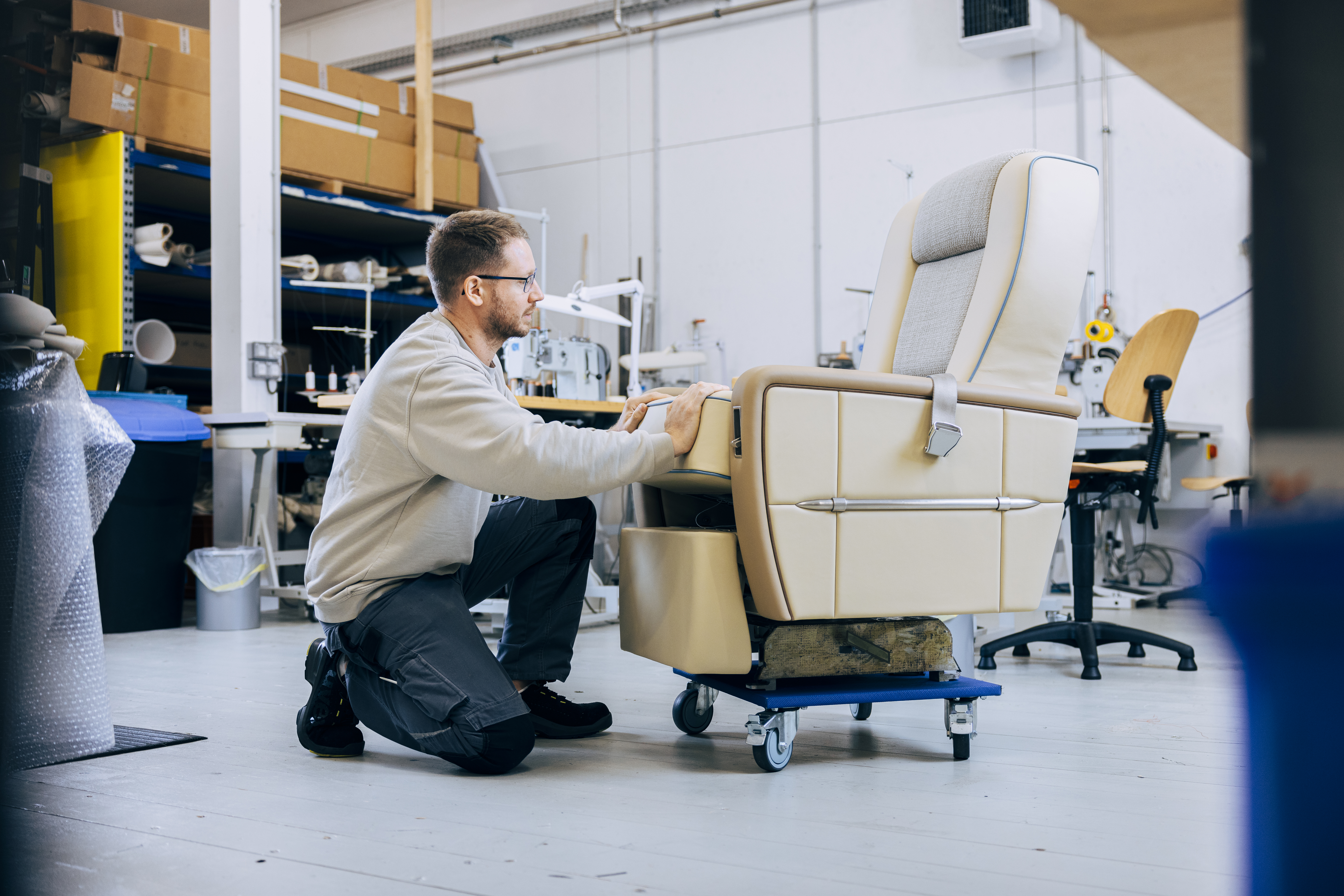
As business continues to grow, the company strives to balance operational efficiency with the highly bespoke expectations of VVIP aircraft owners. “At AMAC Aerospace, all VVIP projects are fully customised, reflecting the specific vision and requirements of each aircraft owner. Operational efficiency is ensured through strong coordination, careful planning, and close alignment across all project stakeholders. This allows even highly complex and individualised requirements to be managed with precision,” says Lang.
“A key differentiator is AMAC Aerospace’s open-door policy, which provides customers with direct and continuous access — from leadership level down to the shop floor. This enables real-time interaction with engineering, production, and management teams, ensuring requirements are clearly integrated throughout both the definition and production phases. Combined with full in-house capabilities, this allows AMAC Aerospace to deliver fully bespoke solutions while maintaining efficiency, quality, and reliability,” he adds.
Designing The Next Generation Cabin

The company’s ambitions are also becoming more evident within cabin design itself.
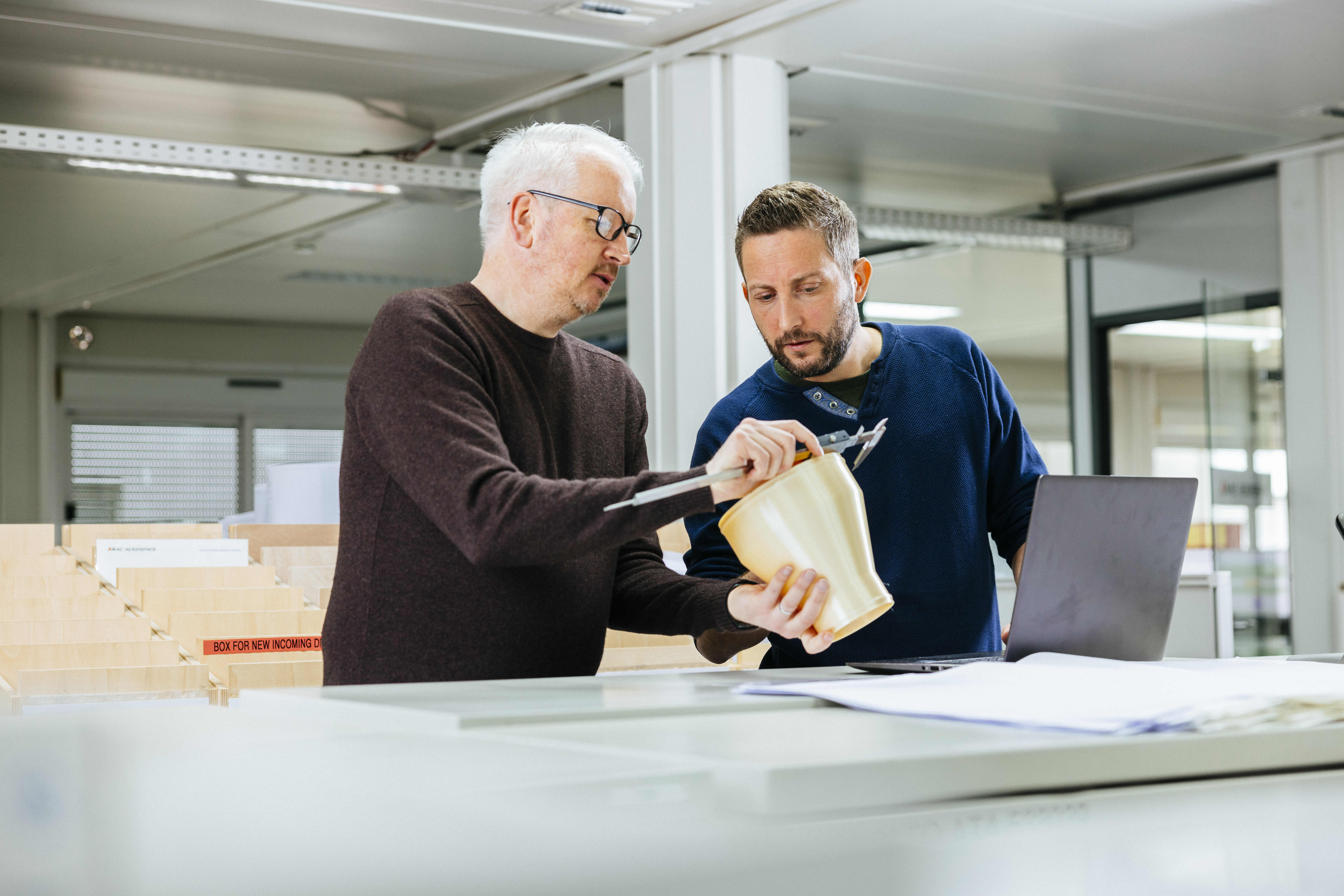
“Refurbishment and modernisation are becoming an important and steadily growing part of the business, as many owners choose to upgrade existing aircraft rather than replace them,” says Lang. Aircraft availability, investment optimisation and evolving onboard technology are key factors driving the trend.
“Towards the end of 2025, particularly in Q3 and Q4, AMAC Aerospace observed an unprecedented level of requests for new-generation aircraft completions, reflecting strong interest in more efficient and future-oriented platforms. As a result, both segments — refurbishment of existing aircraft and completion of new-generation platforms — are developing in parallel, each addressing distinct but equally strong customer needs,” Lang adds.
Supported by its integrated capabilities, AMAC Aerospace is well positioned to respond to this dual demand, delivering highly customised solutions across both refurbishment and new completion programs.
Balancing Luxury And Responsibility
With the continued sustainability discussions within aviation, AMAC Aerospace is also placing greater emphasis on environmental considerations into both operations and aircraft design.
AMAC Aerospace believes that performance, luxury, and responsibility must evolve together. “As sustainability becomes an increasing priority in aviation, environmental considerations are integrated across both aircraft development and the broader operational ecosystem. This approach extends beyond the final product to include facilities, manufacturing processes, and the tools used to produce cabin interiors. Continuous efforts are made to improve energy efficiency, optimise resource consumption, and implement advanced waste management practices, supported by carbon footprint assessments and ongoing environmental initiatives,” says Lang.
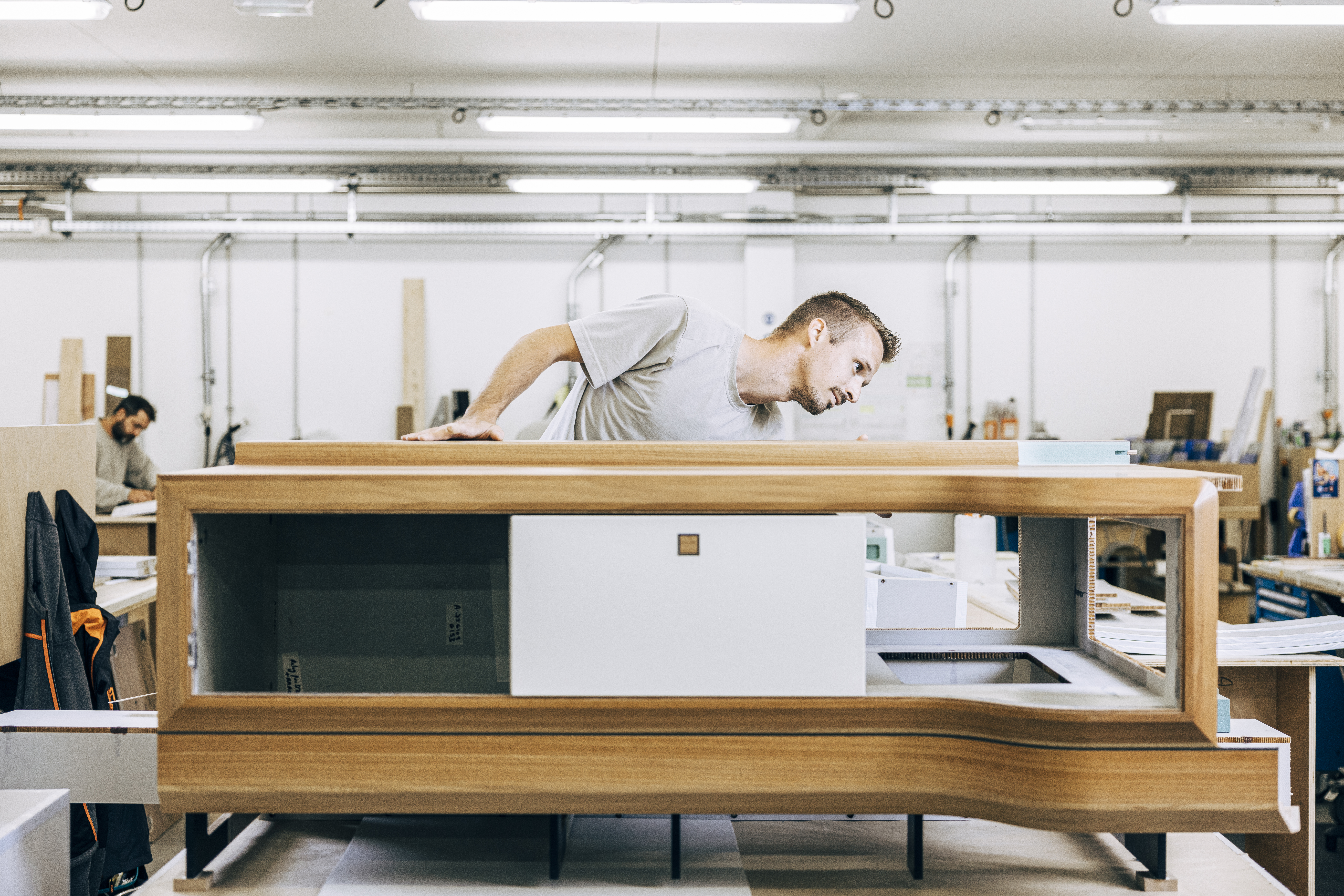
He continues: “From a design and engineering perspective, a key focus lies in weight optimisation and the selection of smarter materials, contributing to reduced fuel consumption and lower emissions while maintaining the highest standards of quality and performance.”
Refurbishment programmes themselves also form part of that approach by extending aircraft lifecycles and reducing the need for replacement platforms.
“Through this comprehensive approach — covering product, production environment, and operations — AMAC Aerospace contributes to a more sustainable evolution of business aviation while continuing to deliver fully customised and high-quality solutions.”
For now, however, the immediate challenge remains scale. Demand across the VVIP and business aviation sectors shows little sign of slowing, while customer expectations continue becoming more sophisticated.
For AMAC Aerospace, success now depends not only on technical expertise, but on managing complexity across engineering, connectivity, design, security and customer experience at once.
The New Ultra-Long-Range Race

Engineering Wellness At 39,000 Feet