

Singapore to Bhutan by Private Jet: A 48-Hour Himalayan Escape
A jet-set weekend from Singapore to Bhutan and back: A private jet makes possible a whirlwind trip of cliffside monasteries, Himalayan passes and dinner beneath prayer flags.
By Robert Stedman
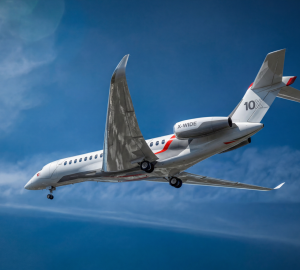
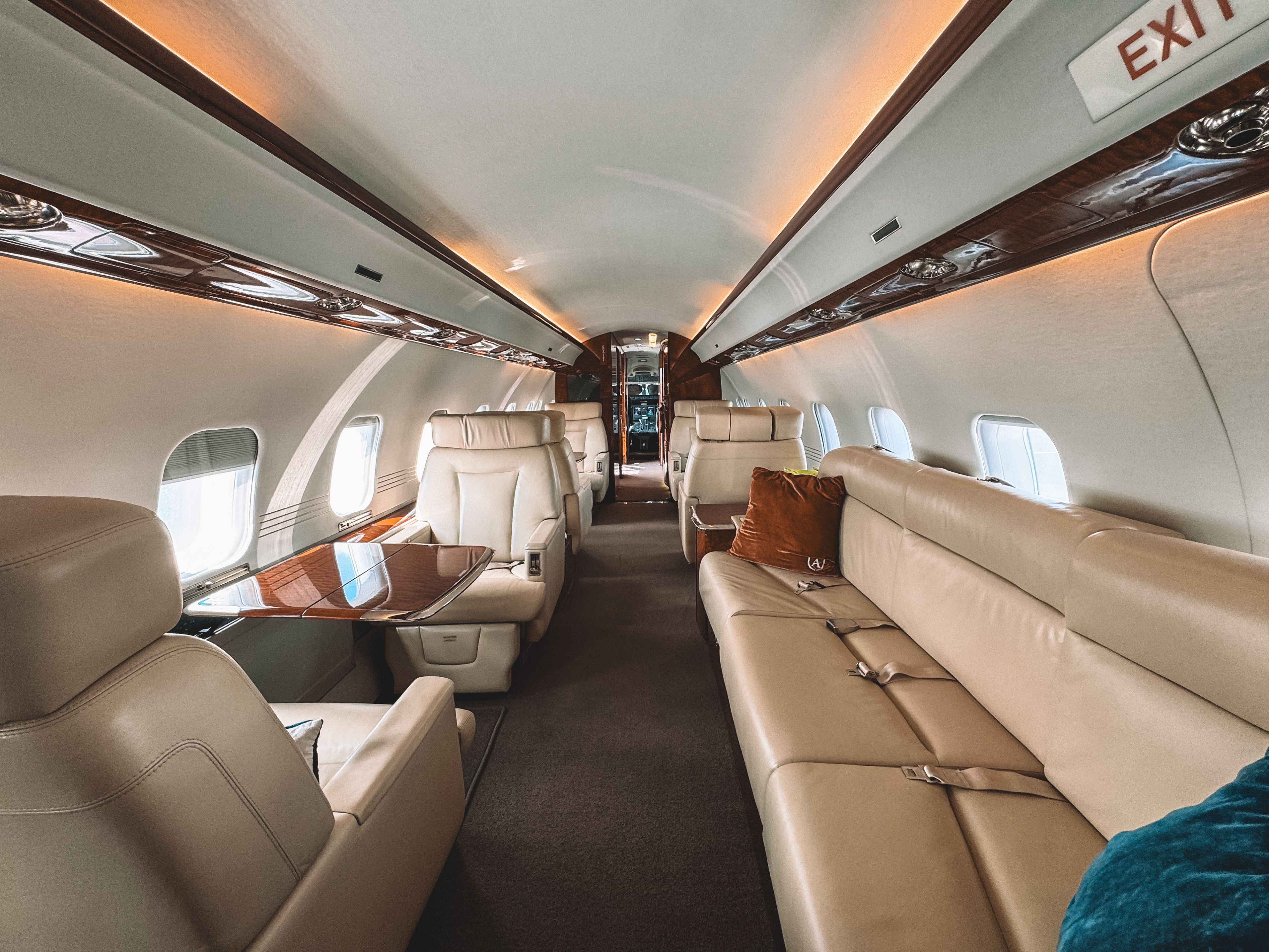
Friday, 1:35 pm, Singapore. The Global 7500 pushes back from a private apron at Seletar, with Singapore’s afternoon commute still grinding on below. You, in contrast, are already on your way to another world.
This is the appeal of the modern long-range business jet: not only can it cross oceans, but it collapses the distance between “impossible” and “Tuesday”. Bhutan — landlocked, mountain-walled, notoriously unfriendly to aircraft — has always been a place people plan and save for. This weekend, it’s simply where dinner happens to be.
The Approach
Paro is the only international airport in Bhutan, and its approach is one of the most demanding in commercial aviation — a valley threaded between peaks that rise past 5,000 metres, requiring visual flying for the final descent and a small, qualified roster of pilots. Only a handful of crews worldwide hold that certification; it is as much a craft passed down as a qualification earned.
A long-range jet with the legs to reach Bhutan directly from Singapore — roughly 2,600 nautical miles — combined with the short-field performance required to land there is a rare proposition. Most operators route through Kathmandu or Delhi, adding a layover and a full extra day. But you’re not most operators.
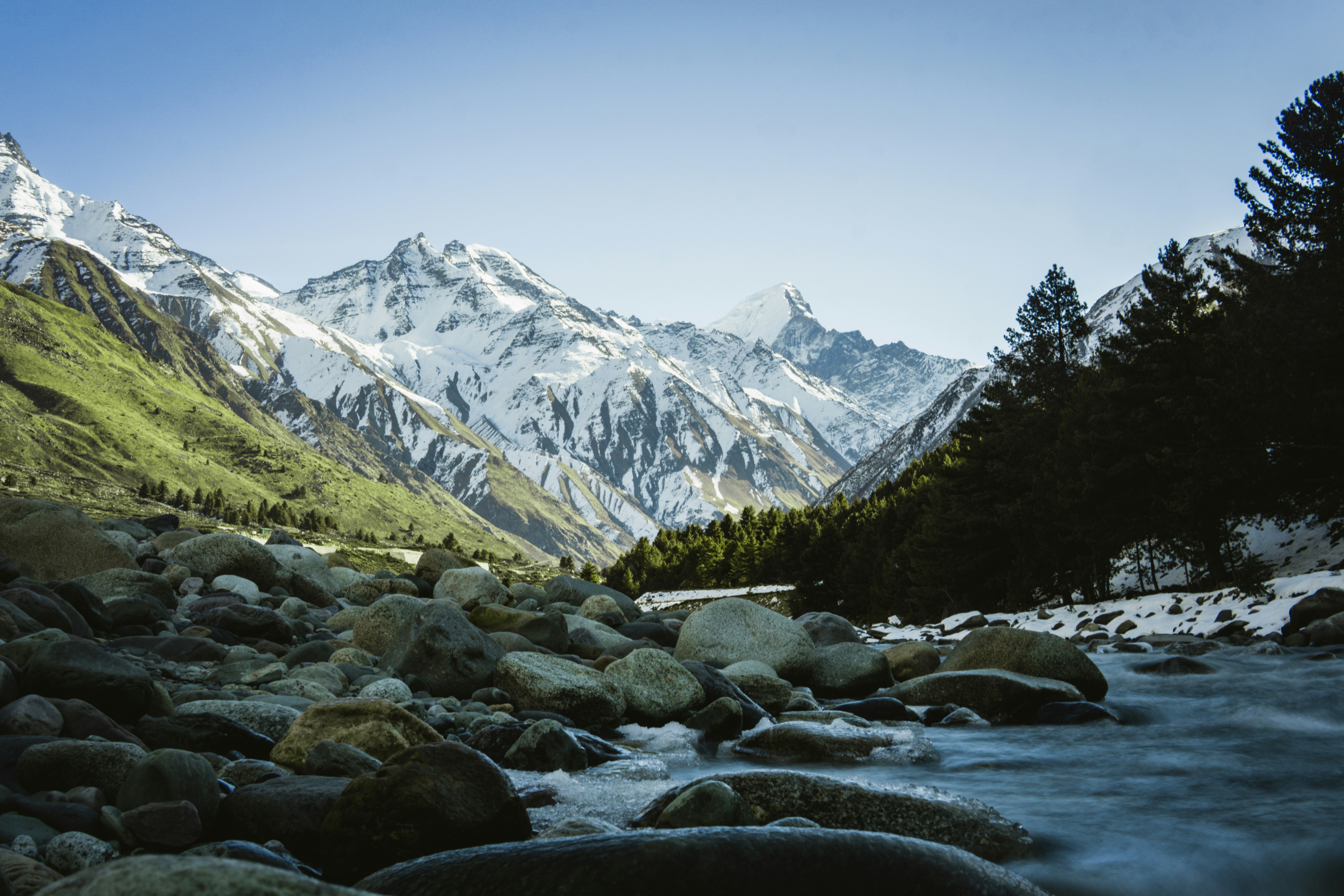
The descent into Paro makes the rest of the itinerary feel earned. The aircraft banks between ridgelines close enough that the wingtip seems to graze the pine forest; farmhouses with red-and-gold window frames slide past below, and then the runway is there, laid along the valley floor. It is 4:25 pm local time — just under five hours in the air, and you have arrived in an entirely different landscape and rhythm.
The 30-Hour Middle
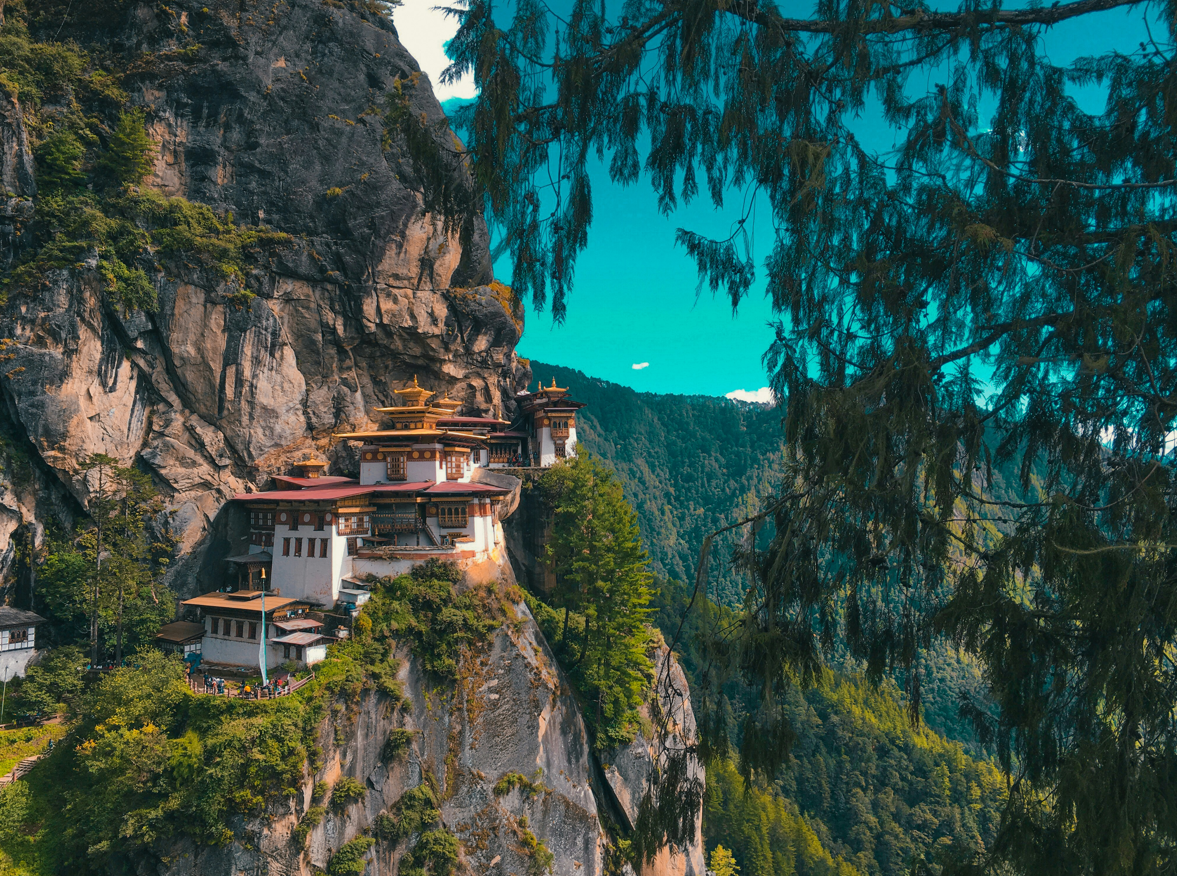
Saturday begins early, while the valley is still in shadow: at the trailhead for Paro Taktsang, or the Tiger’s Nest, a monastery built into a cliff face nearly 900 metres above the valley floor and among the most photographed religious sites on earth. The climb is a two-to-three-hour switchback through pine forest, past prayer wheels and up to a teahouse viewpoint where the monastery first appears in full. Ponies can carry visitors as far as the viewpoint; the final stretch is on foot. By the time you’re back down, the valley has warmed into full mid-morning light.
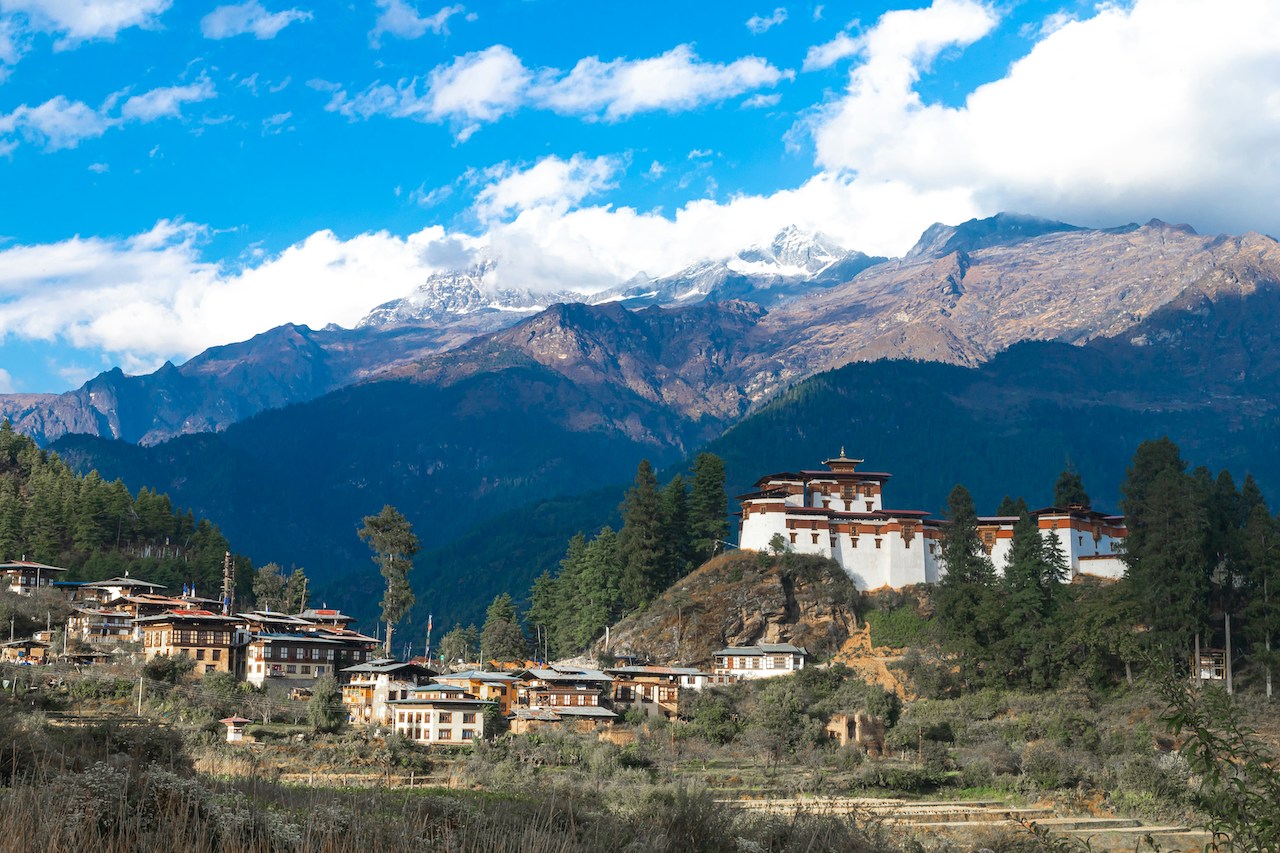
From Paro the road climbs east over the Dochula Pass, its ridge lined with 108 chortens (stupas) and, on a clear day, views of a wall of Himalayan peaks. The drive into the Punakha valley takes a little over four hours. By early afternoon you’re at a private farmhouse retreat outside Punakha, where a Bhutanese chef has laid out ema datshi, a spicy stew of chilli and cheese with red rice.
The afternoon is unstructured by design — a hot stone bath, a walk through Punakha Dzong before the light turns gold, and a private audience with a local astrologer, because even a Bhutanese weekend bends toward the metaphysical. Dinner is outdoors, under prayer flags, with a fire lit against the mountain cold.
No amount of range or runway length can manufacture this part of the trip. What happens after you land has to be created by people on the ground. The jet gets you here; everything after that is someone else’s craft.
The Return Window
Paro’s valley approach imposes a hard constraint on the weekend: visual departures are only cleared during daylight, and afternoon winds can close the window early. The flight plan works backwards from this — Sunday’s departure slot is fixed at first light, non-negotiable, which is why the itinerary front-loads Saturday and treats Sunday morning as sacred rather than squeezing in one more temple.
Wheels up from Paro at 7:15 am Sunday. The climb out retraces the inbound route — peaks that felt impossibly close on Friday afternoon now disappear beneath the aircraft in early morning light. It is the same terrain, seen twice from an entirely different perspective. Breakfast is served over the Bay of Bengal: Bhutanese red rice porridge, a nod to where you’ve just been, alongside champagne if anyone’s still awake.
By early evening, Changi’s lights are coming up beneath the wing. Total flight time for the round trip: just under 10 hours, spread across two legs, inside a window that also held a hike to one of the most photographed monasteries on earth, a river-valley lunch, a stone bath, and a dinner under prayer flags and stars.
The Point of It
The value of range in aircraft like this isn’t the number on the spec sheet. It’s what that number removes from the calculation: the layover in Kathmandu, the missed departure window, the compromise that turns “Bhutan for the weekend” into “Bhutan, eventually”.
A 48-hour jet-set weekend only works if every hour on the ground is real time, not transit time. The jet doesn’t make the trip meaningful; it just gets out of the way long enough for Bhutan to do that on its own.
India’s Ranthambore National Park: Tigers, Conservation and Luxury Safari