


Discover the Yaeyama Islands, Okinawa’s Remote Island Paradise
Hidden in the outermost reaches of Japan, the Yaeyama Islands in Okinawa harbour an unexpected side of the country reserved for discerning travellers.
By Lim Chee Wah
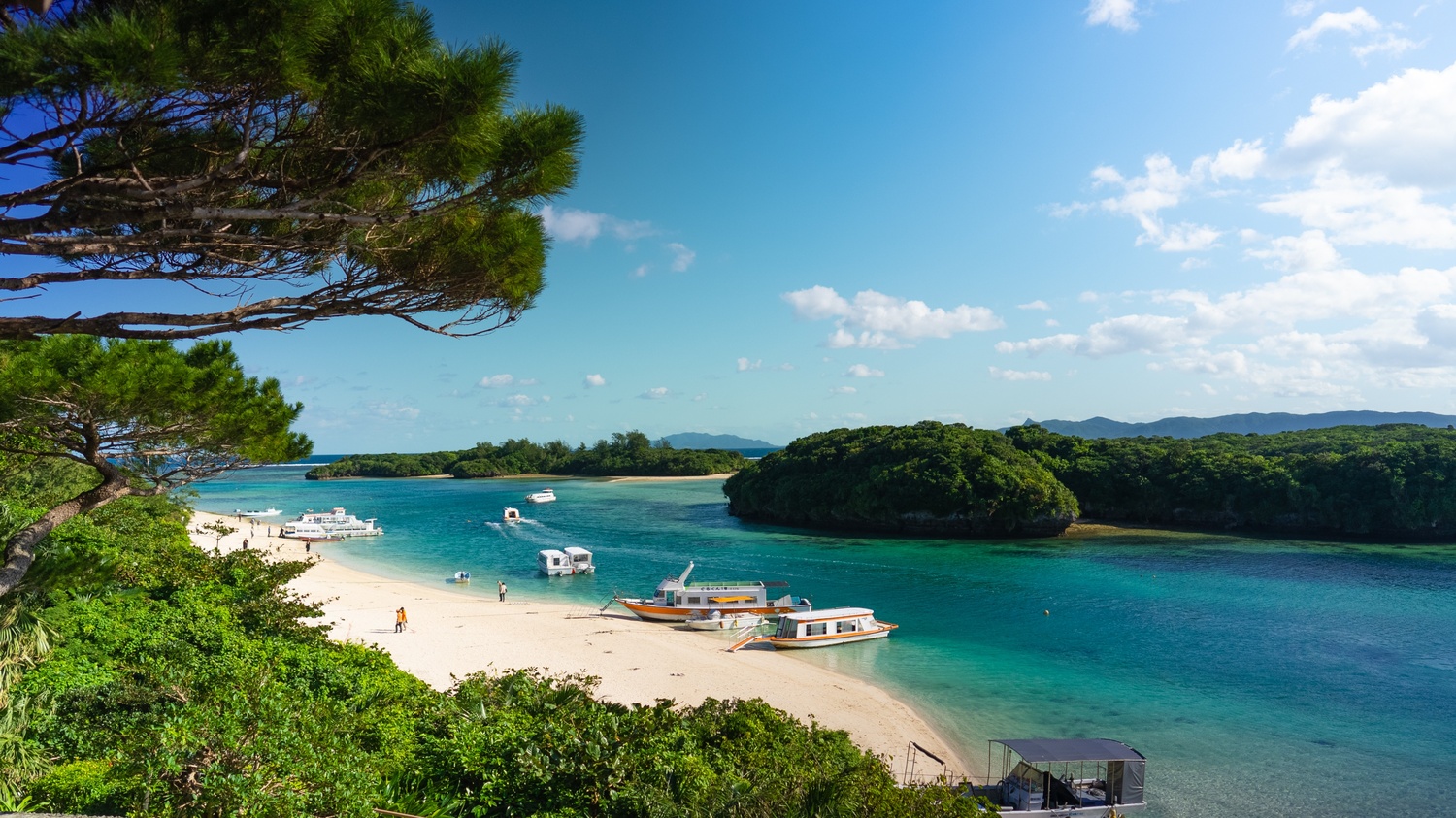
Okinawa is not just one island. Rather, this southernmost prefecture of Japan is a sprawling constellation of 160 islands spread across a thousand kilometres of unspoilt waters between Kyushu and Taiwan. It’s geographically remote, far from the Japanese mainland, and culturally distinct too. The archipelago was once an independent Ryukyu kingdom before being incorporated into Japan in 1879.
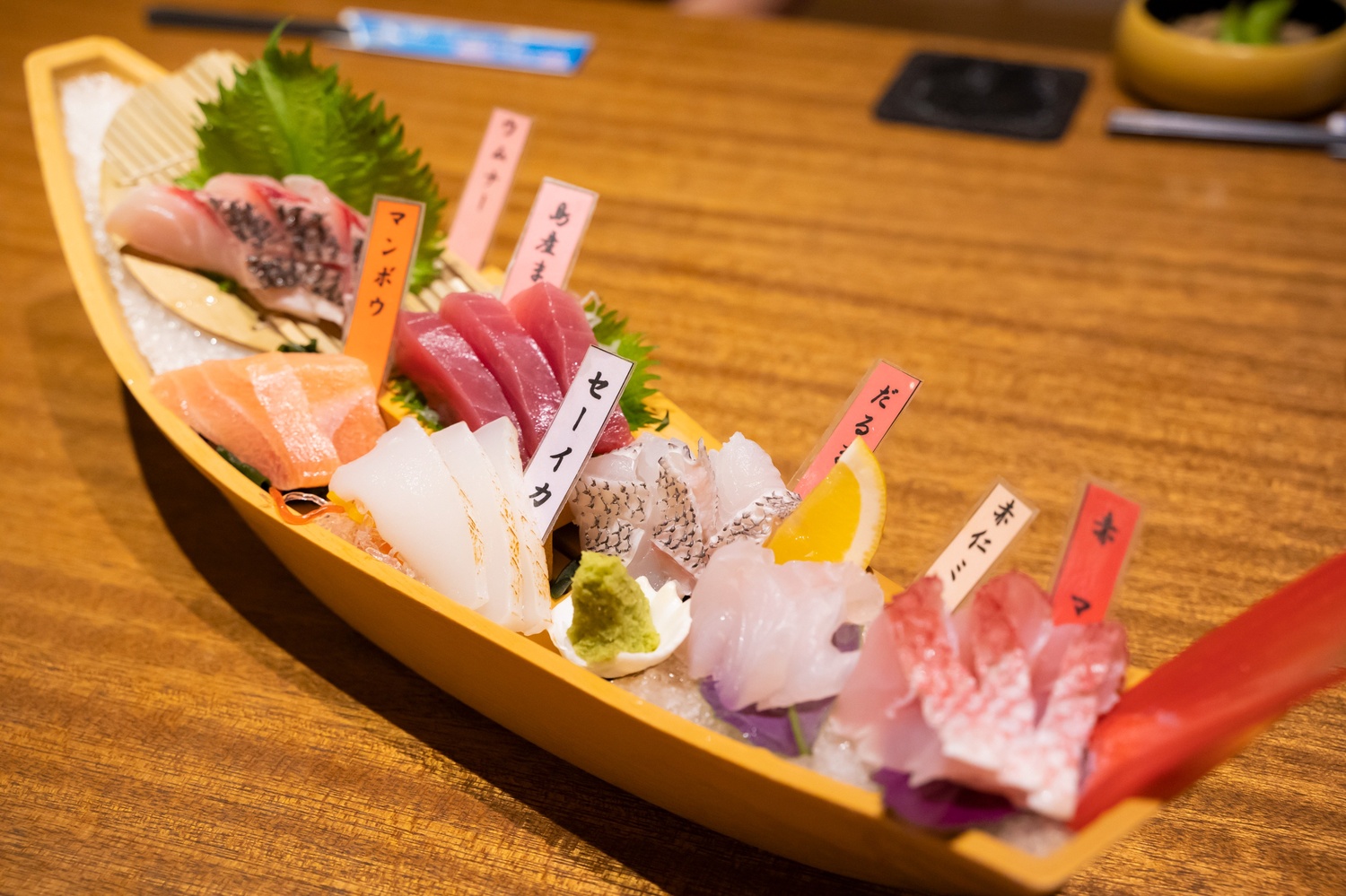
This explains why the Okinawa islands feel familiar yet different at the same time. Sushi, sashimi and ramen are commonplace – but so are long-grain rice liquor awamori, sata-andagi doughnuts and the rectangular onigiri ‘sandwich’ of pork luncheon meat, egg and rice held together by a piece of crisp seaweed.
Better yet, this is the subtropical paradise of Japan, where stretch after stretch of idyllic beaches fade into an evergreen patchwork of mangroves, jungles and mountains. ‘Winter’ in Okinawa is comfortably cool yet sunny, with daytime temperatures hovering around 20°C. It’s the perfect island getaway, even when the rest of the northern hemisphere is shivering in the snow.
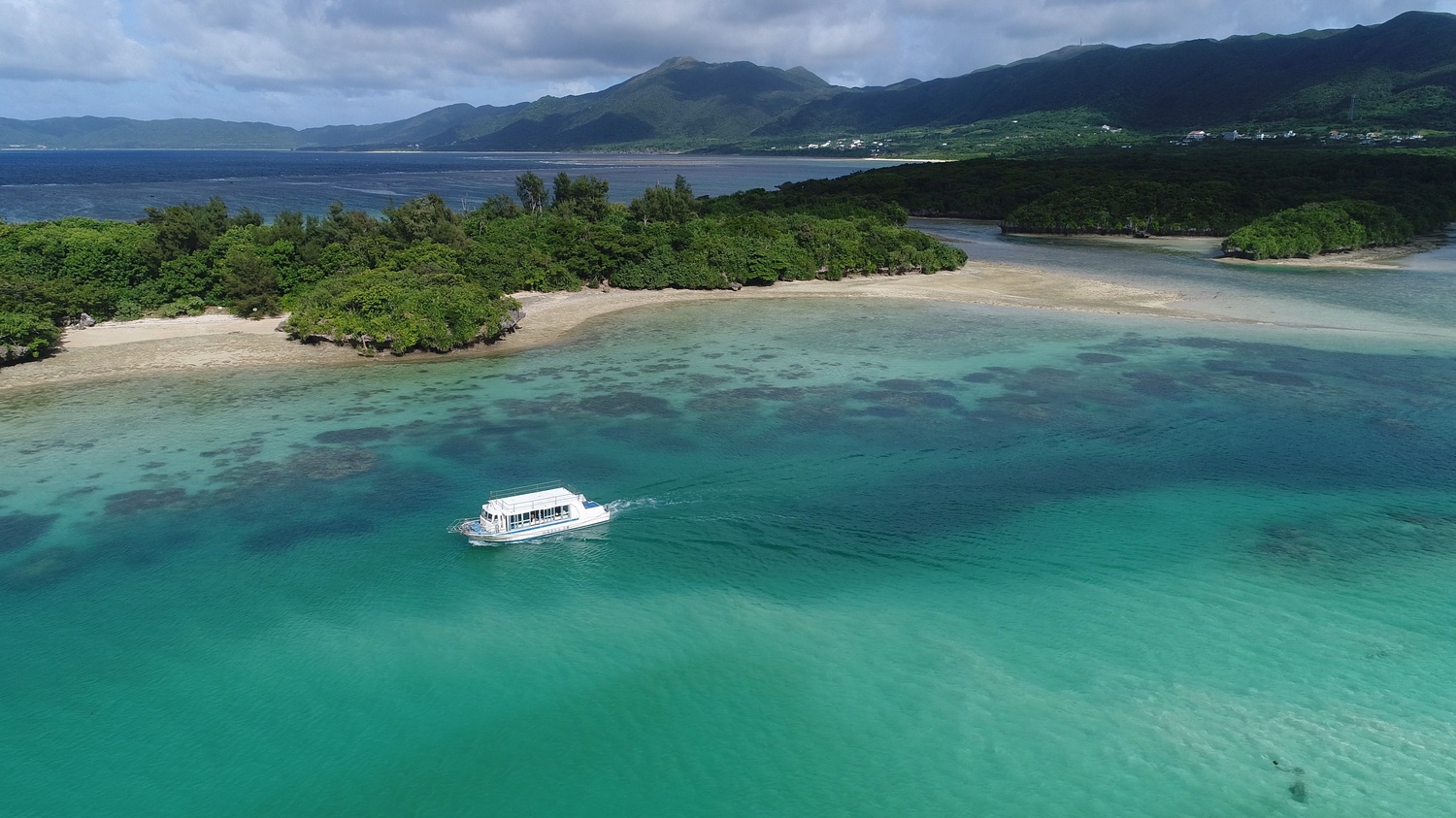
Nowhere is this more true than in the Yaeyama Islands, a largely untouched chain in the far-flung reaches of the prefecture, about 400 kilometres from the main island of Okinawa, where most tourists gather. Discerning travellers have increasingly favoured Yaeyama, not just for its seclusion but also for the diverse environments, all in close proximity.
Of the six main Yaeyama islands, Ishigaki is home to one of Japan’s most spectacular coastlines while Iriomote is covered in lush greenery more typical of Southeast Asia than Japan. Taketomi, on the other hand, offers an immersive window into the region’s traditional way of life.
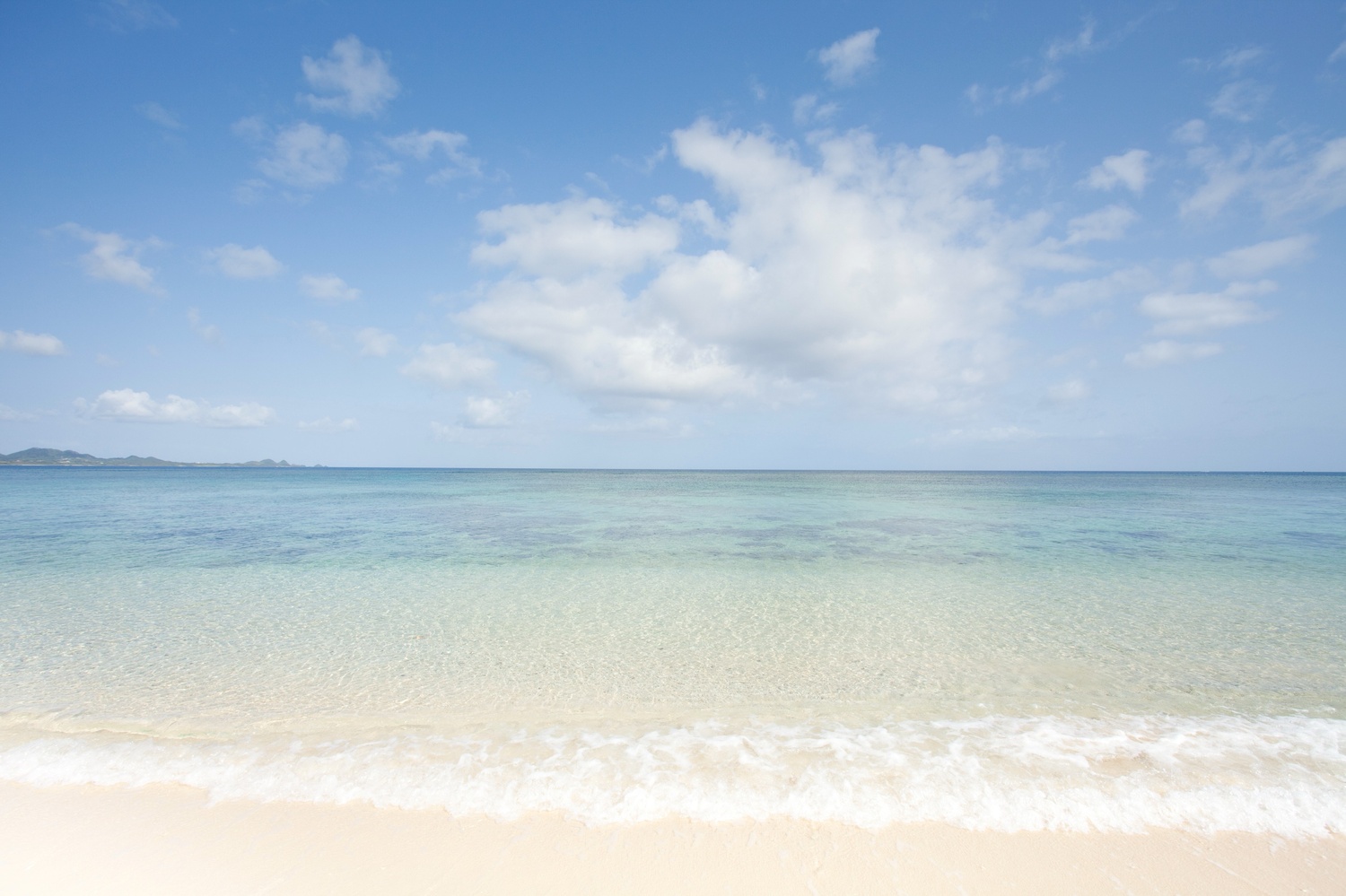
Ishigaki: Gateway to secluded luxury
As the heart of Yaeyama, Ishigaki is home to the region’s only international airport with private jet access, making it the perfect base to explore this remote, sun-drenched corner of Japan, especially for those seeking absolute discretion. It also features sumptuous retreats like the two-Michelin-key Jusandi, where just five minimalist pool villas lead down to a private beach.
Ishigaki’s most picturesque sight, Kabira Bay, is an emerald blue inlet tucked into the northwestern coast. The white-sand beach is warm and soft underfoot, with quiet nooks to disappear into for hours. The crystal-clear water, on the other hand, is a coral sanctuary teeming with marine life. However, swimming and snorkelling are prohibited here.
To witness the underwater splendour, skip the commercial glass-bottom boats and instead, charter a private dive to the nearby Manta Scramble. Unlike its namesake in Shibuya which is crowded with people, this aquatic crossing sees majestic manta rays gliding through the currents. It’s one of the few places in the world where the rays appear regularly in huge numbers.
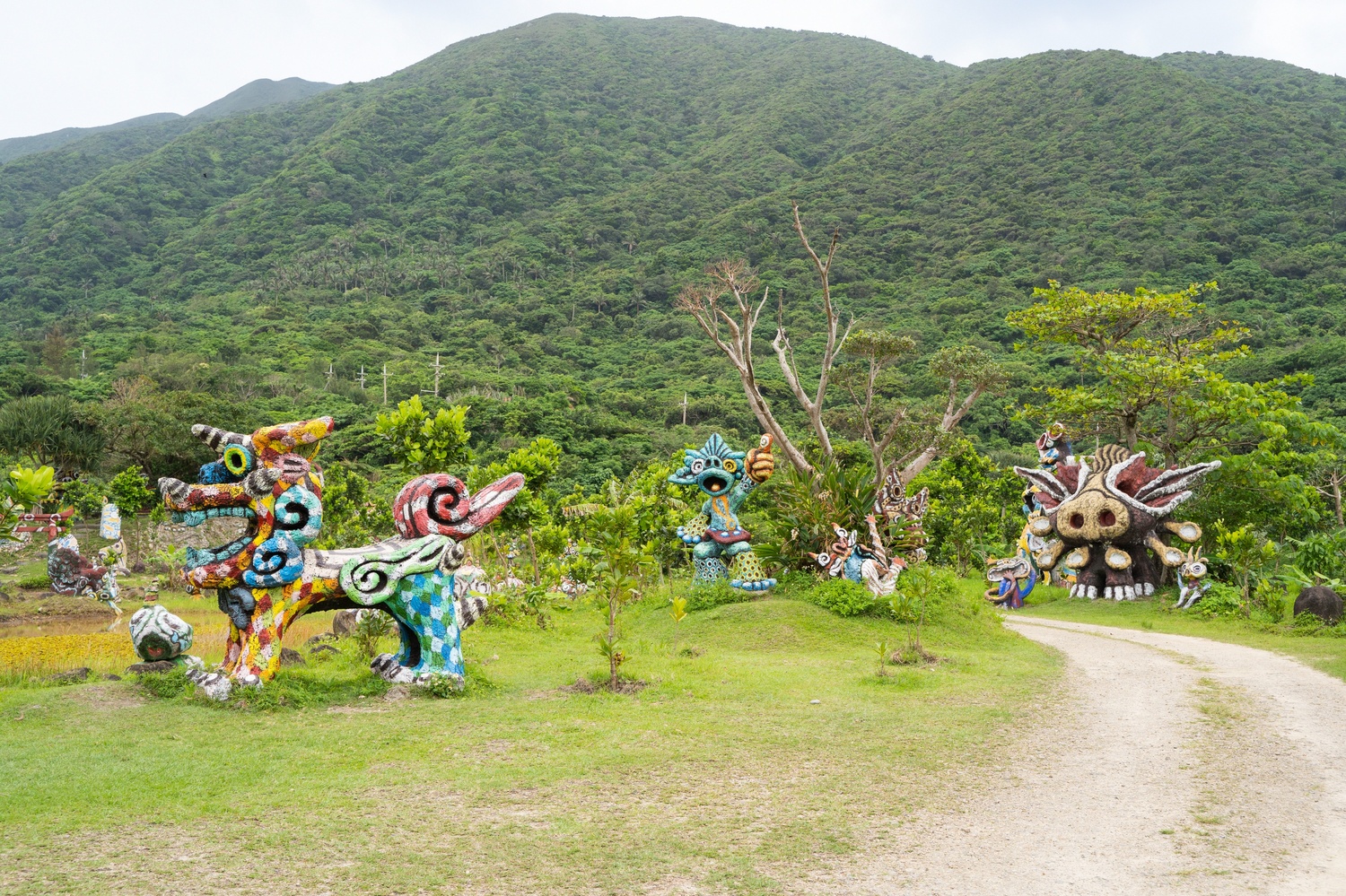
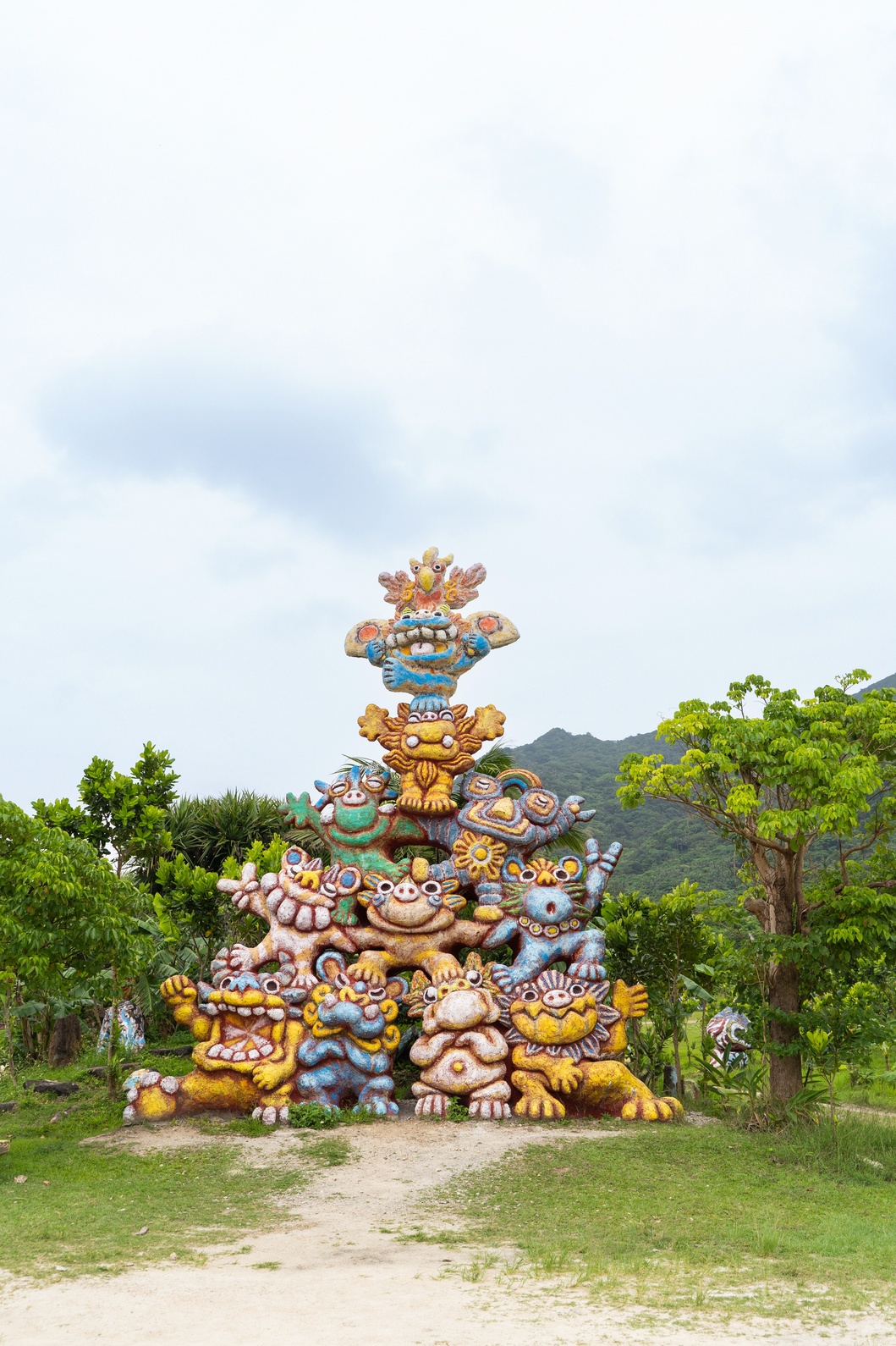
Further along the coast, Yonehara Beach offers a more expansive shoreline that remains relatively under the radar. Just across the road, the Yoneko-yaki Pottery studio provides an artistic introduction to Okinawa’s iconic guardian creature known as shisa, cousin to the guardian lion found in Chinese cultures across Asia.
Here, these traditionally fierce beings are reinterpreted as fun, playful and adorable, with some supersized to looming proportions, drenched in psychedelic colours and plastered with whimsical expressions. These fantastic beasts populate the adjacent Shisa Garden, turning the outdoor gallery into one of Ishigaki’s most surreal attractions.
Iriomote: Untouched Southern Edge
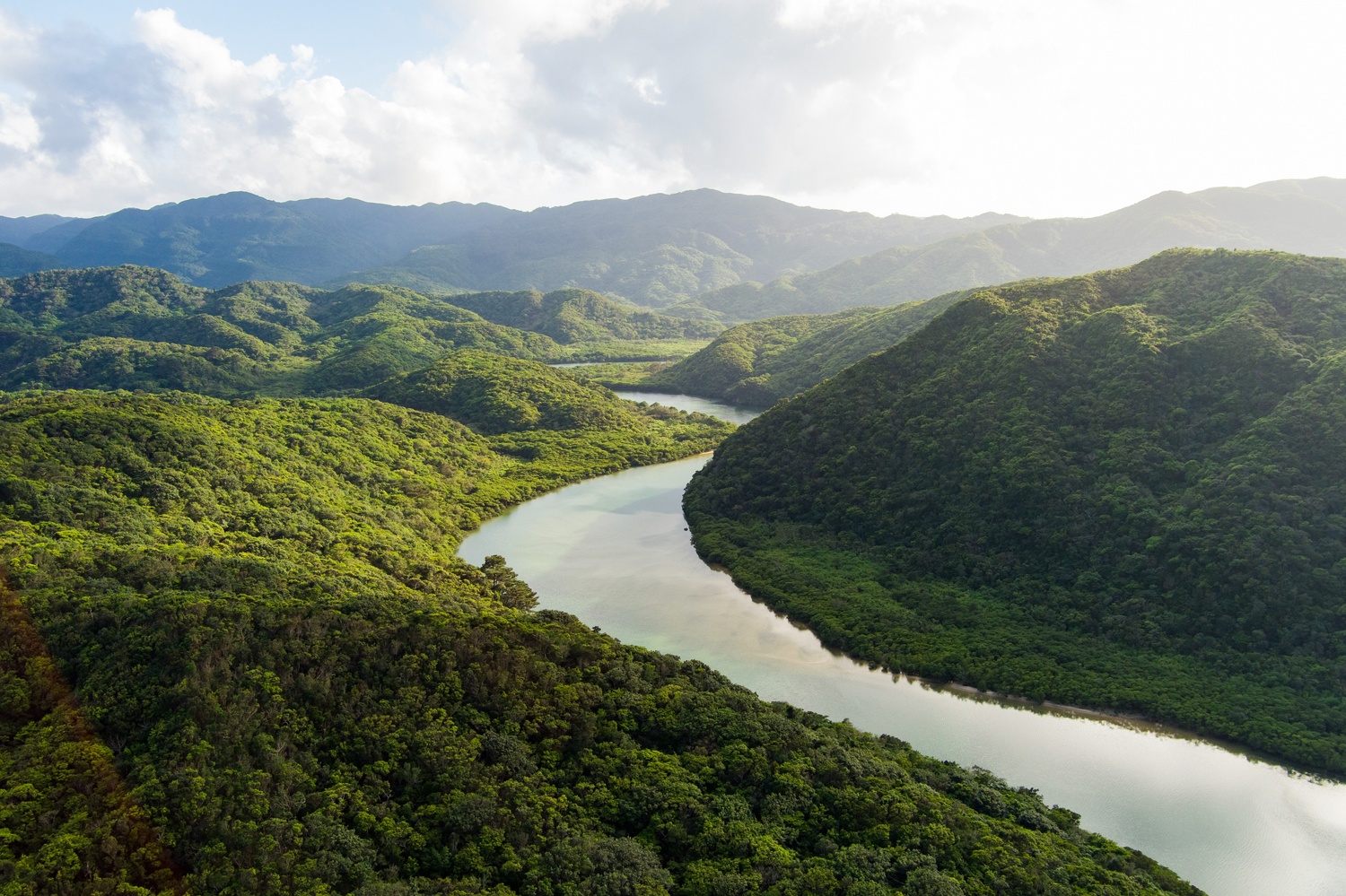
For a change of scenery, the wilderness of Iriomote is just a short sea transfer away. As the second-largest island in Okinawa prefecture and a cornerstone of the Iriomote-Ishigaki National Park, the island remains largely undeveloped, with 90 percent of its landmass still covered in dense, virgin vegetation.
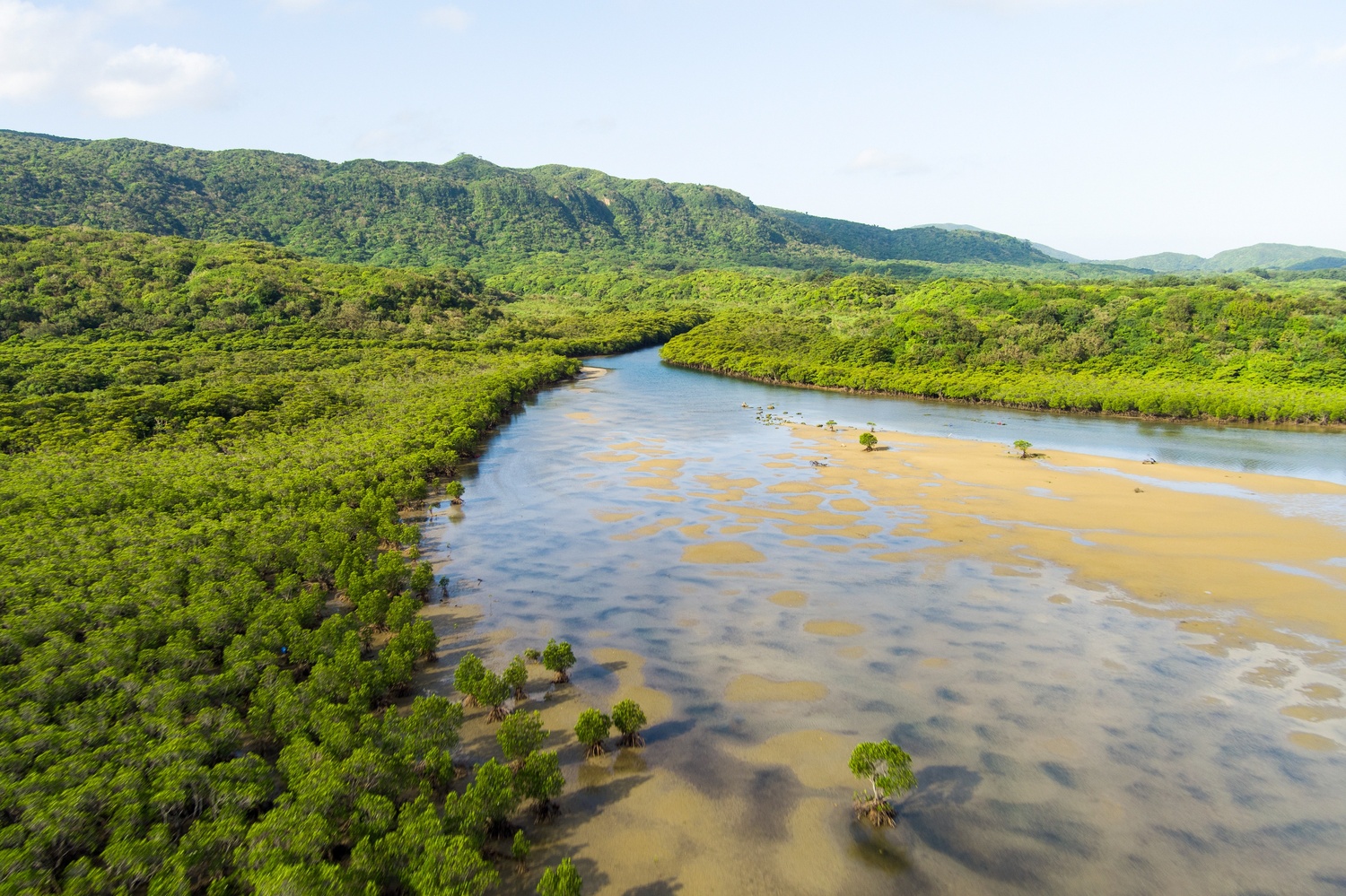
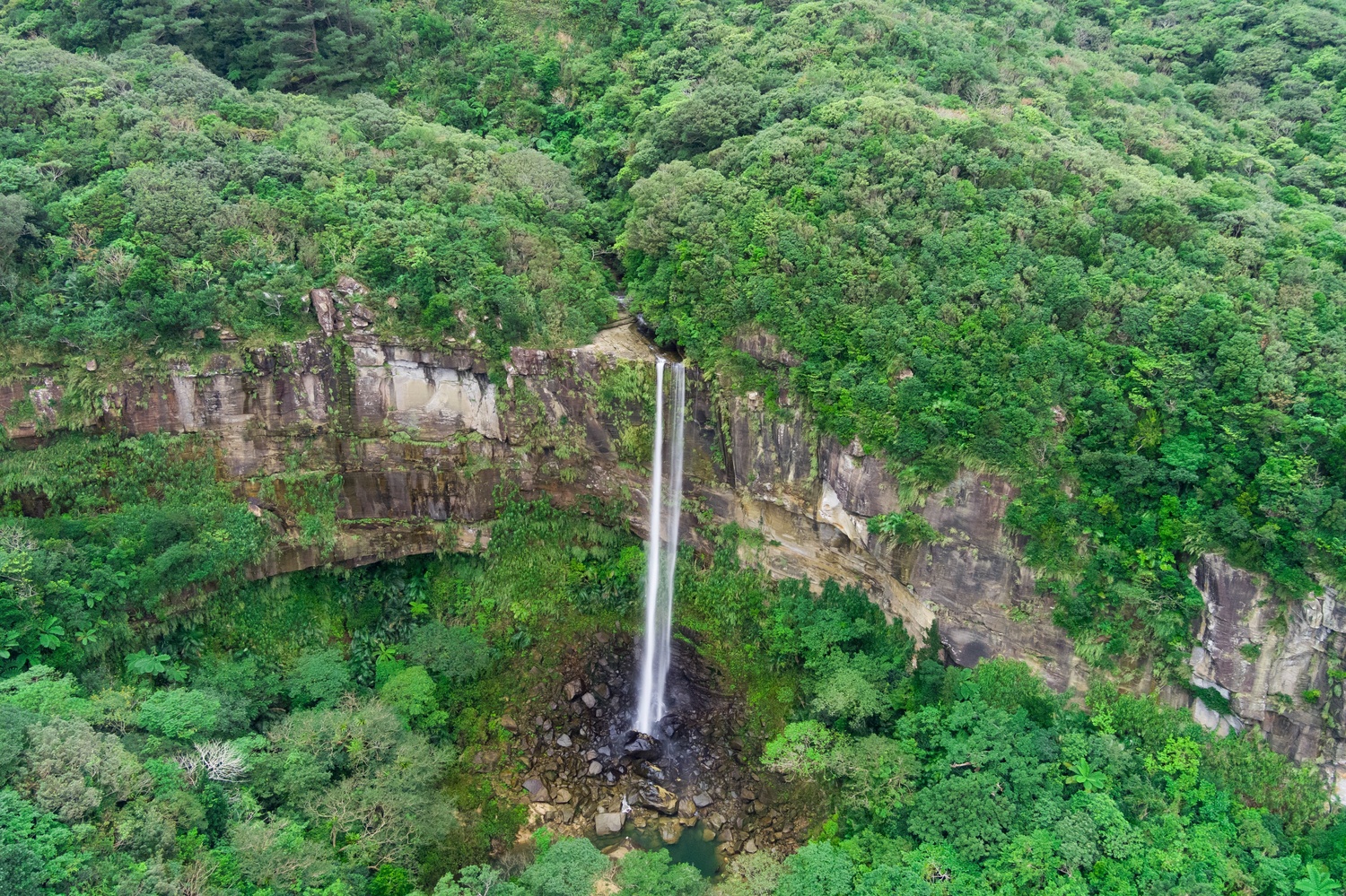
Iriomote is made for slow, mindful travel. Kayaking is a leisurely way to explore the coastal mangrove maze while a scenic river cruise up Urauchi or Nakama River goes deeper into the primordial jungles. Those looking to get active can trek further inland to reach three of the region’s most stunning waterfalls: Pinaisara Falls, Okinawa’s tallest with a 55-metre drop; the two-tiered Mariyudu Waterfall; and the sacred Kanbire Waterfall, whose name means ‘seat for the gods’. Make sure to keep an eye out for the elusive Iriomote Yamaneko, an endangered small wild cat that’s endemic to the island.
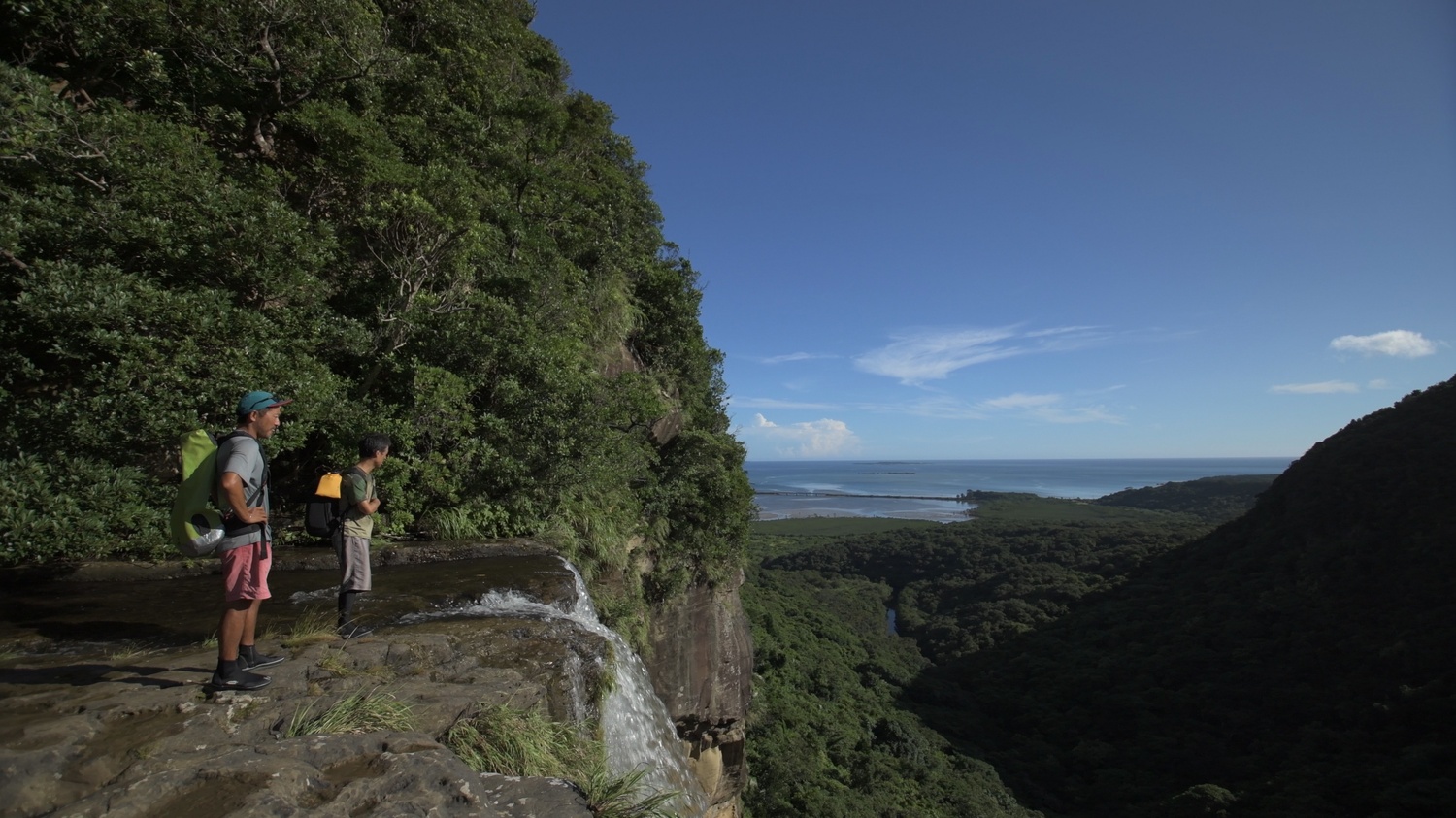
When night falls, the island reveals a different personality altogether. Iriomote is a certified International Dark Sky Park, and in the absence of light pollution, the heavens open up with planets, stars and the Milky Way on full display. Back on the ground, the forest also comes aglow, but with twinkling fireflies and for just a few months each spring.
Taketomi: Gentle Rhythm of Old Okinawa
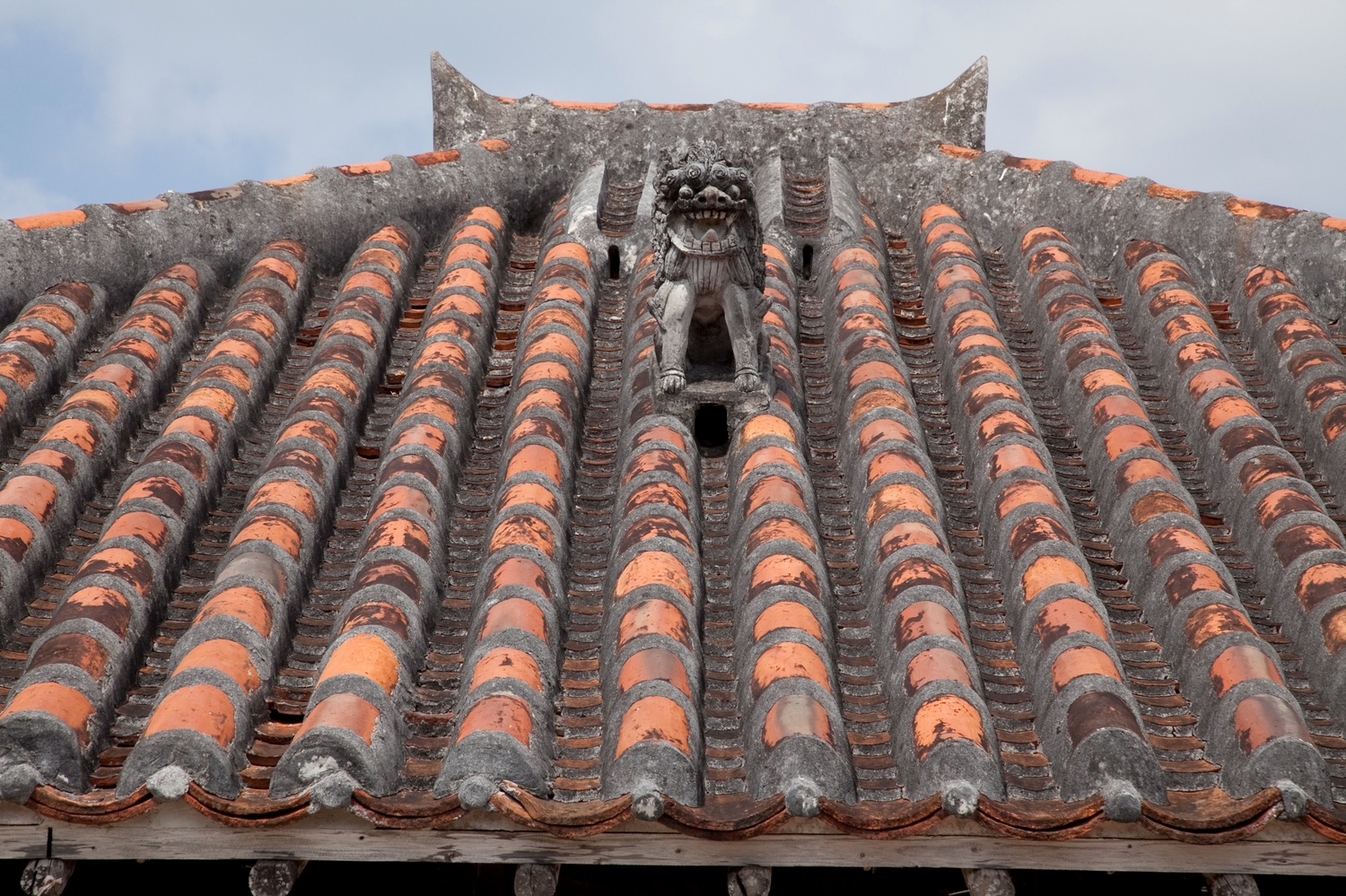
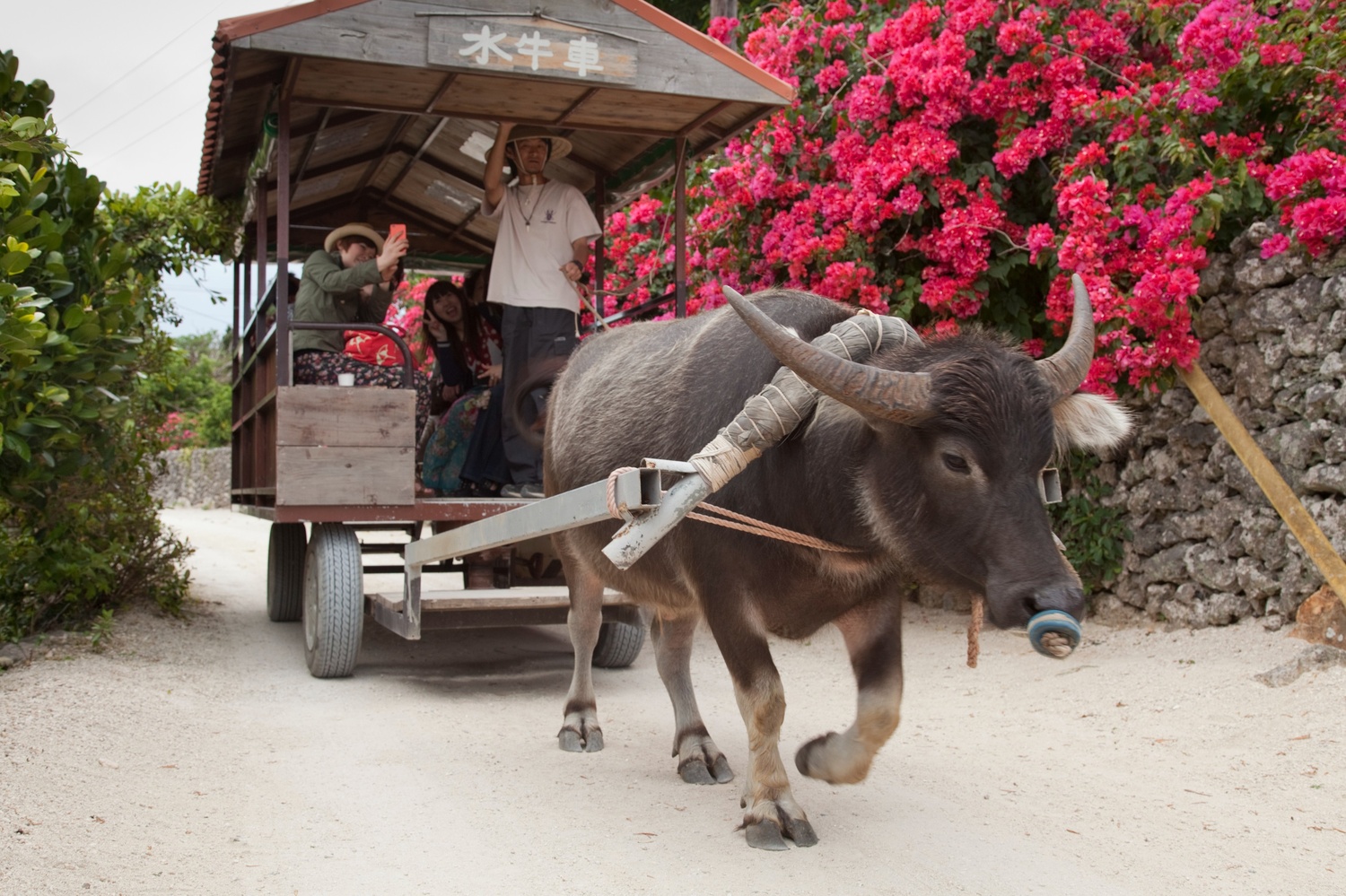
While Iriomote is a force of nature, Taketomi serves up a slice of traditional Ryukyu life. This compact island can be easily explored on foot or a bicycle, and it’s relaxing meandering through the meticulously preserved village. The sandy paths with stone hedges and groves of bougainvillaea, the modest wooden houses with shisa peering down from their red-tiled roofs… all feels like a land preserved in time. The village even offers nostalgic water buffalo-cart rides where the guides perform folk songs on sanshin, the traditional Ryukyuan three-stringed lute.
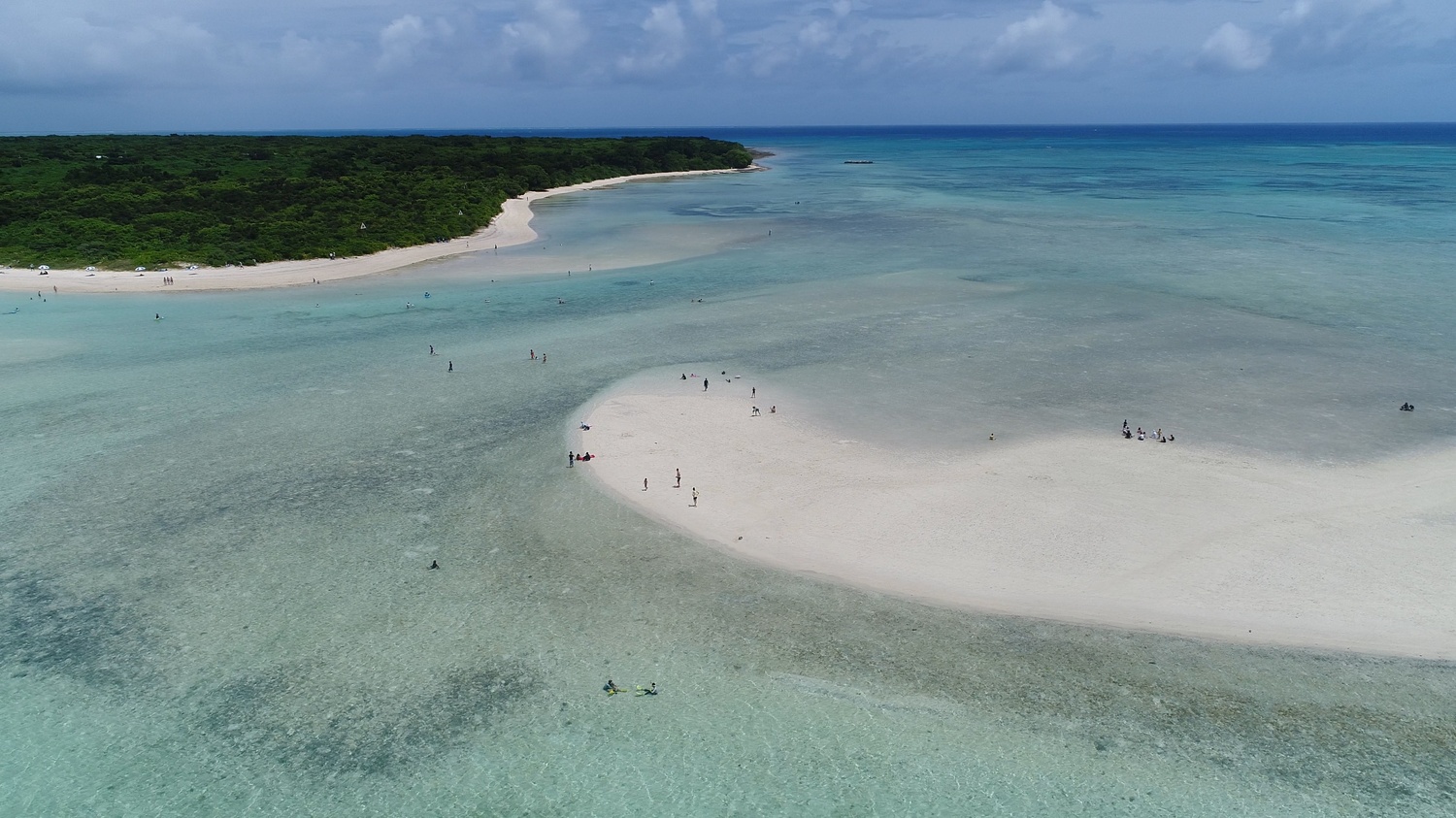
Just a stroll away lies the serene Kondoi Beach, whose calm water extends out to a shallow sandbar in the ocean. Nearby Kaiji Beach is more curious – its sand is composed of tiny stars. On closer inspection, these five-pointed grains are not actually sand but the shells of a marine organism known as foraminifera.
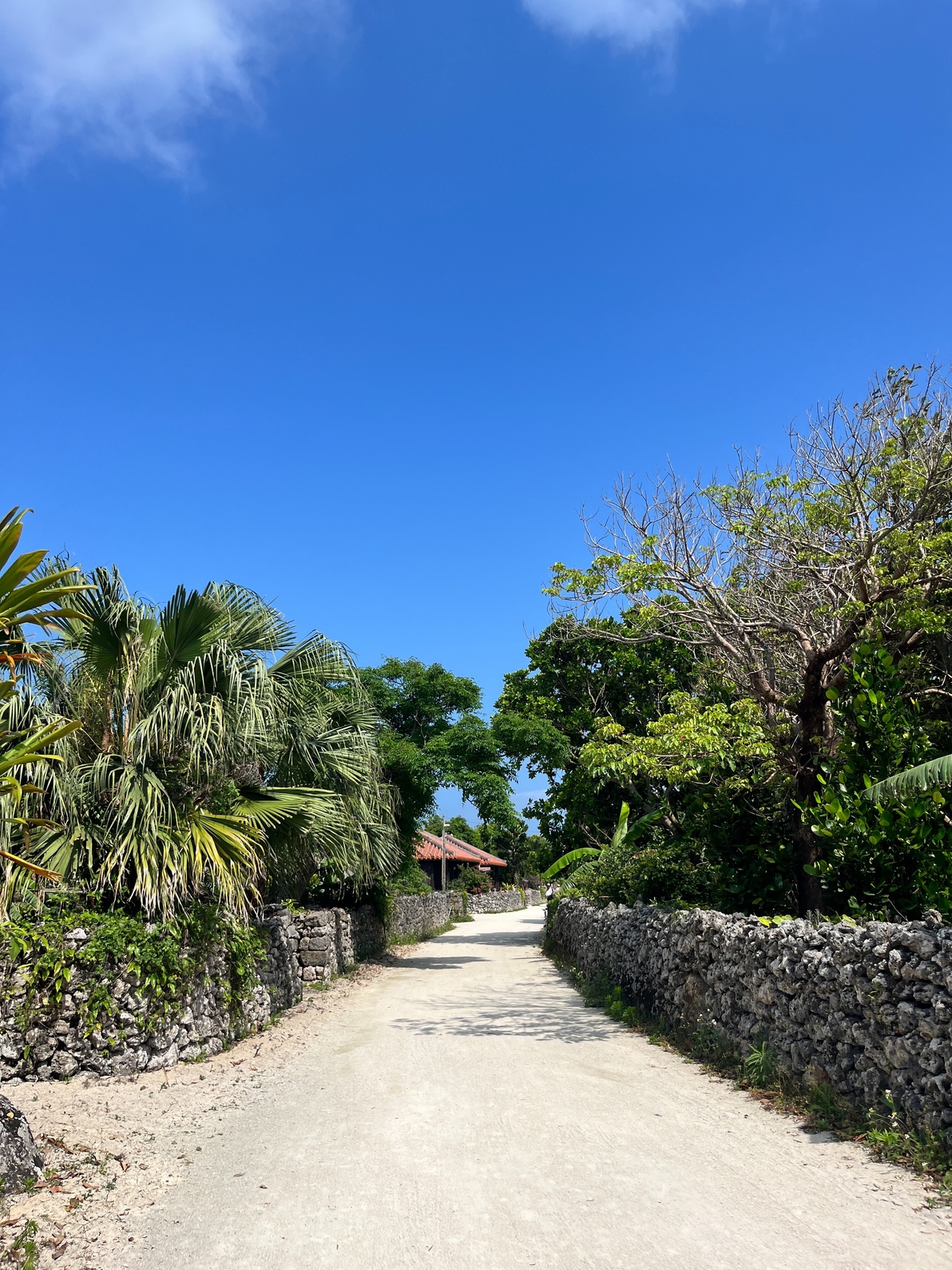
Here, sifting through these terrestrial stars in the middle of nowhere, it becomes clear that this is not the Japan of the popular imagination. The country may have topped many a bucket list in recent years, but Yaeyama still feels like a genuine discovery.
Singapore to Bhutan by Private Jet: A 48-Hour Himalayan Escape