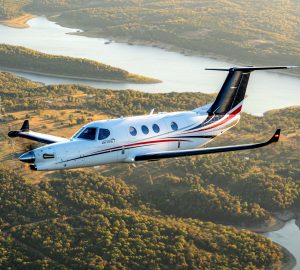


Asia’s New Private Jet Power Play
As Singapore and Hong Kong face fresh competition from Bangkok and Mumbai, Asia's elite aviation hubs are redefining luxury on the ground — where privacy, speed and service matter as much as time in the air.
By Robert Stedman
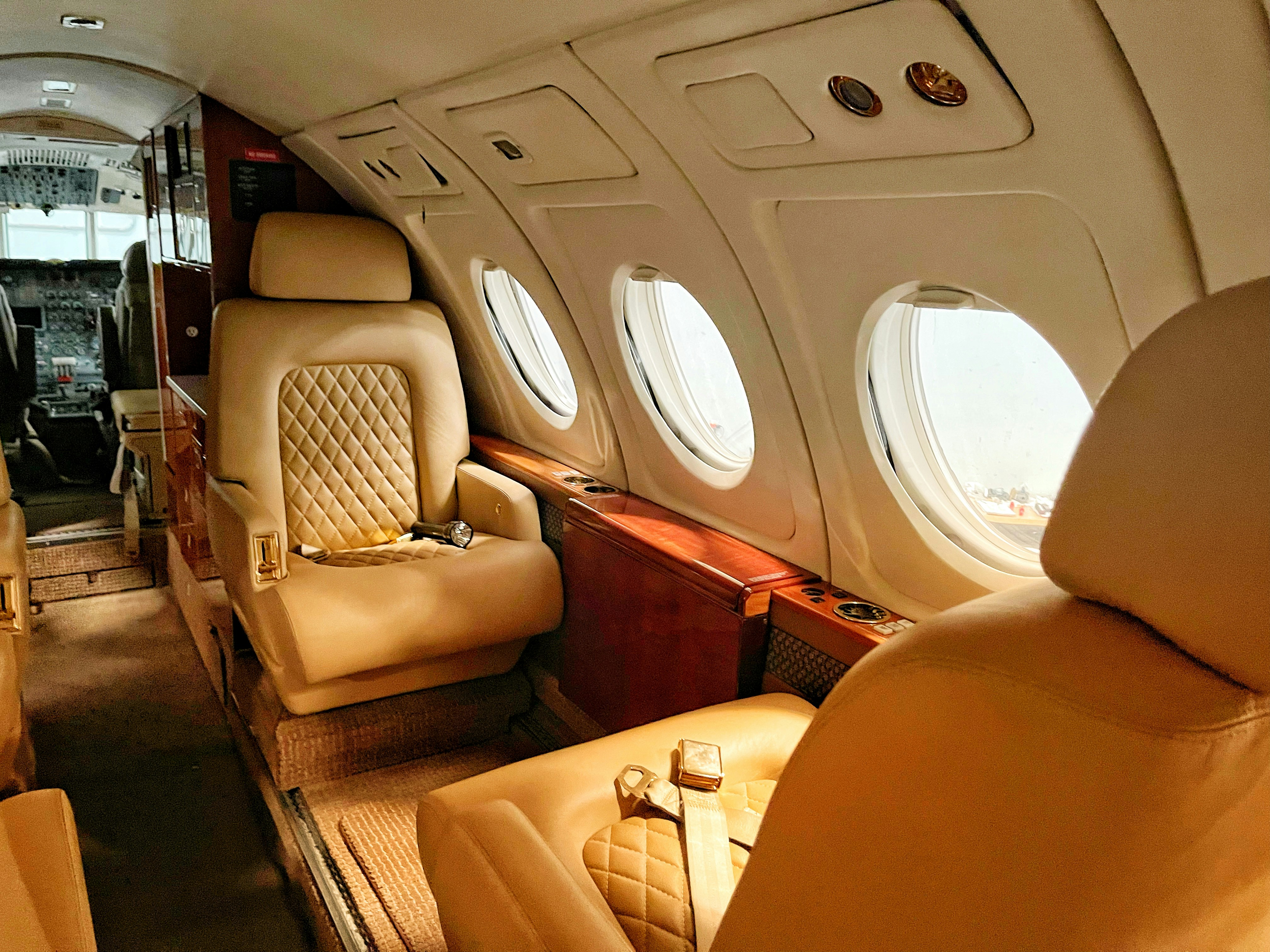
The private jet has long been the ultimate status symbol, but today, where you land it is becoming just as important as the aircraft itself. Across Asia, a quiet rivalry is unfolding as cities compete to be the region’s premier destinations for ultra-high-net-worth individuals who refuse to queue, wait, or compromise on privacy and security. Singapore and Hong Kong have led this arena for decades, but two new contenders, Bangkok and Mumbai, are quickly emerging as serious rivals.
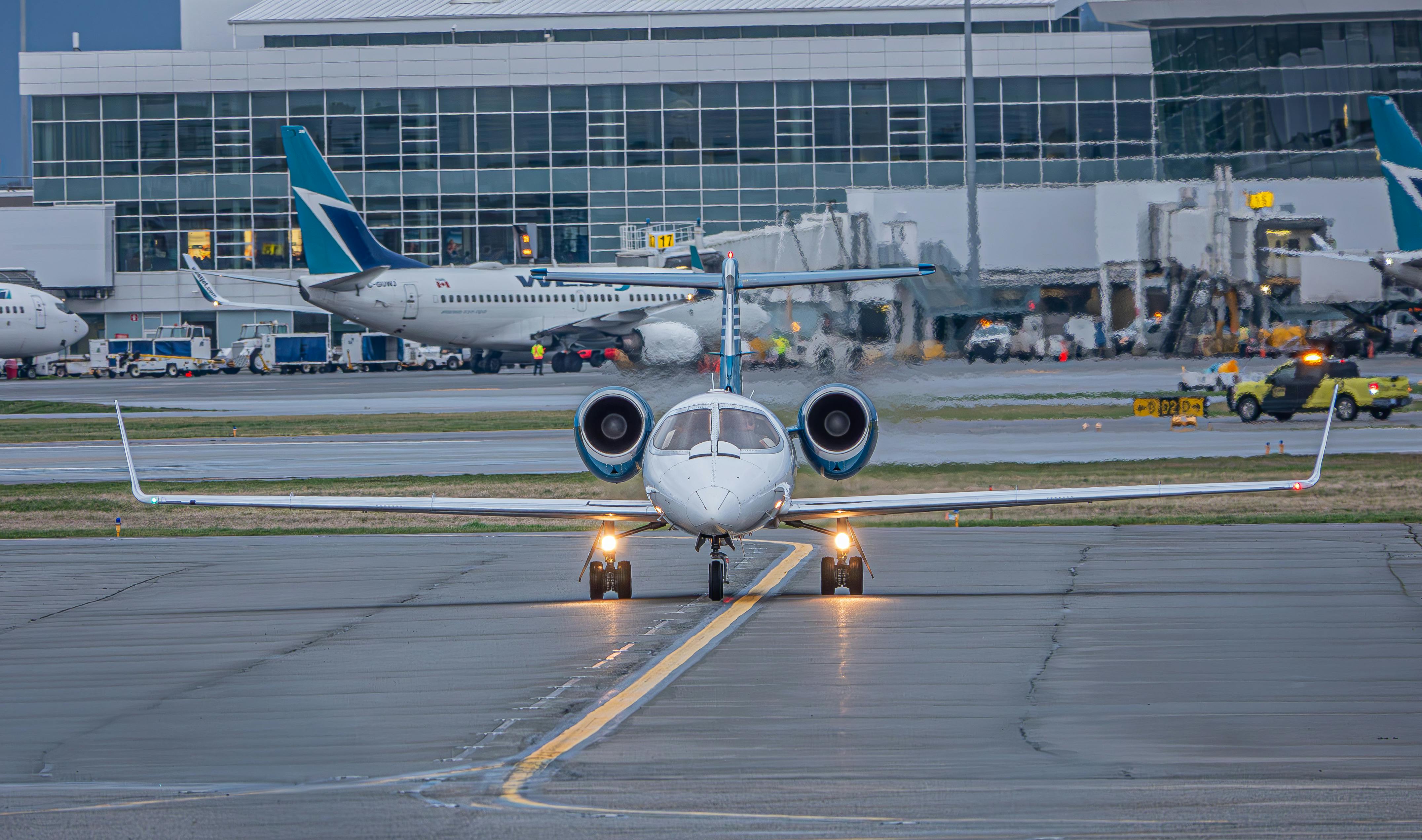
These services are provided by a Fixed-Base Operator (FBO), which is a commercial business that provides essential facilities to general aviation, private aircraft, and corporate flights.
They function as a private terminal, offering amenities like fuelling, parking, hangar space, maintenance, local transportation, passenger services, and lounges.
Singapore: Precision Meets Privilege
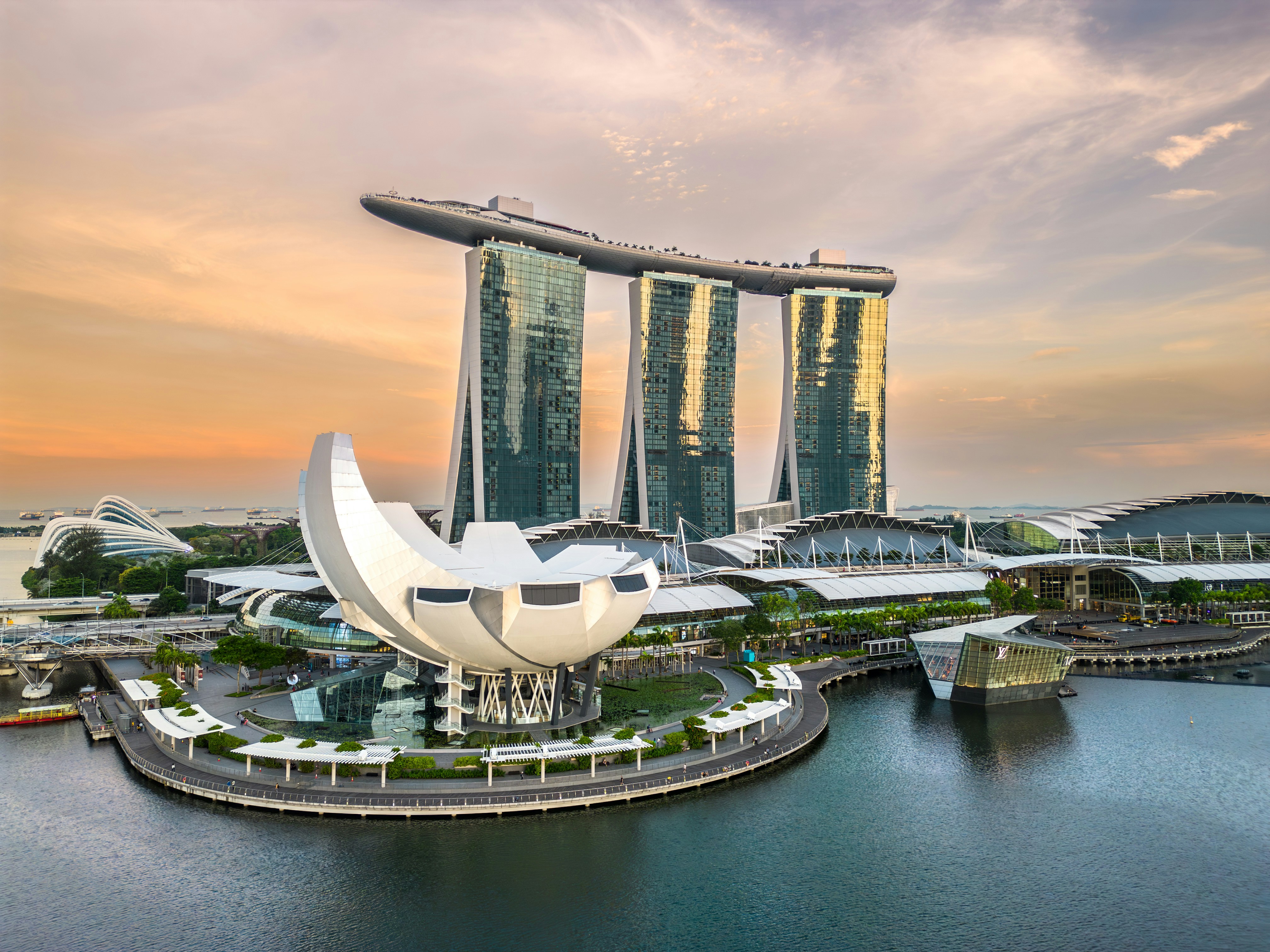
For a long time now, Singapore’s Seletar Airport has established itself as Southeast Asia’s premier private aviation gateway. The SATS Premier terminal operates with Swiss-watch precision -from touchdown to the town car, it takes less than 12 minutes. Immigration officers handle passport control within the private lounge while luggage is loaded into your vehicle as you wait.
Concierge teams arrange after-hours access to luxury boutiques on Orchard Road and can have a yacht waiting at Sentosa Cove before wheels touch the tarmac. The JetQuay CIP Terminal offers shower suites with Hermès amenities, private dining rooms with celebrity chef-curated menus, and soundproofed meeting rooms.
Singapore’s regulatory environment is equally appealing. Simplified customs processes, advantageous tax treatments for aircraft registration, and robust privacy protections establish it as a natural hub. Many UHNW families base their aircraft there, aware they can depart for Tokyo, Sydney, or Mumbai with minimal bureaucratic obstacles. Since 2023, Singapore has also been upgrading many of its FBO centres.
Hong Kong: Where Finance Meets the Skies
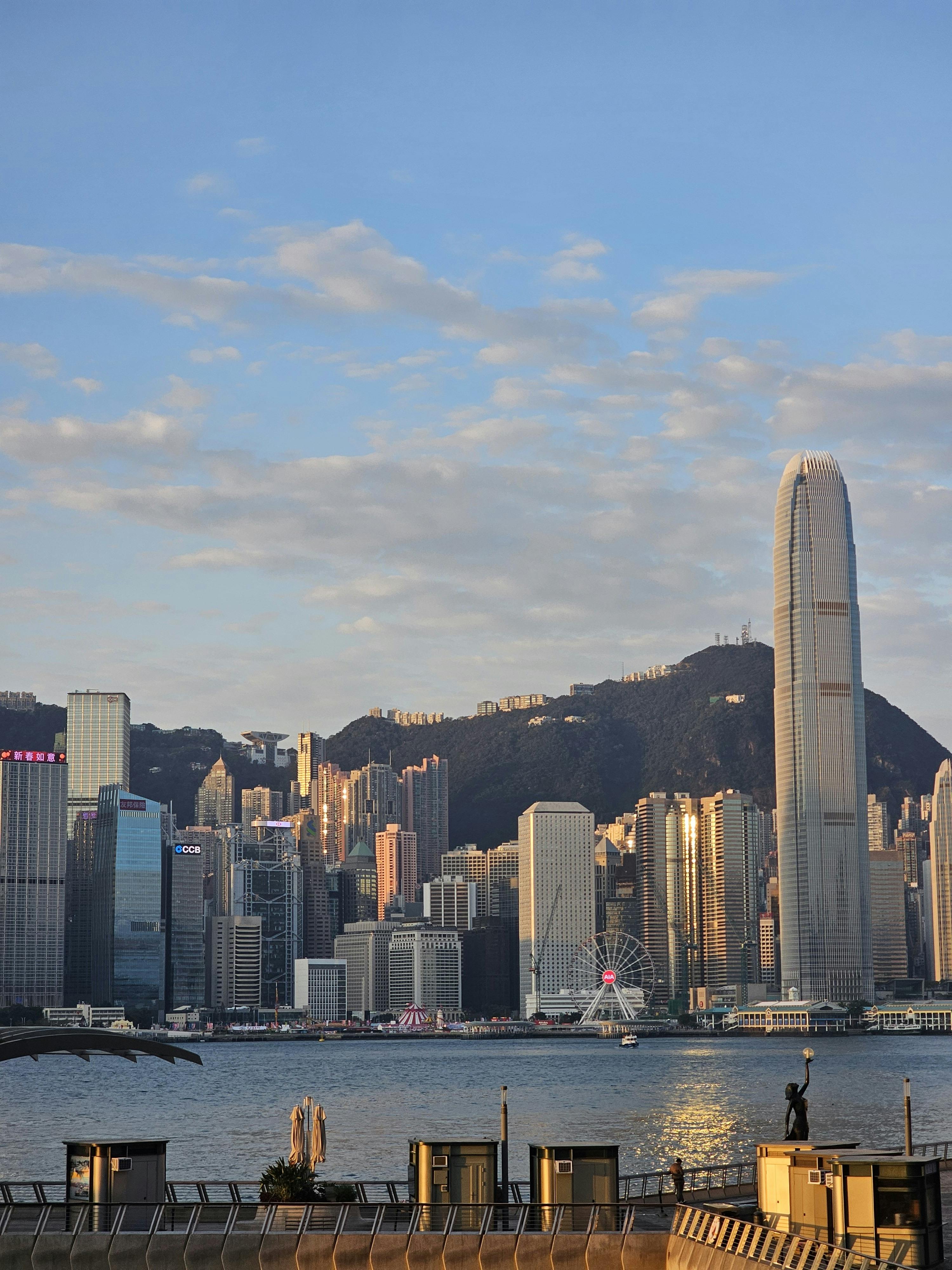
Hong Kong’s Business Aviation Centre at Chek Lap Kok caters to a specific clientele-deal-makers who spend more time in their Gulfstreams than in any single office. Private terminals feature Bloomberg terminals, secure video conferencing, and dedicated staff who understand that a delayed departure could mean missing a merger.
The Asia Pacific Aviation Services facility offers “boardroom suites” —private offices with runway views where billion-dollar decisions are made while waiting for weather clearance.
The Premium Plaza lounge features a curated wine cellar, climate-controlled cigar room, and spa treatment rooms. Concierge services secure impossible-to-book restaurant tables and arrange private art gallery viewings. Hong Kong’s FBOs never sleep.
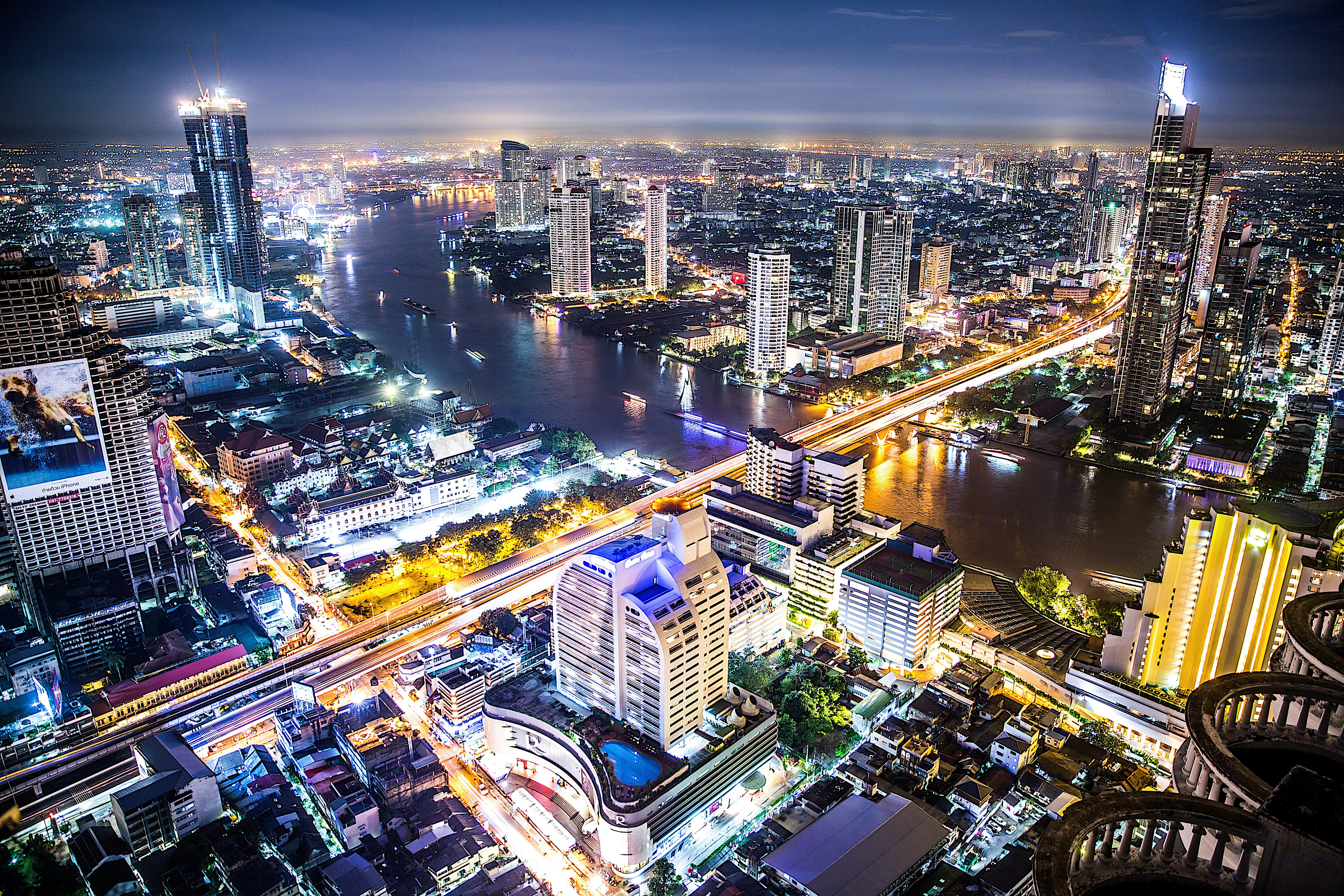
Bangkok: The Rising Star
Bangkok’s Don Mueang Airport has experienced a notable transformation. Its private aviation facilities now rival established hubs, providing uniquely Thai luxury that highlights warm hospitality rather than impersonal efficiency.
The Bangkok Jet Centre’s VIP terminal resembles a five-star resort more than an airport facility. Traditional Thai architecture features teak wood, silk furnishings, and water features that create a tranquil atmosphere. Travellers relax in pavilion-style suites with private gardens. The spa offers traditional Thai massage, and dining includes royal Thai cuisine prepared by palace-trained chefs.
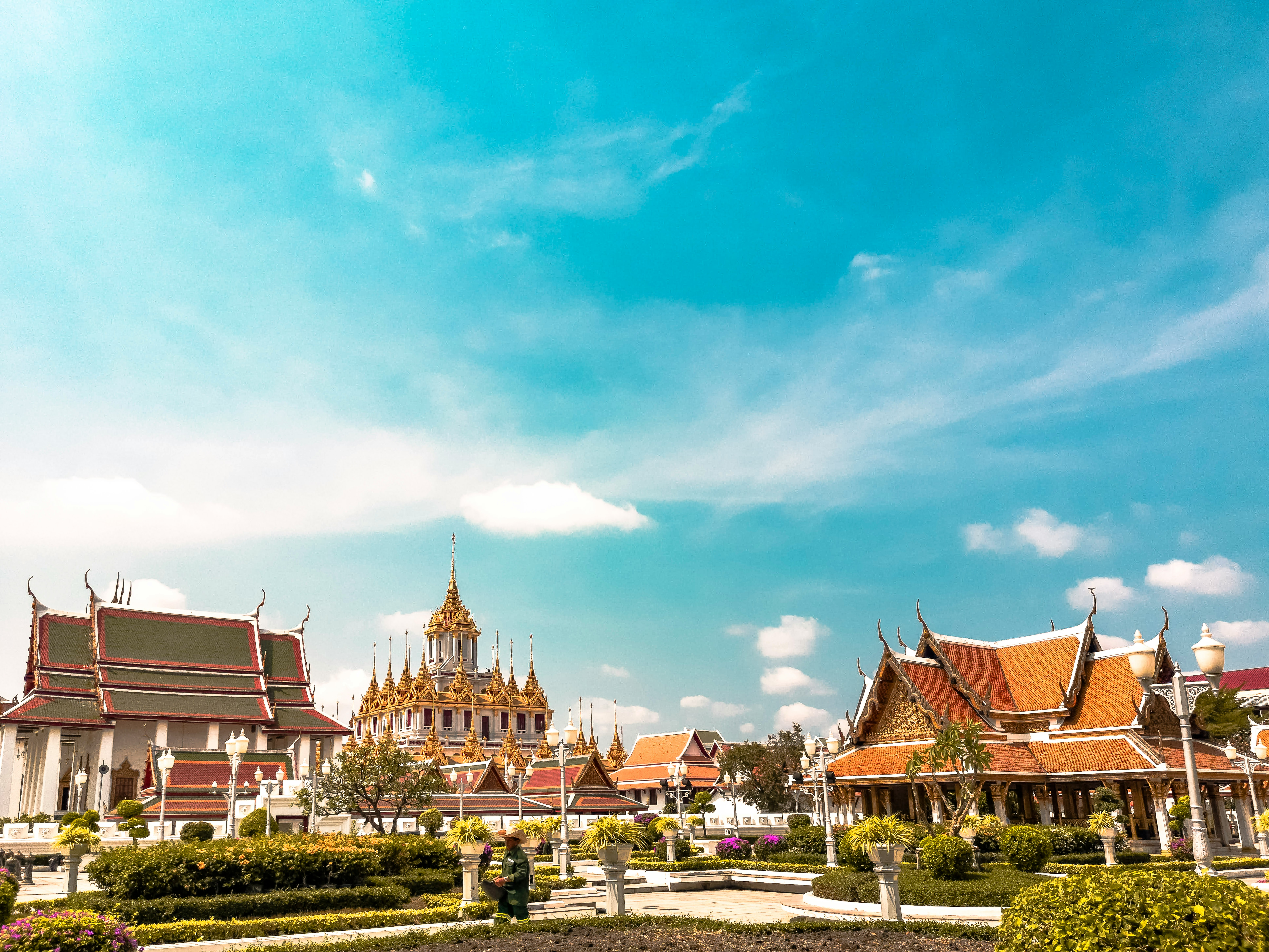
Bangkok provides experiences that go beyond logistics. Thailand’s lively luxury hospitality sector extends to private aviation, with service standards that many Asian travellers especially cherish. Concierge teams arrange private after-hours temple visits and appointments with sought-after wellness practitioners and medical specialists.
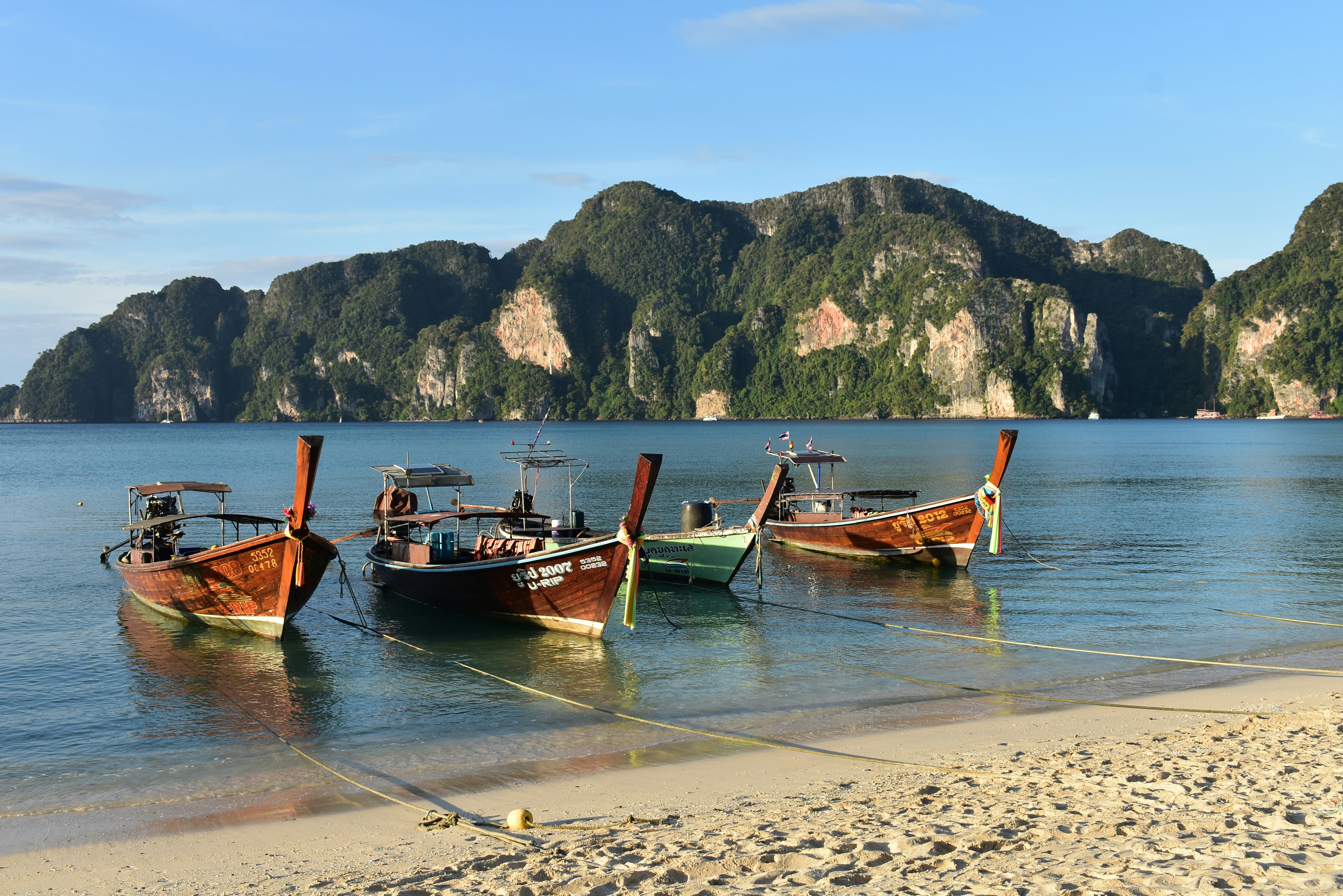
Bangkok’s location makes it perfect for reaching Southeast Asian beach destinations-Phuket, Koh Samui, and Myanmar’s Mergui Archipelago are easily accessible. The city is establishing itself as the gateway for ultra-wealthy travellers seeking wellness retreats and exotic escapes.
Mumbai: India’s Gateway Takes Flight
Mumbai’s growth as a private aviation hub reflects India’s economic rise. The airport’s private jet terminal has grown significantly, with new FBOs improving service standards while integrating distinctly Indian features.
Lounges showcase museum-quality Indian artworks, dining offers regional cuisines from across the subcontinent, and wellness facilities provide Ayurvedic treatments. Concierge services organise private palace stays in Rajasthan and secure reservations at Mumbai’s heritage clubs.
What Mumbai offers that other cities cannot is direct access to India’s extensive market and growing population of ultra-wealthy entrepreneurs. For families conducting business across Asia, Mumbai is becoming essential, and infrastructure is finally aligning with demand. The city’s connectivity to Goa, Udaipur, and Bangalore makes it indispensable for those with interests across the country.

The New Aviation Geography
The competition between these four cities reflects a broader shift in Asian wealth and demographics. No single hub dominates; instead, ultra-high-net-worth individuals choose locations based on specific needs.
Singapore offers regulatory advantages and regional connectivity; Hong Kong excels in financial services and operates 24 hours; Bangkok is known for lifestyle and wellness; while Mumbai provides access to India and emerging opportunities and markets. Whatever hub you choose, prices range from USD150 to USD1,500 (SGD190 to 1900) per person, depending on the number and type of services passengers select.
In the final analysis, the true winners are the travellers themselves, who now have access to multiple world-class options, each offering a unique approach to luxury, privacy, and service. The race for Asia’s ultra-wealthy aviation dominance may not lead to a single victor-but instead is shaping a network of excellence that serves the region’s most discerning travellers better than ever before.

Engineering Wellness At 39,000 Feet

Next-Generation Propulsion: Electric & Hydrogen On The Horizon