

10 Years at the Top: Inside the Cessna Citation Latitude
From stand-up cabin comfort to Starlink connectivity and runway flexibility, Textron Aviation's Cessna Citation Latitude continues to define what business aviation buyers actually want.
By Robert Stedman
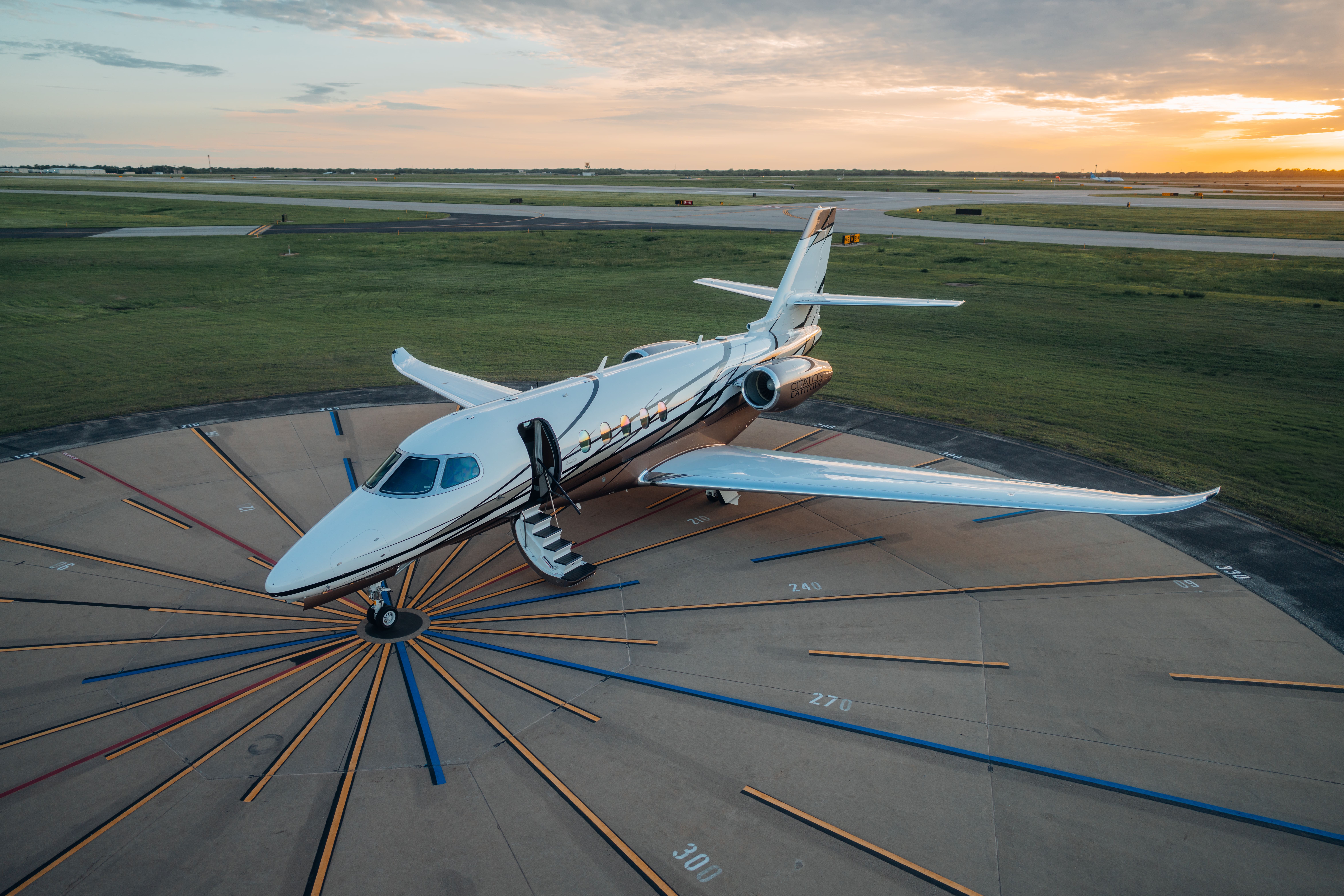
At the 2026 Singapore Airshow held earlier this year, one aircraft drew a longer line of curious visitors than any other on the static ramp at Changi Exhibition Centre. It wasn’t the largest, the fastest, or the newest aircraft on display. It was, however, the best-selling midsize business jet in the world – for the 10th year in a row.
The Cessna Citation Latitude, painted in a striking demonstration livery that set it apart from its neighbours, once again made its case to the Asia-Pacific market at the Singapore airshow with understated confidence. Textron Aviation, the manufacturer, was on hand to explain and demonstrate exactly why the aircraft has become such a success and retained its decade-long crown — and why more than 450 operators across 40 countries have chosen it since its introduction in 2015. That kind of sustained commercial success, in a segment as competitive as midsize business aviation, is anything but accidental.
Stand Up and Take Notice
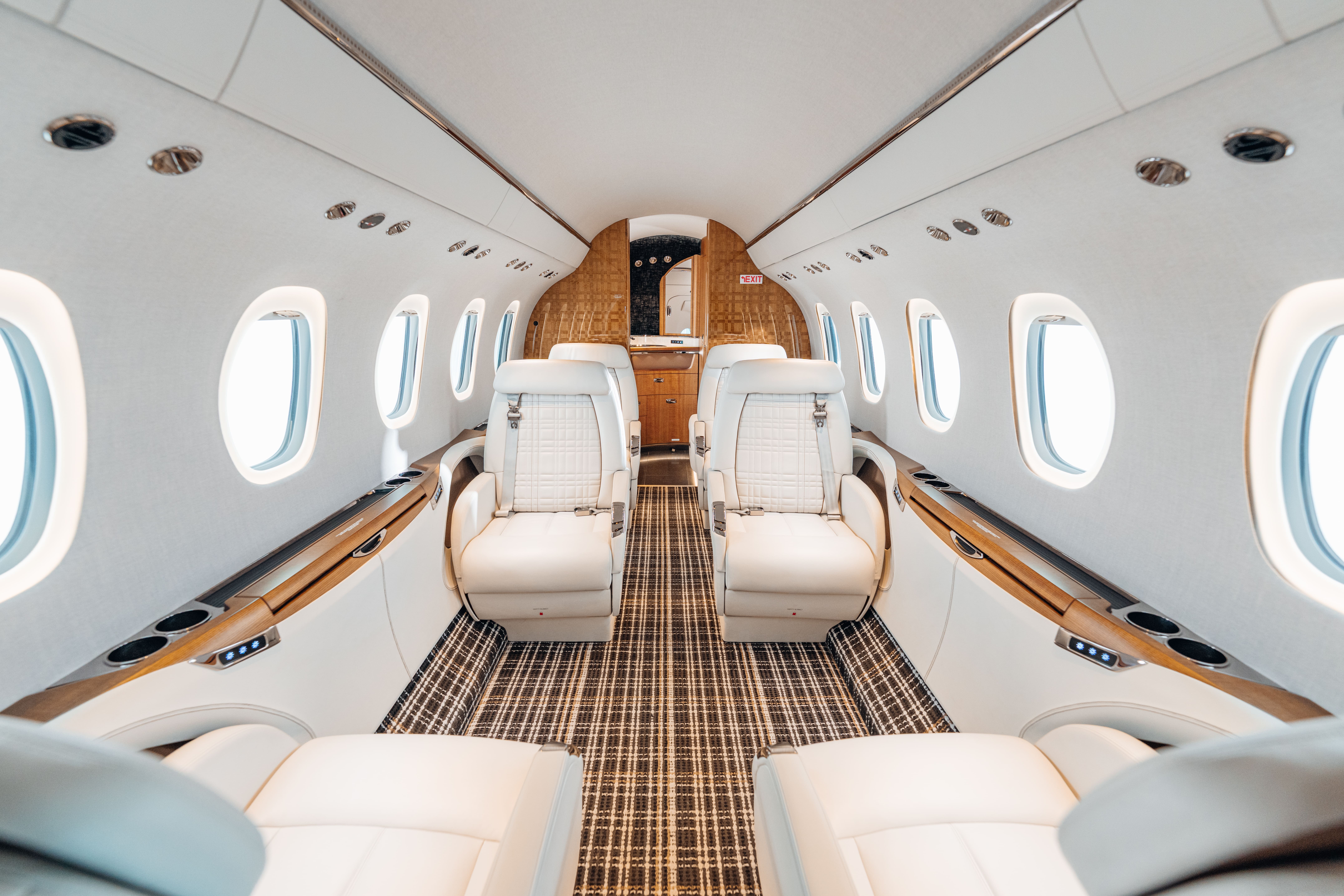
Step aboard through the electric airstair door, and the Latitude immediately makes its most compelling argument: You can stand up straight. At 6 feet (1.82 metres) of cabin height and with a fully flat floor, this cabin has no equivalent at the midsize price point. Rivals may offer a comparable range or similar seating configurations, but the sense of space — bright, airy, with 10 windows that are 30 percent larger than previous Citation models – belongs to a much higher category of jet.
The double-club seating arrangement accommodates up to nine passengers and offers Textron’s best in-class club legroom in the midsize category. The fully articulated seats recline into a flat-bed position without removing headrests — a small but telling detail that speaks to the Latitude’s broader design philosophy: Convenience and comfort should never be an afterthought.
A Cabin That Connects
Connectivity has become as important as legroom for today’s business traveller, and the Latitude doesn’t disappoint. Bluetooth and wireless cabin management are handled through a mobile app, allowing passengers to adjust lighting, climate, and the entertainment system from their own devices without pressing a single overhead button. The aircraft now also supports a factory-certified SpaceX Starlink installation — a significant upgrade for Asia-Pacific operators where traditional inflight Wi-Fi frequently loses signal over open-ocean and remote terrain.
Leveraging Low Earth Orbit satellite technology, Starlink brings consistent, high-speed connectivity to routes that have historically been dead zones — whether flying from Jakarta to Shanghai, Bangkok to Tokyo, or Singapore to Delhi. For passengers accustomed to staying productive at 45,000 feet, this is no small upgrade. It also signals a broader shift in how operators are thinking about the cabin: Not merely as a place to sit, but as a mobile office worthy of the journey.
Sustainable by Design
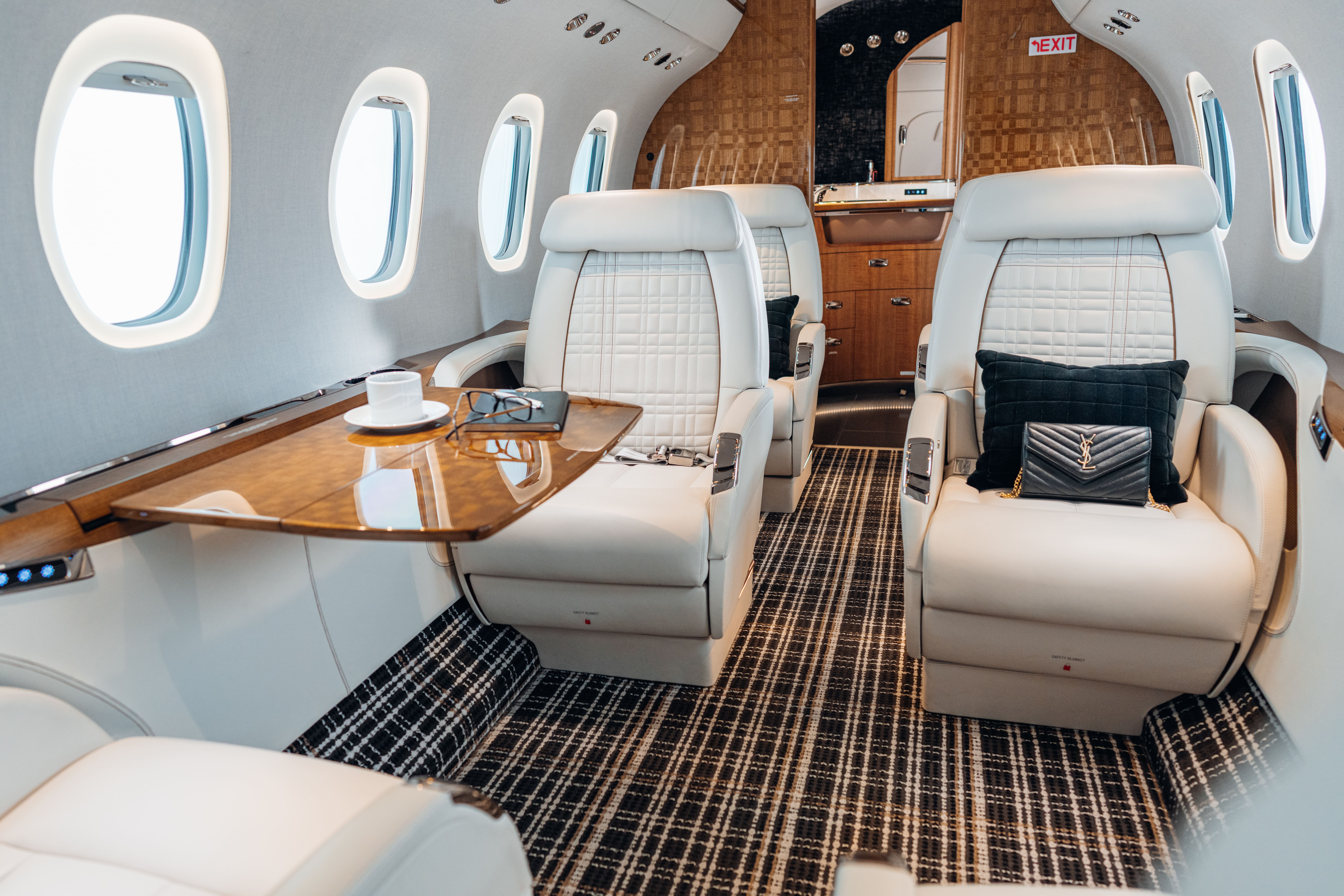
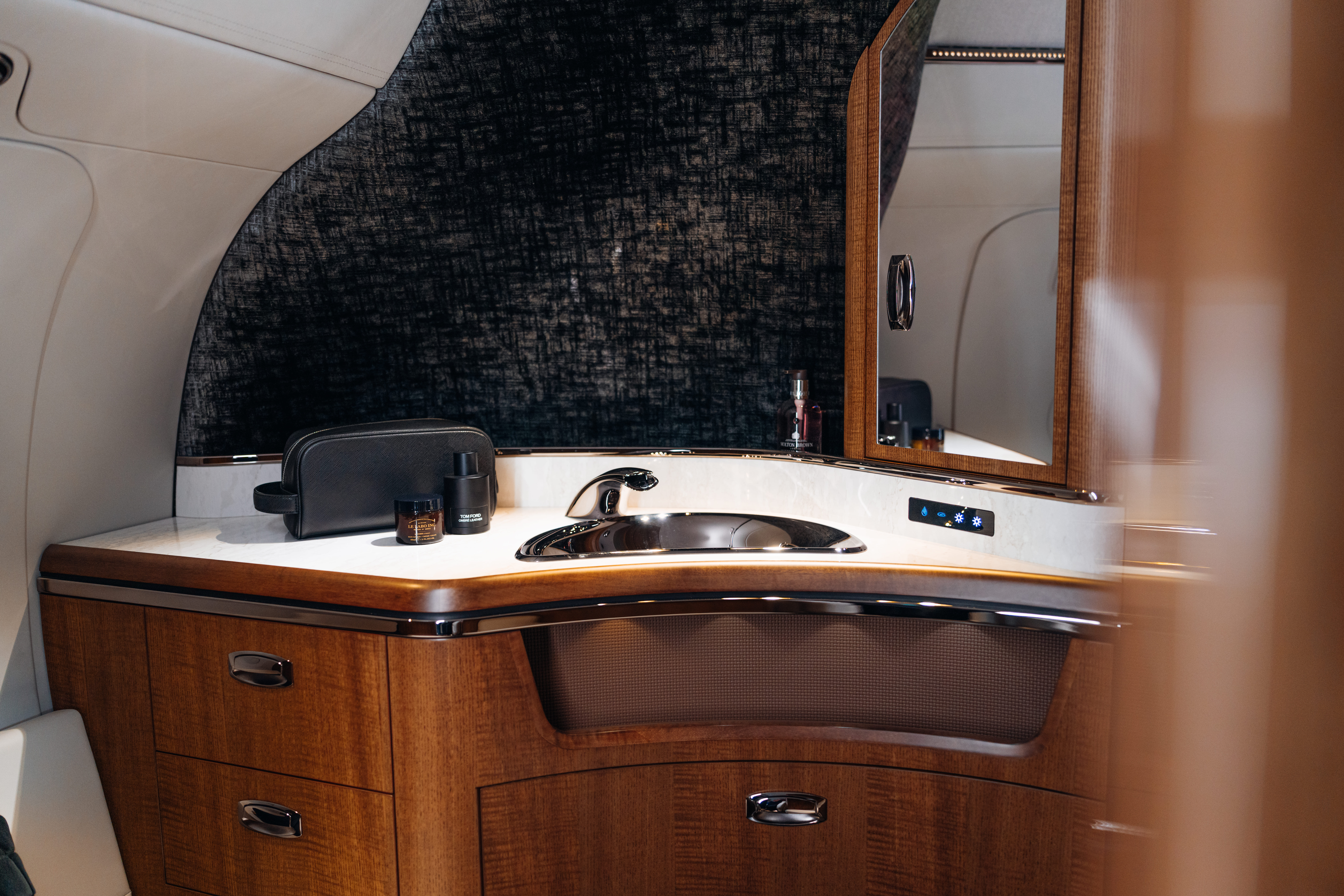
The demonstrator aircraft at Singapore showcased just how far bespoke or customised interiors have come. Quilted embroidery, custom carpet designs, and personalised trim options illustrated the range of possibilities available to buyers – including stone flooring in the galley and monogrammed seat covers. Six standard interior schemes are offered as baseline options, but the Latitude is increasingly being chosen as a canvas for personal or corporate expression.
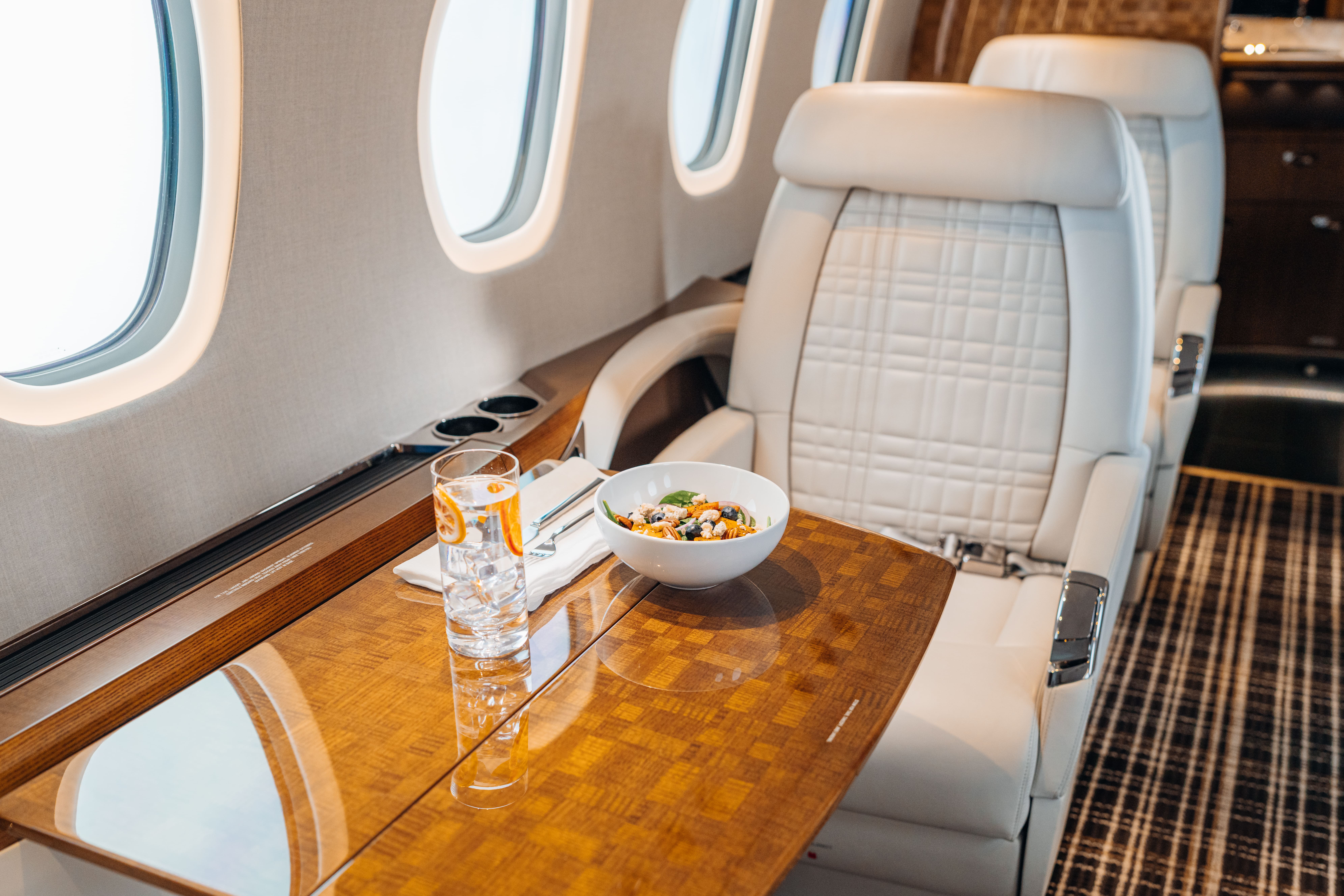
As a nod to environmental awareness, Textron Aviation has also embedded sustainability into its materials sourcing and use. Textiles, carpets, and leathers are 100 percent natural and cradle-to-cradle (C2C) certified, meaning they biodegrade safely at end of life. Surplus leather, wood, and fabric scraps are reclaimed and repurposed by interior designers into new composite finishes. This is a circular approach that produces genuinely striking results without compromising the finish standard expected at this level of private luxury aviation.
Additionally, the aircraft is designed with convenient and accessible storage available throughout the cabin. This supplements the generously sized external baggage compartment, which features a class-leading threshold and integrated access steps, with additional capacity of up to 1,000 pounds (450kg) and 100 cubic feet (2.8m’).
Performance That Opens Doors — Literally
For APAC operators, cabin comfort only matters if the aircraft can get you where you need to go. The Latitude’s 2,700-nautical-mile (5,000 km) range covers the region’s most important business routes, while a maximum climb rate of 3,800 feet per minute means less time in the climb and more time at cruise altitude.
More importantly for a region rich in secondary and tertiary airports, the Citation Latitude’s class-leading take-off field length of just 1,091 metres (3,580 feet) unlocks airstrips that larger jets cannot use. That kind of operational flexibility — the ability to fly point-to-point without the delays and indignities of major hub airports — is precisely what the APAC business and private aviation market demands.
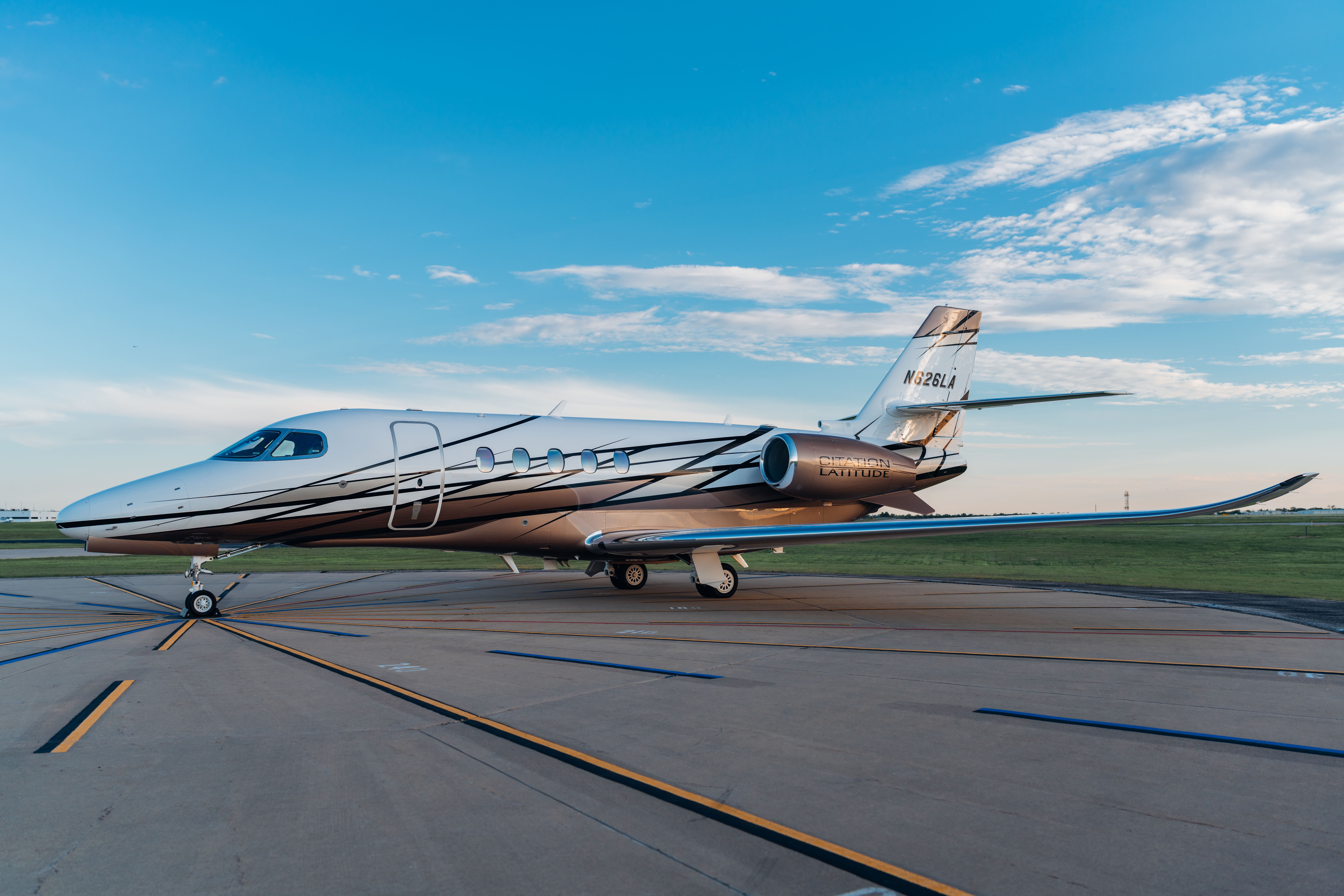
An advanced airframe built with lightweight composite materials keeps operating costs lean while extending range – balancing performance and economy in a way that has kept fleet operators loyal through a decade of deliveries.
Ten consecutive years at the top of the midsize segment is a record that speaks for itself. At Singapore 2026, the Citation Latitude showed there is no sign of that changing.

Singapore to Bhutan by Private Jet: A 48-Hour Himalayan Escape
The New Ultra-Long-Range Race