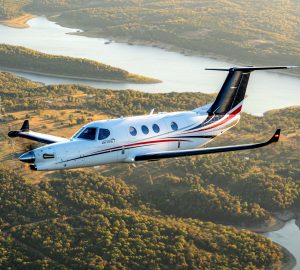


New Private Jet Hubs: Remote Yet Advanced Aviation Gateways
From the Patagonia to Rwanda, a new wave of private aviation hubs is transforming remote destinations into seamless gateways for the ultra-wealthy — proving that in luxury travel, infrastructure is the new indulgence.
By Robert Stedman
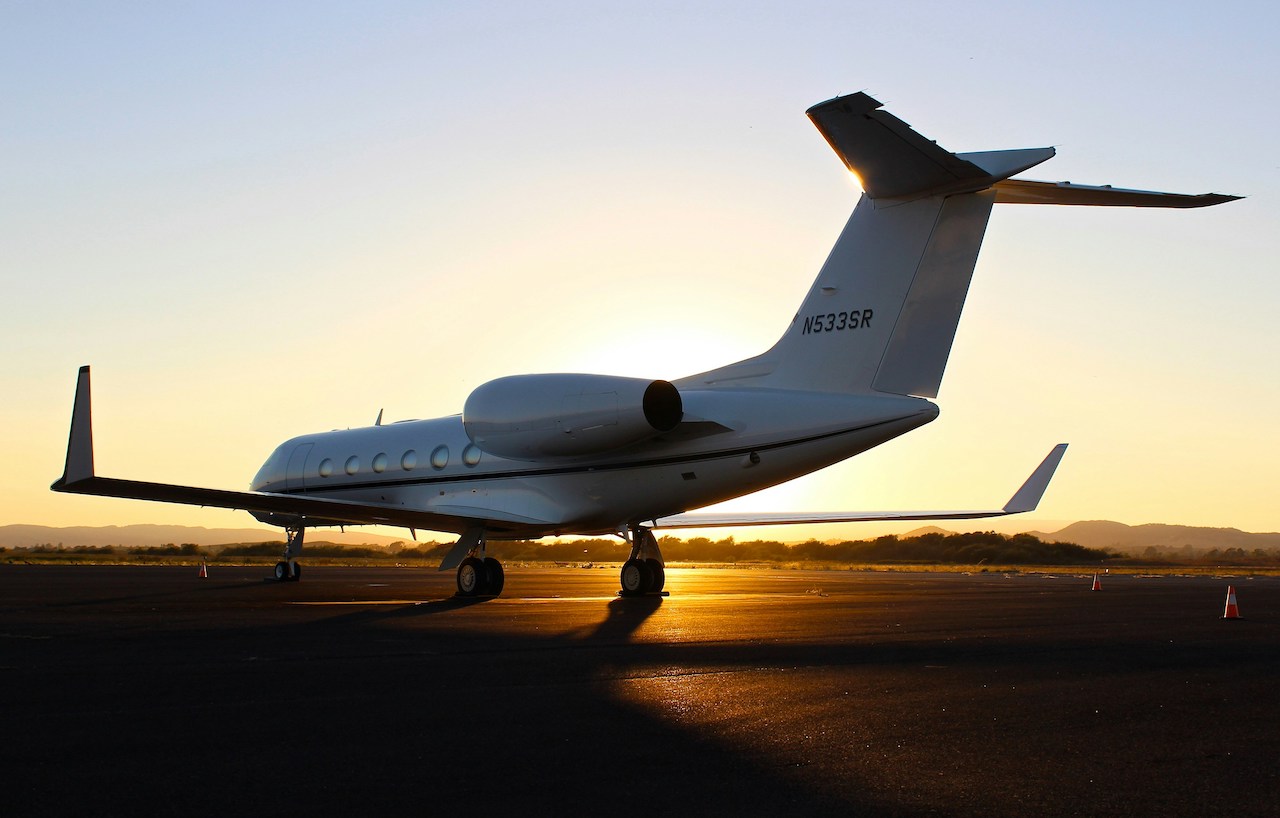
The private aviation landscape is being reshaped. While traditional strongholds such as Teterboro and Nice continue to serve the ultra-wealthy, a cluster of emerging destinations is attracting the attention of private jet travellers seeking the next hidden paradise. These are no longer just remote locations with landing strips — they are advanced aviation gateways supported by tens of millions in infrastructure investments, offering amenities that rival those of more established hubs.
The Maldives: Paradise Upgraded
Five years ago, flying privately to the Maldives involved contending with limited ground services and outdated facilities. Today, Velana International Airport’s nearly S$20 million private terminal has completely transformed the arrival experience. The facility, which opened in 2023, offers dedicated customs clearance, climate-controlled hangars, and direct seaplane transfers to resort islands-removing the need to go through the traditional commercial terminal, which once diluted the exclusive nature of arrivals.
“We’re seeing a 40% year-over-year increase in private jet movements,” says Ahmed Nasheed, director of aviation development for the Maldives. “The infrastructure investment was essential. Our clients expect seamless service from wheels-down to villa check-in.”
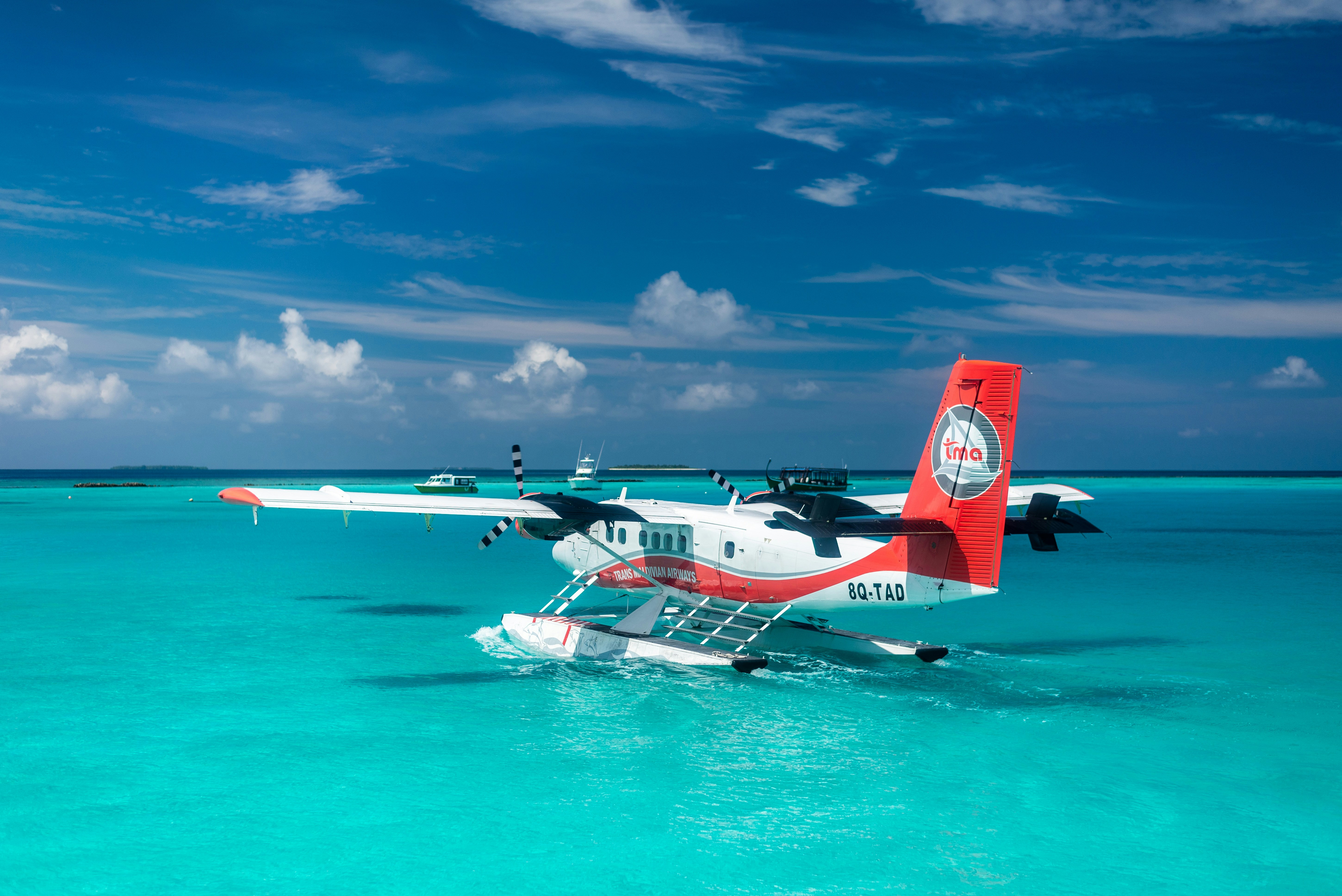
The transformation extends beyond Male. Private aviation firms have set up floating FBOS— luxury lounges on pontoons-at remote atolls, enabling jets to drop off passengers who then transfer to waiting superyachts without ever landing on terra firma. This is the sort of bespoke logistics that characterises modern ultra-luxury travel. In aviation, FBO stands for Fixed-Base Operator, a company that offers essential services for general aviation (private, corporate), including refuelling, hangar space, parking, maintenance, and VIP passenger facilities such as lounges and ground transport, acting as a one-stop shop for those flying privately. FBOs can charge anything from a few hundred to thousands of dollars for their services.
Patagonia’s Aviation Awakening
Once the domain of adventurous backpackers and occasional cruise ship passengers, Patagonia has transformed into a hotspot for private aviation. Argentina’s San Carlos de Bariloche and Chile’s Punta Arenas have both introduced modernised private terminals in the past three years, with total investments exceeding US$25 million.
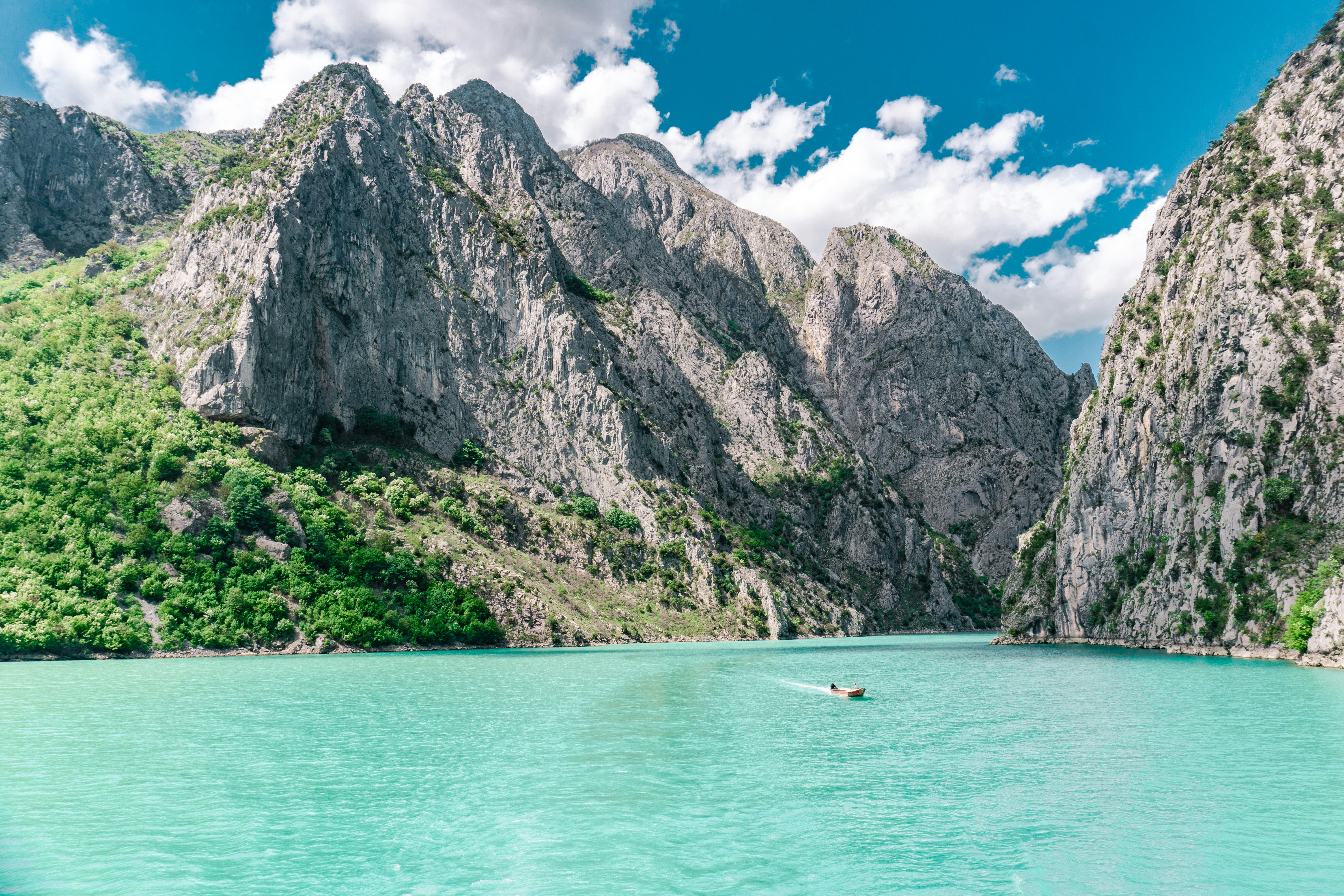
The new Bariloche FBO, opened in late 2023, features heated hangars —vital for the region’s severe winters-full aircraft maintenance services, and concierge arrangements spanning glacier helicopter tours to private estancia bookings. The facility has already hosted several heads of state and numerous tech billionaires seeking off-grid privacy. Patagonia provides something money can hardly buy anymore: genuine remoteness combined with world-class amenities.

Albania’s Riviera Revolution
Europe’s surprising addition to the private jet scene is Albania’s southern coast. Vlore International Airport, which started building a private terminal in 2022, is establishing itself as the gateway to the “last undiscovered Mediterranean.” The nation’s visa-free policies for most nationalities, alongside UNESCO World Heritage sites, stunning beaches, and fewer crowds than in Croatia or Greece, have attracted discerning, well-heeled travellers.
Private aviation traffic to Albania increased by 300% between 2021 and 2024, according to industry data. The new FBO offers competitive fuel prices and a strategic location— only 90 minutes from both Rome and Athens-making it an ideal addition to the Mediterranean circuit.

Rwanda’s High-Altitude Hub
Kigali International Airport’s new private aviation terminal is Africa’s most ambitious FBO project outside traditional safari gateways. The US$18 million facility, opened in 2024, acts as the gateway for gorilla trekking experiences and luxury developments around Lake Kivu.
Rwanda intentionally positioned itself as a premium destination rather than competing on volume, with infrastructure to match. The terminal features one of the continent’s most advanced meteorological systems-vital for operating in the country’s complex topography-and partnerships with conservation organisations that arrange exclusive primate experiences.

The Infrastructure Arms Race
What unites these diverse destinations is the realisation that attracting affluent travellers requires more than just natural beauty or cultural attractions. It demands infrastructure that smooths out turbulence from the travel experience.

“The private aviation customer expects the same level of service whether landing in Geneva or Galápagos,” notes James Williamson, CEO of airport management company Veaxo. “Destinations that understand this are winning market share from established locations resting on their laurels.”
These emerging havens are more than just new points on a map. They indicate a larger shift in luxury travel-away from crowded traditional destinations and towards exclusive, infrastructure-supported access to the world’s remaining pristine areas. For those able to fly privately, the world has become considerably larger.

Engineering Wellness At 39,000 Feet

Next-Generation Propulsion: Electric & Hydrogen On The Horizon