


How Individuals Are Approaching Long-Term Fertility Planning
As individuals delay parenthood to pursue personal and professional goals, understanding fertility health and available options is becoming an important consideration for future family planning.

It is no secret that Singapore has been grappling with declining birth rates in recent years. Many, including high-net-worth individuals, are very much focused on advancing their professional lives. For some, the freedom to pursue travel, personal development, and a fast-paced lifestyle makes starting a family feel incompatible with their current priorities. As a result, parenthood is often postponed.
Fortunately, advances in modern fertility preservation options have made it possible to plan more strategically — allowing individuals to secure their reproductive future without sacrificing present ambitions.
Understanding Fertility Decline
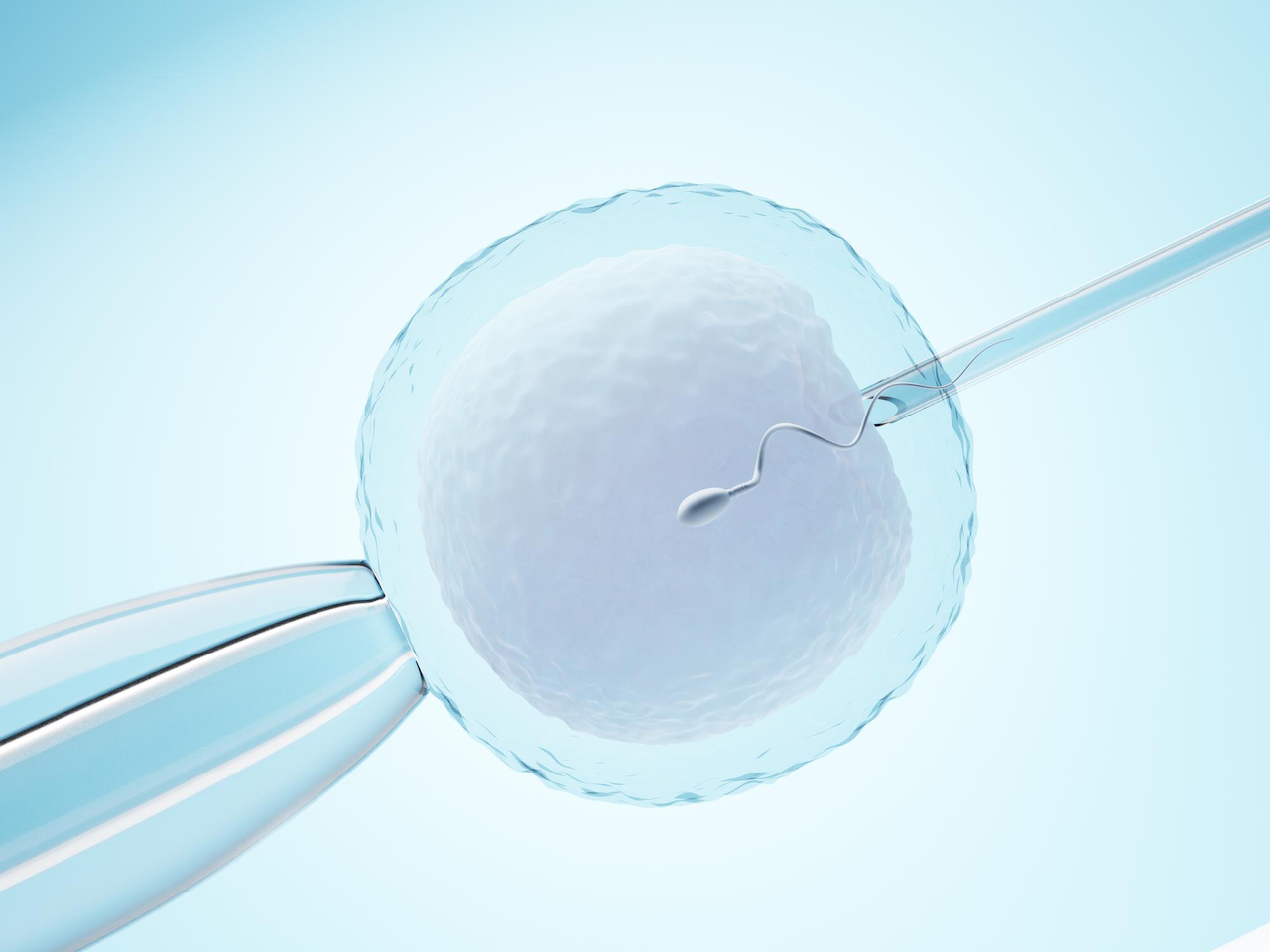
Fertility declines with age regardless of gender. Even with assisted reproductive technologies such as IVF, success is not guaranteed, contrary to popular belief. According to the US Centers for Disease Control and Prevention (CDC), the national average success rate of IVF for women under 35 was 55.1% in 2020, with success rates decreasing as age increases.¹ Individual outcomes vary and depend on personal health factors; a fertility specialist can provide a more personalised assessment. (Note: The figure cited is based on US national data (CDC, 2020 ART Report) and is provided as a general reference. Individual outcomes may differ based on patient profile, treatment protocol, and clinical team. A personalised assessment by fertility specialists will provide a more accurate expectation.)
This highlights the importance of being aware of one’s fertility health early. For those who wish to preserve fertility options, earlier assessment and planning is generally associated with better outcomes.
According to fertility and IVF expert, Dr Chua Ka-Hee at Alpha IVF Centre, a simple but proactive approach is to take an Anti-Müllerian Hormone (AMH) blood test, which can provide valuable insight into a woman’s ovarian reserve and overall fertility potential. Likewise, a semen analysis can help assess sperm count, motility, and viability, offering a clear picture of male fertility. These early assessments can be crucial steps in increasing the chances of success in the future.

Fertility Preservation Options
“With today’s technologies, we are lucky to have varied fertility preservation options including egg freezing, embryo banking, and sperm freezing to meet patients’ specific needs,” shares Dr Chua. Eggs are typically cryopreserved through a vitrification process. Published literature reports post-thaw egg survival rates of approximately 80–90%, though outcomes vary depending on individual factors.² (Note: Vitrification is the standard method used for oocyte cryopreservation. Survival rates are influenced by individual egg quality, age, and laboratory conditions. Outcomes should be discussed in detail with your fertility specialist.)
Embryo banking generally shows high post-thaw survival rates in published studies, making it a well-established fertility preservation option.² Outcomes vary depending on individual circumstances. Sperm freezing is also a viable option for future family planning and is commonly recommended in cases of medical conditions, or before treatments that may affect fertility.

Tailored Family Planning for HNW Individuals
Family planning is deeply personal, but having a sense of how it fits with your career, travel, or legacy goals is a good starting point. For some, it also involves legal and financial planning, such as estate matters, custody, and parental rights, particularly in non-traditional family structures.
“More importantly, a key aspect of family planning should include carrier screening to identify inherited genetic conditions and help minimise potential risks where possible,” emphasises Dr Chua.
Fertility Care Services at Alpha IVF Centre
For those navigating the process, Alpha IVF Centre offers personalised fertility care programmes, including coordinated support for patients throughout their fertility journey. The team comprises accredited fertility specialists with subspecialty training in reproductive medicine. These programs often include dedicated health teams to support long-term planning needs.


Ethical & Social Considerations
Fertility procedures like IVF may once have carried social stigma, but growing awareness and tangible success rates have led to broader acceptance today. To ensure IVF remains a valuable option for individuals and couples, it is important to approach family building with intention, including thoughtful planning around the creation, use, and storage of embryos.
Why It’s An Investment
Fertility planning can essentially be viewed as a long-term investment. Dr. Chua highlights, “For those who are certain they wish to delay parenthood but still hope to have healthy children later in life, opting to freeze healthy eggs or sperm and considering IVF in the future can be a strategic choice.” That said, each step — from retrieval to storage of eggs, sperm, or embryos — comes with associated costs.
Ultimately, building a family can be seen not just as a personal milestone but as a legacy and lifestyle investment, reflecting one’s long-term goals and values.
Future-Proofing Parenthood
“If you’re committed to long-term fertility planning, you may want to discuss with your fertility specialist how to future-proof your parenthood,” says Dr Chua. “This includes things like how many children you’d like to have and when, while also aligning your reproductive plans with succession and estate strategies.”
Indeed, freezing eggs or sperm at a younger age can reduce the risk of genetic issues and improve the chances of having healthier children. For women, egg freezing is most effective in their 20s to early 30s; for men, sperm quality is highest before 35. Preserving fertility at a younger age may improve the likelihood of having children later in life, though outcomes cannot be guaranteed and depend on individual health factors.

If you have the means, preparing in advance for fertility planning, despite the investment, can be a deeply meaningful and empowering decision. Many individuals reflect that they wish they had explored their fertility options earlier. Awareness of one’s fertility health — and the options available — can support more informed decisions about the future.
Making Informed Decisions About Your Fertility
Designing a family on your own terms means making informed, intentional choices that align with your lifestyle, values, and long-term goals. Individuals considering family planning in the future may benefit from consulting a fertility specialist to understand their options. Decisions about fertility preservation are personal and should be made with qualified medical guidance.
For more information, visit: www.alphaspecialists.com.sg

References
1 Centers for Disease Control and Prevention (CDC). 2020 Assisted Reproductive Technology Fertility Clinic and National Summary Report. Atlanta, GA: US Dept of Health and Human Services; 2022. Available at: https://www.cdc.gov/art
2 Practice Committees of the American Society for Reproductive Medicine and the Society for Assisted Reproductive Technology. Mature oocyte cryopreservation: a guideline. Fertil Steril. 2013;99(1):37–43. doi:10.1016/j.fertnstert.2012.09.028. [Consistent with ESHRE Guideline on Female Fertility Preservation, 2020]
Centers for Disease Control and Prevention. National ART summary. Published December 10, 2024. Accessed 10 September 2025. https://www.cdc.gov/art/php/national-summary/index.html
Penn Medicine. Egg freezing. Accessed 10 September 2025. https://www.pennmedicine.org/treatments/egg-freezing

The Ritz-Carlton Maldives, Fari Islands Safeguards The Deep Blue